
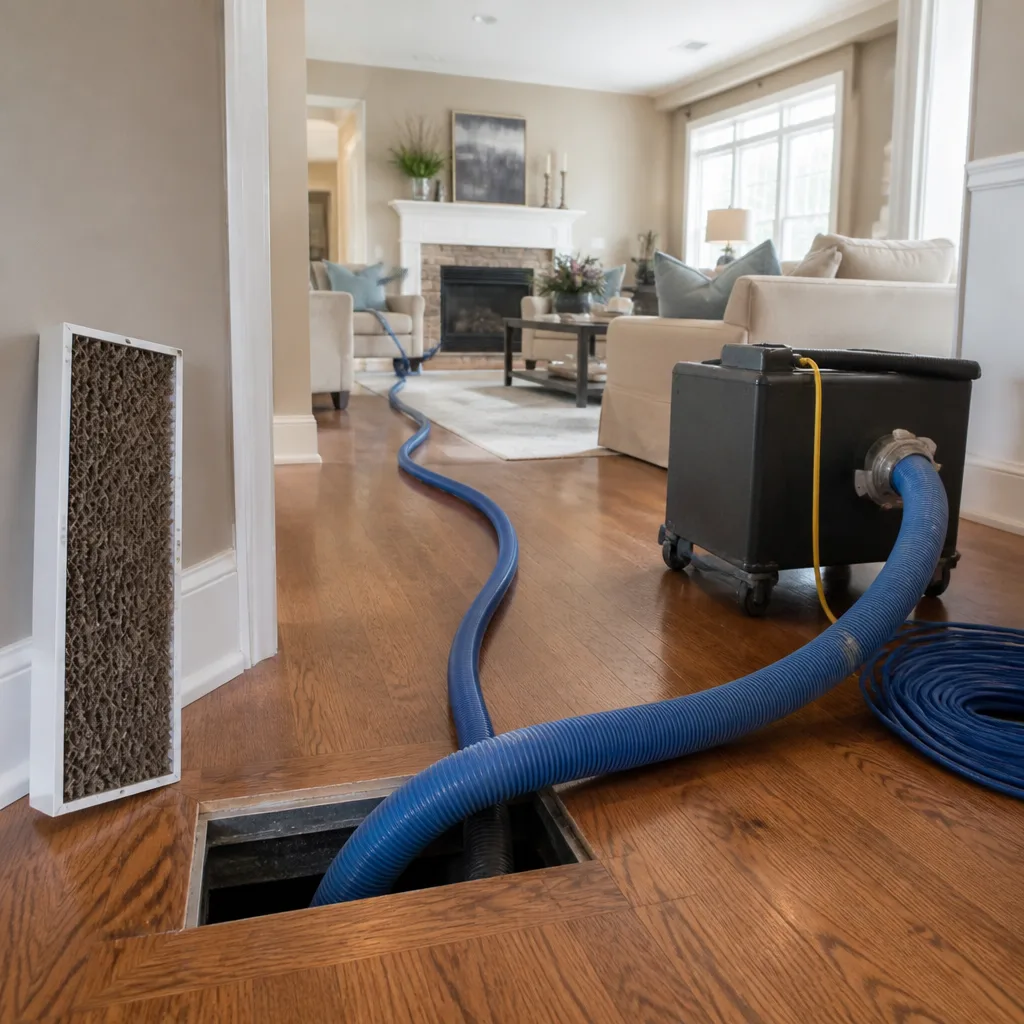
 Whole-home duct cleaning
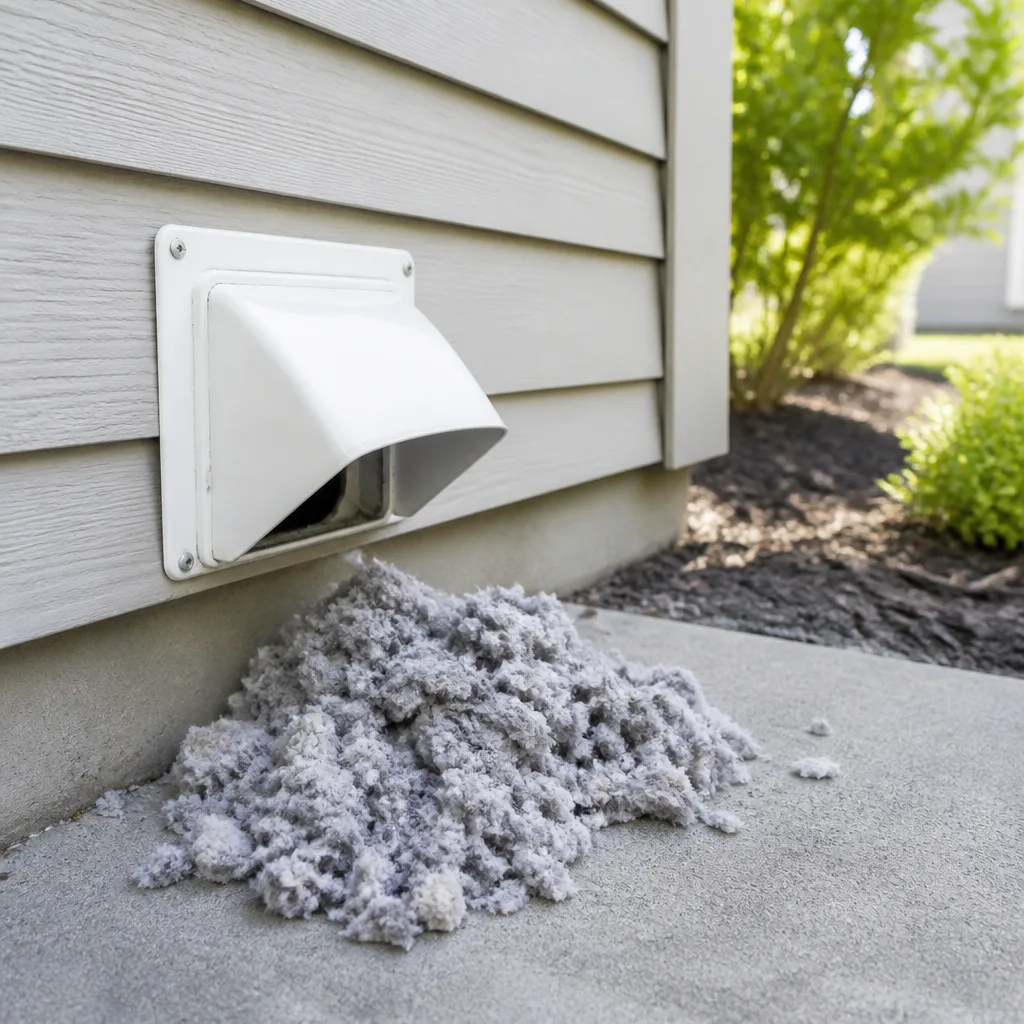 Dryer vent cleaning
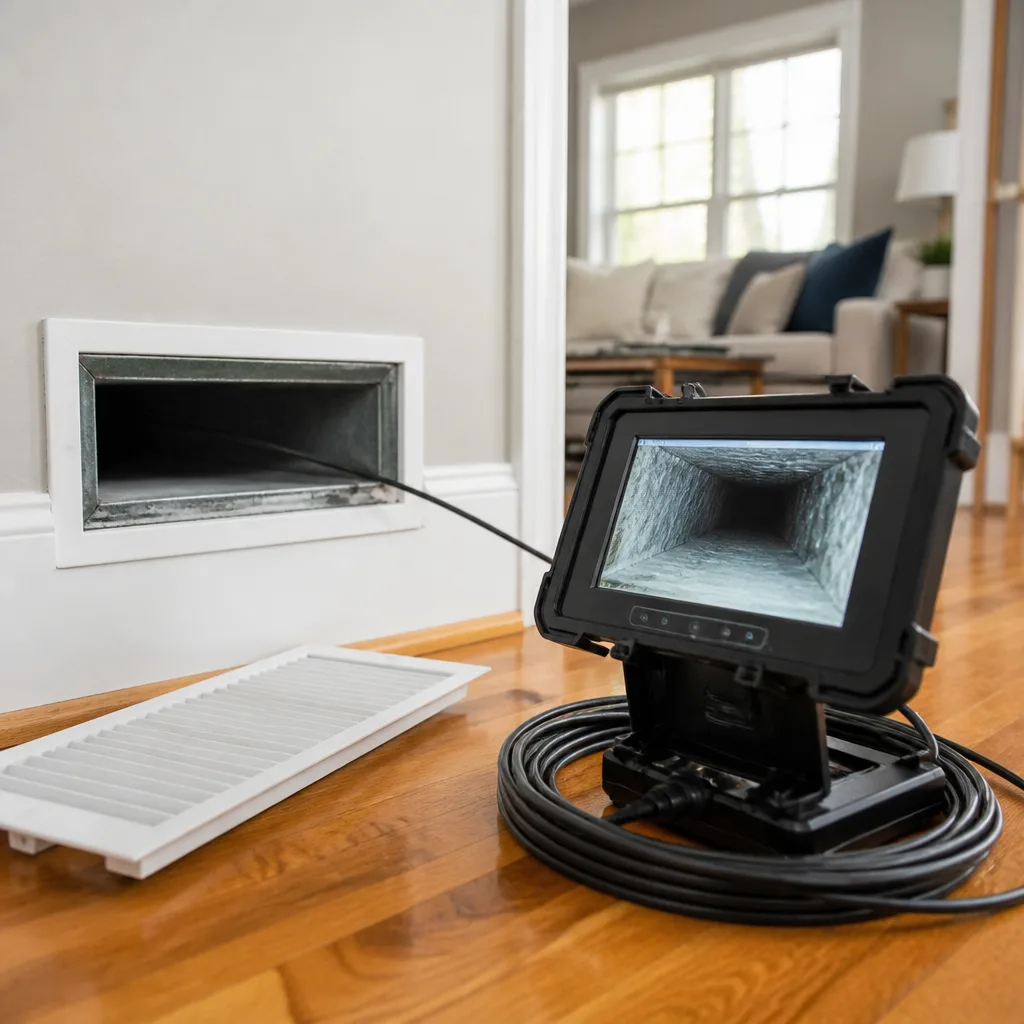 Camera inspection
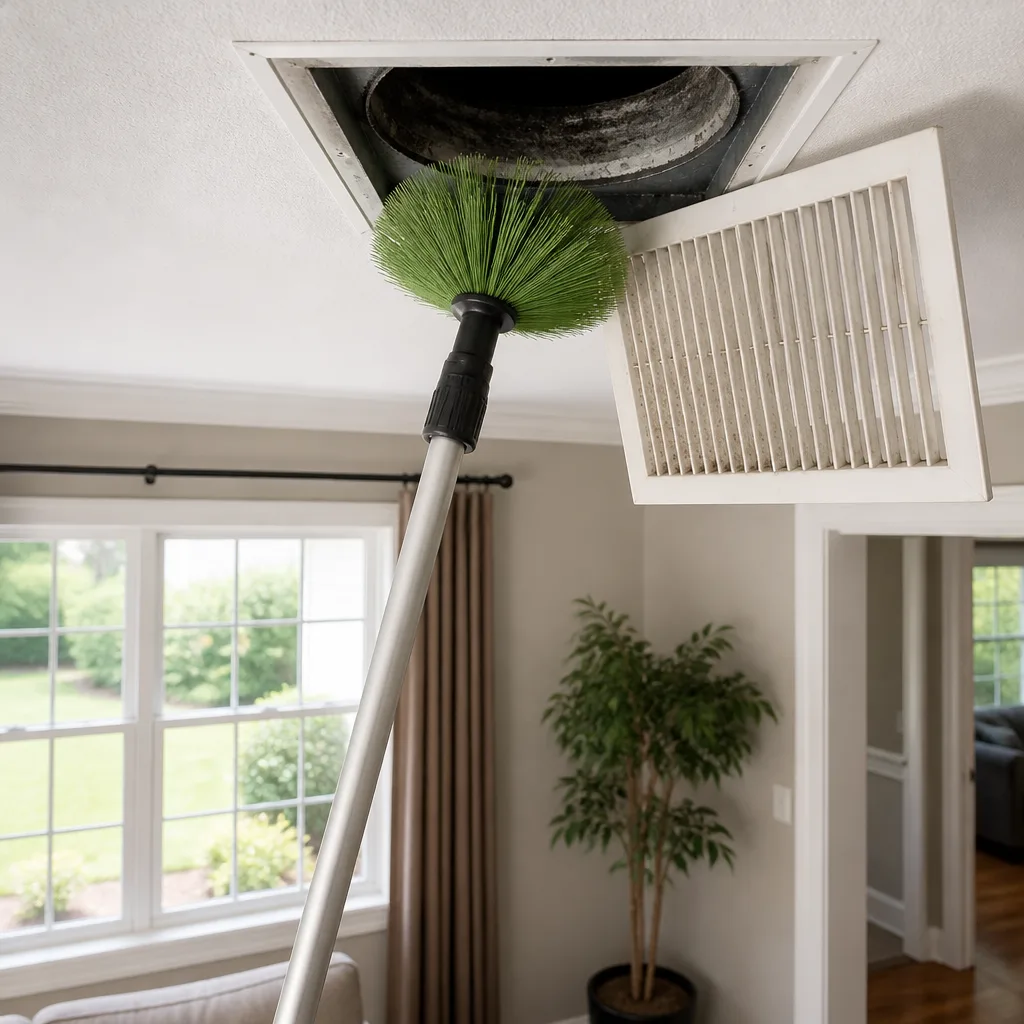 Sanitizing & deodorizing
Whole-system duct and dryer vent check with before-and-after photos - you see exactly what came out of your vents
That "$99 whole-house special" is a bait ad - the real number appears once they are in your hallway, or the "clean" is a shop-vac at the register. We photograph the inside of your ducts before and after instead.
Styles & brands we work with
- Whole-home duct cleaning
- Dryer vent cleaning
- Camera inspection
- Sanitizing & deodorizing
See the difference
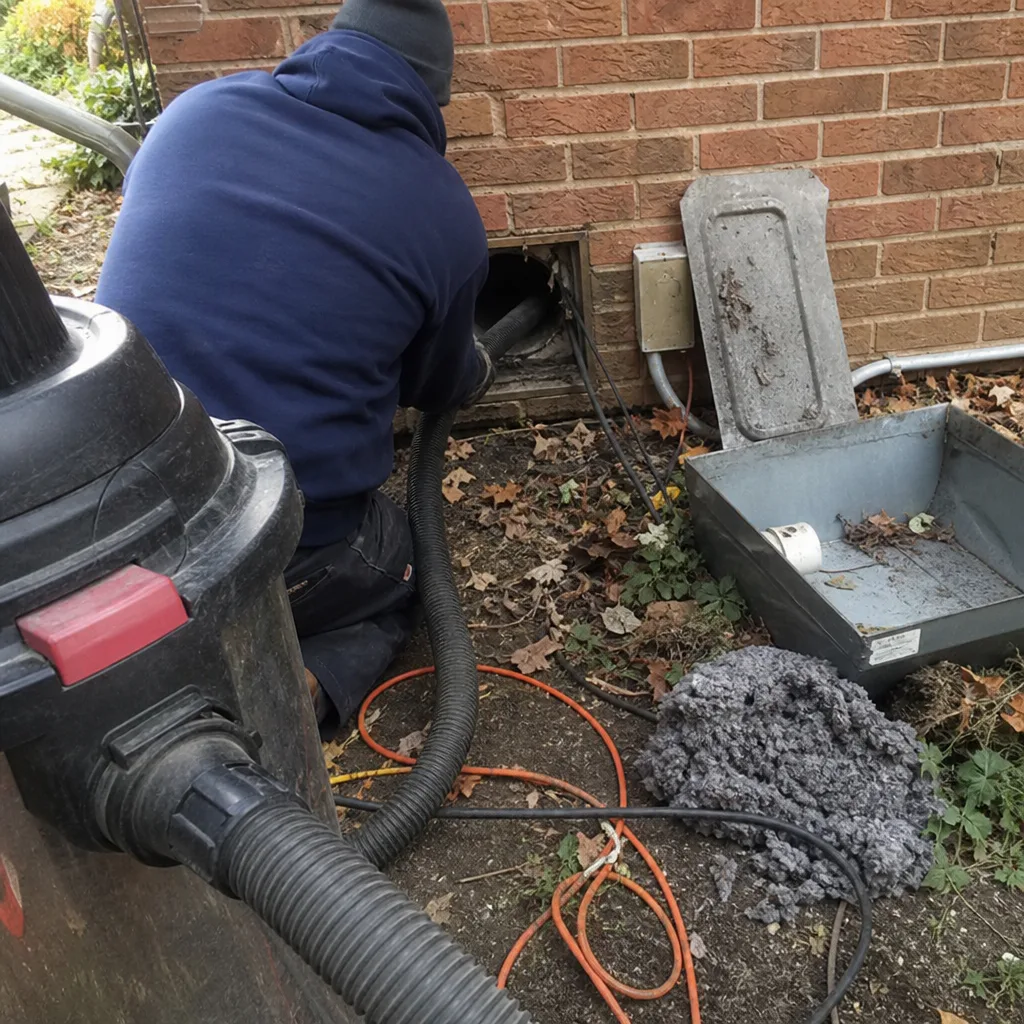 Before
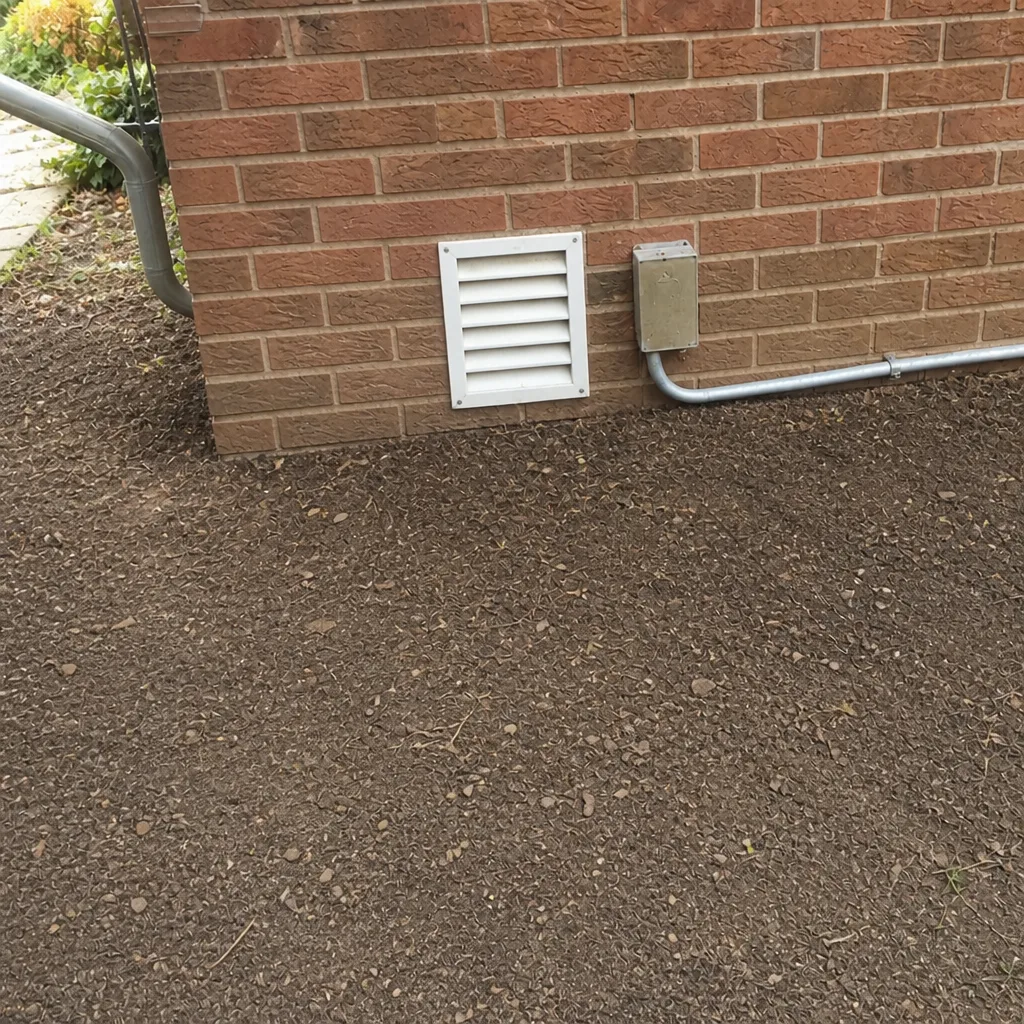 After
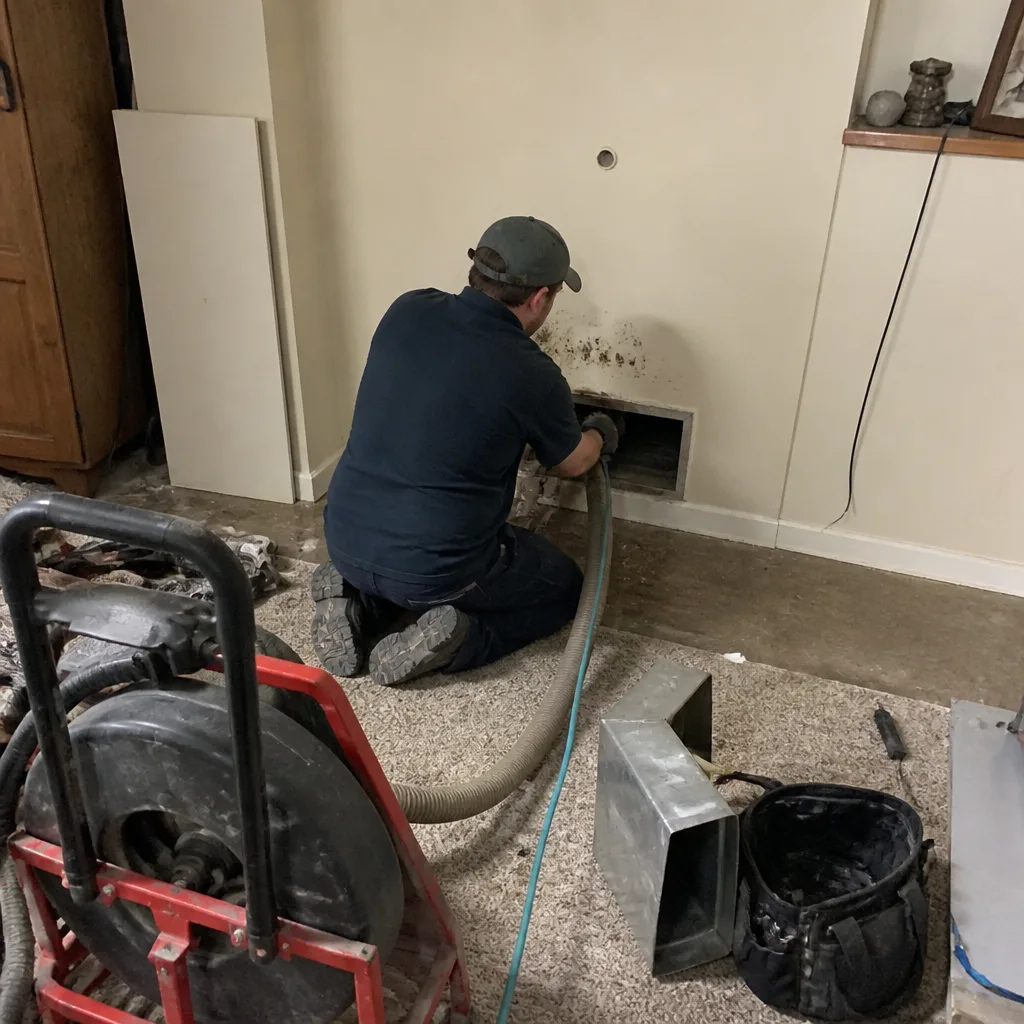 Before
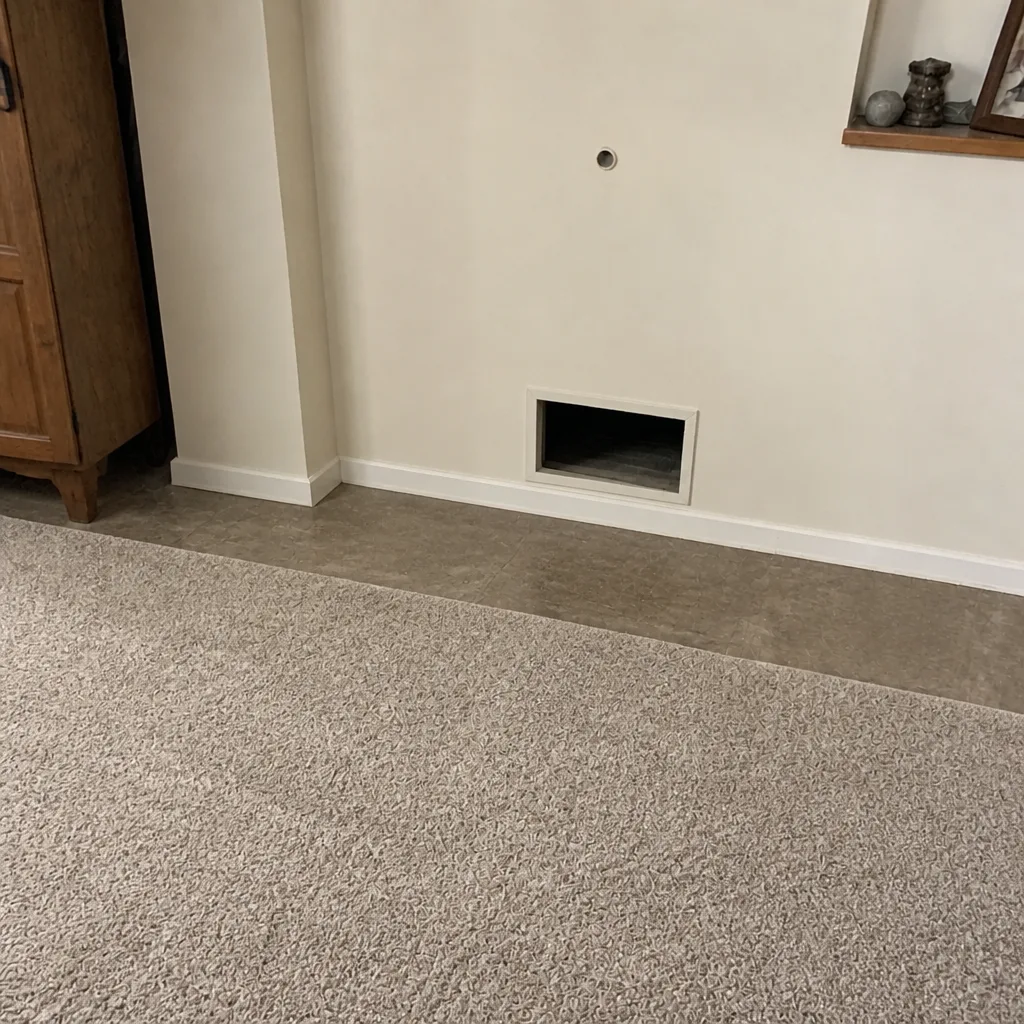 After
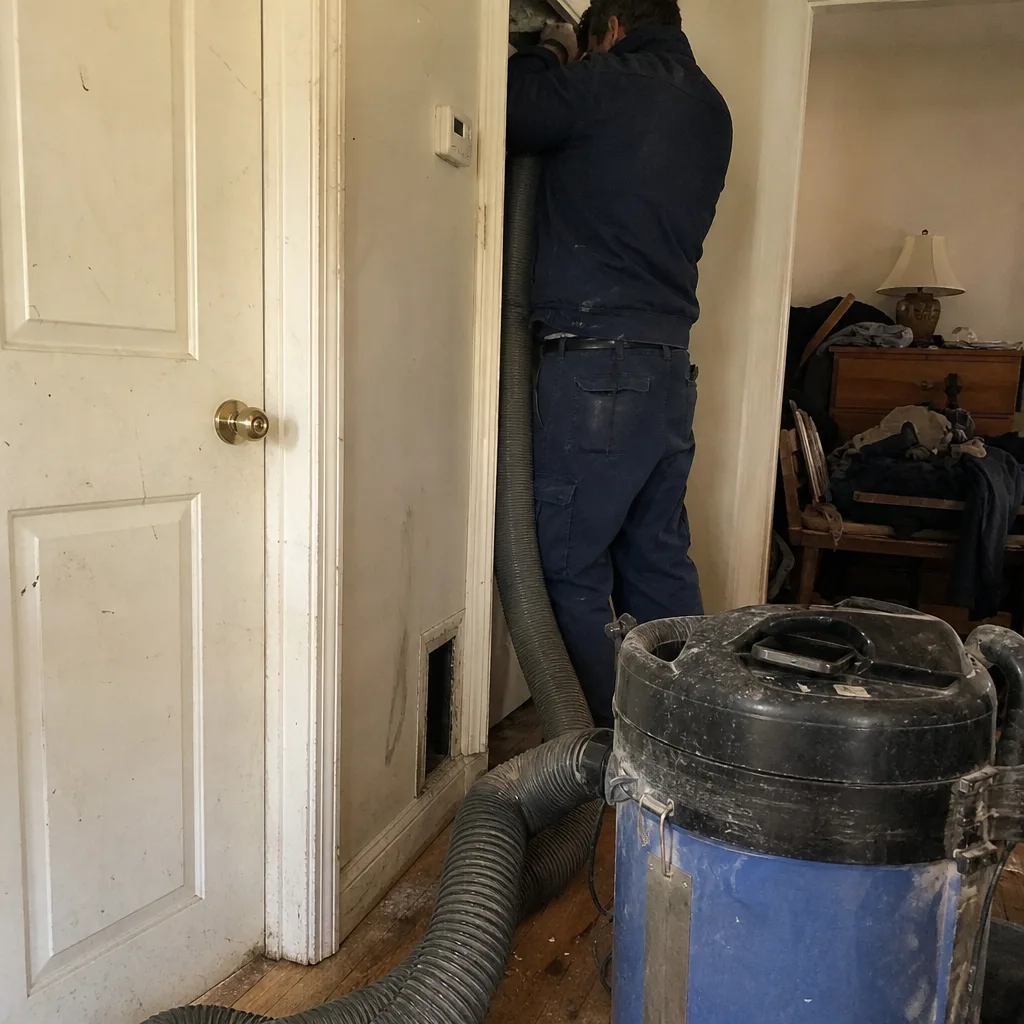 Before
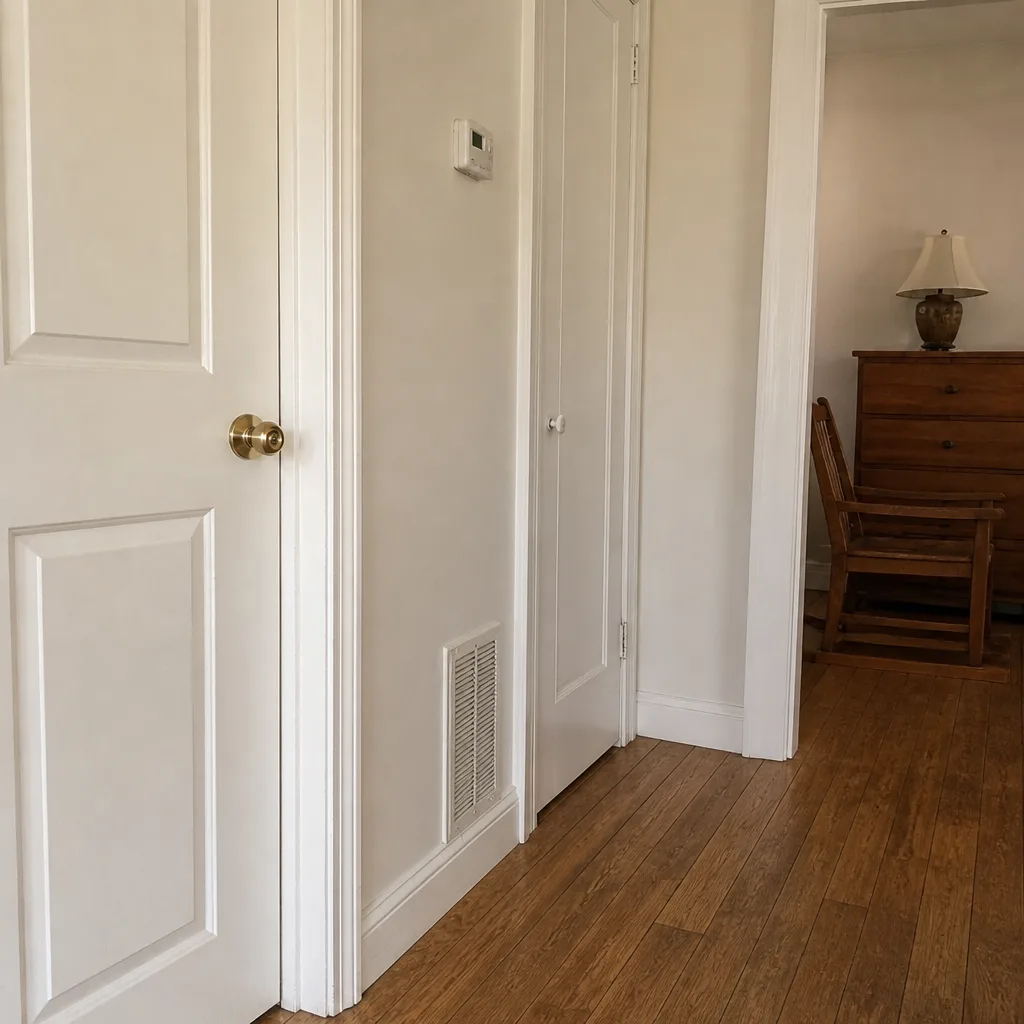 After
How Much Does Duct Repair & Sealing Cost in Louisville?
Duct repair and sealing in Louisville typically costs between $350 and $1,200 for most residential jobs, with small single-leak seals landing near $300-$450 and larger repairs, full-system sealing, or duct replacement for badly damaged runs climbing into the $1,500-$3,500 range. A technician inspecting the system sets the final price in a written estimate, and at Dayspring Air Duct Cleaning that inspection and estimate are free. Most homes we look at fall into the middle: one or two failed joints, a crushed flex run behind a knee wall, or a sealed-system tune-up after an HVAC replacement, and the typical bill lands between $500 and $900.
Louisville’s mix of housing stock drives that spread. A ranch built in the 1960s off Hikes Point has different ductwork than a new build out in Middletown or a century-old shotgun in Old Louisville, and the price follows the ducts, not the ZIP code. We answer the phone with our team, not a call center. Call (877) 517-3289 to schedule the inspection. We answer 24/7. Fast dispatch from 7am to 7pm, Sunday through Friday.
Key Takeaways
- Typical Louisville duct repair and sealing: $350-$1,200 for most jobs.
- Small isolated leak sealing: $200-$450.
- Whole-system sealing with mastic or aerosol: $850-$2,200.
- Replacing a damaged duct run: $300-$800 per run.
- The estimate is free and the price is set per job in writing before work starts.
Duct Repair & Sealing Cost Breakdown (2026)
Here’s how the line items break out for a typical Louisville home. These are ranges we see in the local market, not a quote. Every job gets its own written estimate after we’ve actually looked at the ducts, because a photo through a scope tells a different story than a homeowner’s description over the phone.
| Line Item | Typical Louisville Range | What It Covers |
|---|---|---|
| Full duct inspection (camera/scope) | $0 with our free estimate | Visual and scope inspection of accessible runs, joints, and the air handler closet |
| Sealing a few isolated leaks | $200-$450 | Mastic or foil-tape sealing at 2-5 failed joints or seams |
| Whole-system sealing (mastic method) | $850-$1,800 | Sealing every accessible joint, seam, and register boot in the system |
| Aerosol system sealing | $1,200-$2,200 | Pressurized sealant applied from inside the ductwork; reaches joints you can’t access by hand |
| Repair one damaged duct run (flex or sheet metal) | $300-$800 per run | Replacing crushed, torn, disconnected, or improperly routed duct |
| Rebuilding a disconnected trunk line | $450-$900 | Reconnecting and resealing a main trunk that has separated at a joint |
| Replacing crushed flex duct from the air handler | $250-$600 | New flex run from the plenum or air handler to the first takeoff |
| Register boot replacement | $150-$350 each | New boot and seal at the floor or wall register; common fix in older Louisville homes |
| Full duct replacement (single system in a typical home) | $2,200-$3,500 | Full removal and install of damaged runs and distribution system |
| Dryer vent repair and reseal (added to the same visit) | $150-$350 | Resealing, reconnecting, or replacing damaged dryer vent sections |
Most Louisville homeowners end up in the $500-$900 band. That’s a system with two or three real problems, often a disconnected trunk in the attic or a crushed run in a closet, plus a whole-system seal once the leaks are closed. The higher end comes in when the ducts themselves are badly damaged, which typically means a home that’s had water intrusion, pest activity in the attic, or a renovation where a contractor pushed ductwork out of the way and never put it back.
One thing worth flagging: duct cleaning and duct repair are not the same job and are quoted separately. If we open a system and find it clean inside but leaking at every joint, the bill is sealing. If we find the ducts coated in contaminated debris and the seams failing, the bill includes both, and we’d rather tell you that upfront than run a cleaning and leave the leaks for someone else. Our Dayspring Air Duct Cleaning team handles the whole scope in one visit.
What Affects Duct Repair & Sealing Pricing in Louisville
Two homes with the same square footage can get billed very differently. Our technician will walk through the real drivers before quoting, and we’d rather explain them than have you compare two prices that were never measuring the same thing.
- How much of the ductwork is accessible. Ducts in a Louisville ranch with an open attic are fast to reach. Ducts buried in a finished basement ceiling, behind hard plaster in a Highlands bungalow, or boxed into a soffit take more time and more cutting, and the price reflects that. This single factor swings quotes more than anything else.
- Duct material and age. Sheet metal lasts, but it separates at joints and the seams need resealing. Older flex duct cracks, collapses when contractors step on it, and sometimes wasn’t installed to spec to begin with. Homes built before the 1980s in Louisville’s older neighborhoods tend to have a higher share of seam failures.
- Basement moisture and humidity. Louisville’s summers are humid, and a damp basement or crawl space is hard on duct wrap and on the adhesive sealants that hold a system together. Walking into a system with failing outer wrap is a different quote than a dry, tight one.
- Number of zones or systems. A home with two HVAC systems gets two inspections and two sets of sealing work. Multi-zone homes in the East End often sit at the upper end of the range for that reason alone.
- Whether damaged duct runs have to be replaced vs. sealed. A crushed flex run behind a knee wall can’t be mastic-sealed back into shape. Replacing it adds $300-$800 per run on top of the sealing.
- What we find when we scope it. Pest evidence, disconnected trunk lines, a return that’s pulling attic air, or a register boot that was never sealed at the floor all turn up in older Louisville homes. None of these show up on a price list until someone looks.
How to Save on Duct Repair & Sealing
A few approaches genuinely lower the bill without cutting the work short.
- Combine duct cleaning and sealing in one visit. If you know you need both, doing them together means one setup, one scope inspection, and one trip. We’d rather knock both out while the equipment is already in your home.
- Fix the leaks before you replace the HVAC. A leaking duct system dumps conditioned air into the attic. If you’re planning a system replacement, sealing first means the new unit isn’t fighting a leaky distribution system from day one.
- Seal the accessible boots and boots first. Whole-system sealing gets the best performance, but if budget is tight, sealing the register boots and the trunk joints first delivers most of the immediate improvement for less money.
- Address the dryer vent while we’re there. A dryer vent seal is a small add-on when the crew is already set up. Clogged dryer vents are one of the leading causes of residential fires, so it’s a safety job that’s easy to bundle with the ductwork.
- Get a written estimate before any work starts. We give free estimates and set the price per job in writing. Call (877) 517-3289 to schedule one.
One thing that doesn’t save money: skipping the inspection and buying a roll of foil tape. Foil tape peels off within a season or two in a Louisville attic, and sealing a system that has a hidden disconnected trunk line just spends effort on the wrong joint. The inspection is free, so there’s no reason to guess.
What Does a Typical Duct Repair and Sealing Job Involve?
Every job starts with an inspection. We scope the accessible runs, look at the air handler closet, check the register boots, and photograph what we find. Then we sit with you and walk through it, showing what needs sealing, what needs repair, and what doesn’t. That last part matters. Not every system needs the same work.
For sealing, we use mastic and, where access is tight, aerosol sealing that reaches joints from inside the duct. For repairs we replace damaged sections, reconnect separated joints, and rebuild boots that were never properly sealed at install. Our crews run Rotobrush rotary contact cleaning equipment and Nikro HEPA negative-air machines, the same class of tools used in commercial indoor air quality work, so when a repair and cleaning happen together, the debris stays contained.
We also work with and around the equipment already in your home. If you have a Honeywell or Aprilaire filter setup, an Abatement Technologies air scrubber, or Guardsman-compatible hardware, we’re trained on those systems and know how to work without disturbing them. Most homes we open have already had a pro touch something in the system. We deal with that reality rather than pretending the house is empty.
Duct repair is not a job to attempt without the right tools, and I’ll say that plainly. Poking at a sealed trunk line in a tight attic space risks collapse, and crawling a humid Louisville attic in summer is a real safety hazard. A trained technician with scopes and containment equipment is worth the cost, and we’d rather tell you that than sell you a kit.
How Do You Compare Duct Repair Quotes in Louisville?
If you get three quotes, they should all be measuring the same thing. Ask each contractor for a written scope that lists every repair location, how they’ll seal (mastic, aerosol, or tape), and whether a post-work verification is included. A contractor who hands you a range without ever opening the system is guessing. A contractor who puts a photo and a specific joint count in front of you is doing the work the estimate requires.
Look for a provider that can both clean and repair. A cleaning-only company will report the leaks and hand you a referral. A repair-only contractor will fix the ducts but doesn’t necessarily clean or inspect them. Our Louisville team covers the full lifecycle, so nothing falls between two contractors.
Ask which equipment they use. If it’s a shop-vac and a roll of tape, that’s the bill you’re really getting.
What Our Customers Say
"Ran a negative air machine on the whole system rather than the shop vac on a stick that the cheap outfit down the road uses. Showed me the before and after photos from inside the trunk line and it was genuinely disgusting."
- Kurt Walsh"Quoted per system rather than the bait and switch per vent pricing everybody else in town uses. The number I was told on the phone was the number on the invoice."
- Nia Bryant"They photographed every return and supply before starting and sent me the file afterward. No upsell to a sanitizing treatment I didn't need."
- Erin Vaughn