
Last updated November 14, 2026
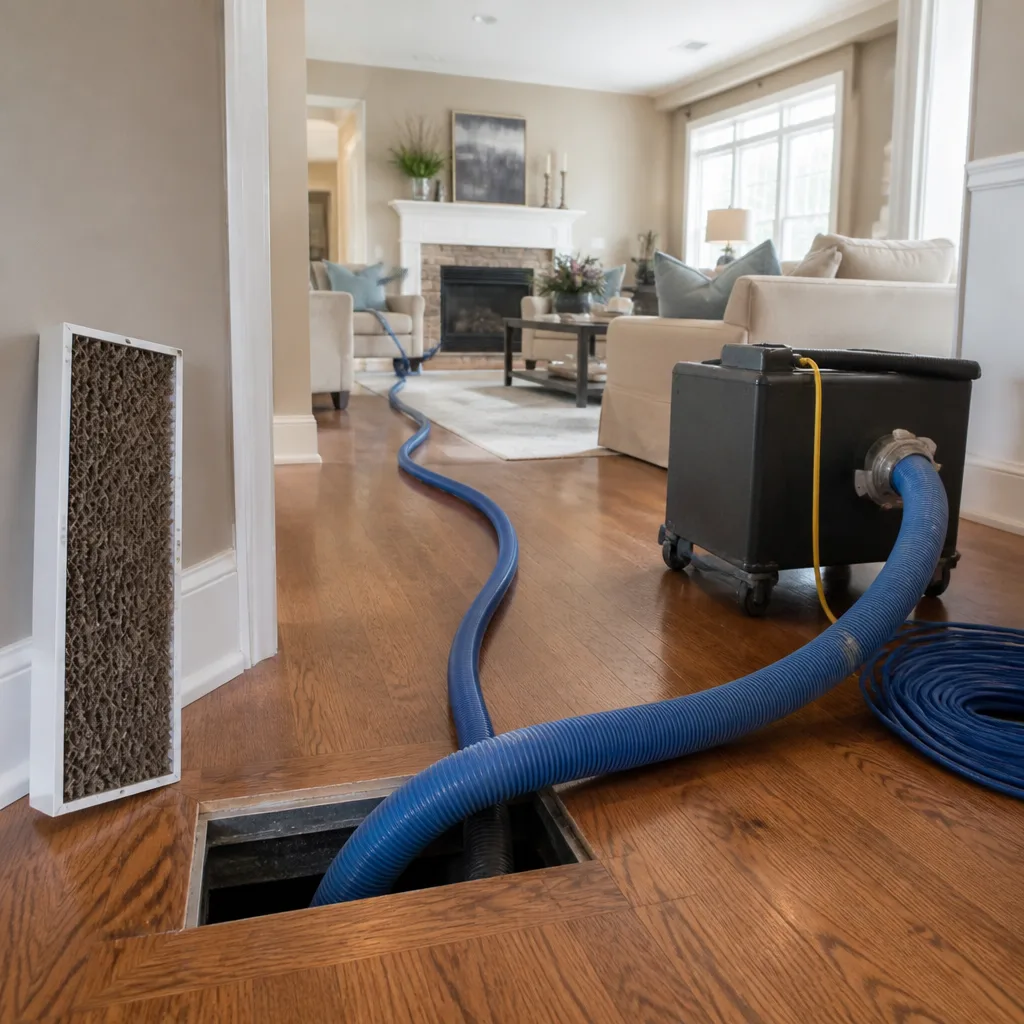 Whole-home duct cleaning
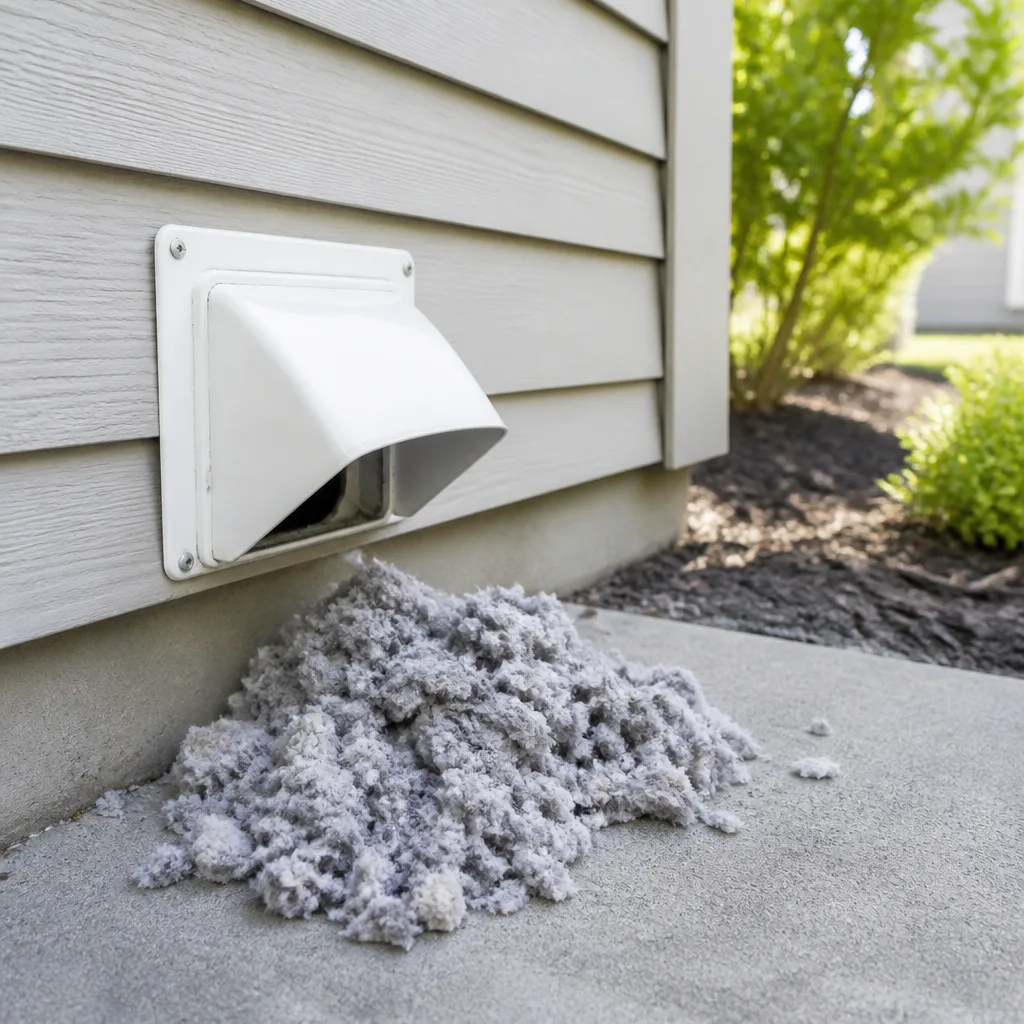 Dryer vent cleaning
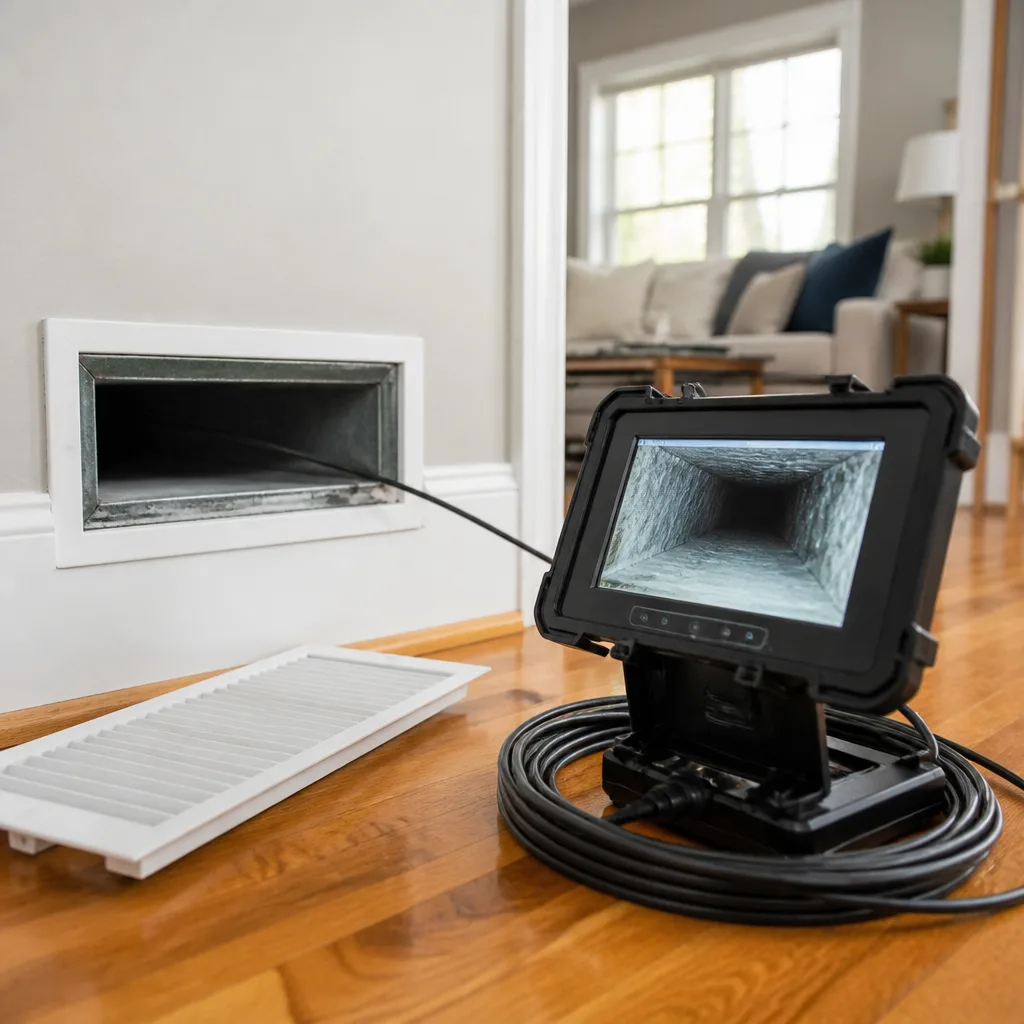 Camera inspection
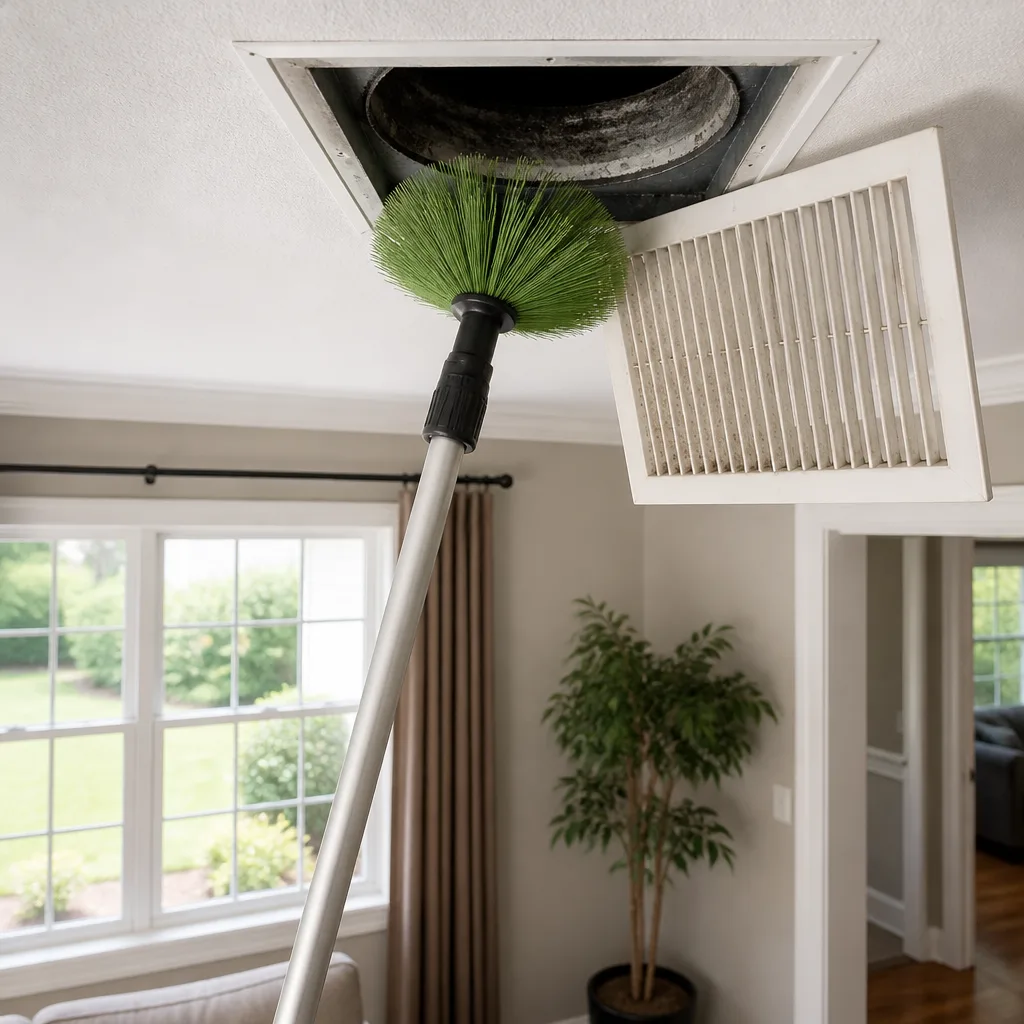 Sanitizing & deodorizing
Whole-system duct and dryer vent check with before-and-after photos - you see exactly what came out of your vents
That "$99 whole-house special" is a bait ad - the real number appears once they are in your hallway, or the "clean" is a shop-vac at the register. We photograph the inside of your ducts before and after instead.
Air Duct Cleaning Maintenance Schedule: What to Do and When
The EPA’s oft-cited “clean ducts as needed” guidance was written before microfiber furniture, high-shedding dog breeds, and open-concept renovations became the norm. A blanket “every three to five years” rule doesn’t account for the fact that a house with two shedding dogs and a recent kitchen remodel loads its ducts at a completely different rate than a childless couple in a low-pollen neighborhood. For homeowners in Louisville, the region’s long heating season and heavy spring tree pollen add two more variables most national guides ignore. This schedule is built around those real factors instead of a calendar. You’ll learn how to pick your tier, which windows of the year are the most productive for cleaning, and what to do between visits so the interval stretches as far as it legitimately can.
Quick Answer
Most Louisville homes fall into a three-to-five-year baseline for professional duct cleaning, but that baseline accelerates to every one to two years if you have multiple pets, recent renovation dust, or an older duct system with loose seams. Event-triggered cleanings sit outside the calendar entirely: after a renovation, after water intrusion, or after a pest problem inside the system. Between professional cleanings, upgrading your filter and wiping grilles monthly is what actually extends the interval.
Styles & brands we work with
- Whole-home duct cleaning
- Dryer vent cleaning
- Camera inspection
- Sanitizing & deodorizing
Table of Contents
- The Tiered Schedule Framework: Baseline, Accelerated, Event-Triggered
- Tier One: The Baseline Three-to-Five-Year Schedule
- Tier Two: The Accelerated One-to-Two-Year Schedule
- Tier Three: The Event-Triggered Cleaning
- Louisville Seasonal Windows: Post-Winter and Post-Spring
- What to Do Between Professional Cleanings
- Tracking Duct Condition With Register Dust
- Maintenance Cleaning vs. Remediation Cleaning
The Tiered Schedule Framework: Baseline, Accelerated, Event-Triggered
A schedule built on a single interval assumes every home is the same. They aren’t. What actually determines how fast a duct system loads up with dust, dander, and debris comes down to a handful of variables: how many pets shed indoors, whether the house has been renovated recently, the age and condition of the ductwork itself, and the seasonal load from the outside air your system pulls in.
We’ve seen the difference firsthand. Some Louisville homes go five years without needing attention because they run a good filter, keep the return grilles clear, and don’t have a shedding dog. Others need a visit every eighteen months because a golden retriever sleeps in the living room and the ducts have a handful of unsealed joints pulling attic air. Same house size, same neighborhood, very different schedule.
Here’s how to sort your own home into a tier.
- Baseline (three to five years): No pets or one low-shedding pet, no recent major renovation, ductwork under twenty years old, filter changed on schedule.
- Accelerated (one to two years): Two or more pets, a high-shedding breed, recent renovation, older flex duct, or visible dust on the supply registers within a few months of cleaning.
- Event-triggered (as needed, regardless of calendar): After a renovation that disturbed drywall or insulation, after water intrusion reached the system, after pest activity inside the ducts, or after a fire or smoke event in the home.
The tiers aren’t mutually exclusive. A home on the accelerated schedule still gets event-triggered cleanings when the events happen. The baseline home that suddenly renovates two rooms moves up a tier. The schedule adjusts with the house, not the other way around. When we visit a Louisville home for air duct cleaning, the first thing we do is look at the ducts to figure out which tier the house actually belongs in, based on what’s inside the system, not what the homeowner thought they needed.
Tier One: The Baseline Three-to-Five-Year Schedule
The baseline is where most Louisville homes sit. If you’ve never had your ducts cleaned and you’ve lived in the house for five years or more, you’re due for an inspection at minimum. Once cleaned, three to five years is a reasonable reset interval for a home with no pets, no recent renovation, and a duct system in decent shape.
The wider end of that range (closer to five years) belongs to homes with controlled dust and a good filter setup. The narrower end (closer to three years) belongs to homes with one pet, high foot traffic, or a system that serves a finished basement where the main trunk line runs. Those long horizontal runs collect more settled debris than vertical ones, and it’s the kind of buildup a homeowner won’t notice until the register dust starts showing up again.
What a baseline cleaning involves at our shop:
- Inspection first. We look inside the system with a camera before anything starts, so we know what we’re dealing with and you see it too.
- Rotary contact cleaning. Rotobrush rotary brushes agitate the buildup off the duct walls rather than just pulling air past it.
- HEPA negative-air extraction. Nikro negative-air machines pull the loosened material out of the closed system and trap it through HEPA filtration.
- Register and grille cleaning. The supply and return grilles get cleaned as part of the visit.
- Repair as needed. If we find separated seams, crushed flex duct, or disconnected boots during the job, we fix them. We’re one of the few providers that performs air duct repair alongside the cleaning, so you don’t have to book a second contractor.
That repair capability is what keeps the baseline honest. A cleaning on a system with bad seams is a temporary reset; a cleaning plus sealed seams is one that holds. The most productive interval extension we know of comes from getting the boot connections sealed so they stop pulling attic or crawlspace air into the supply side. A system that leaks less accumulates less.
Tier Two: The Accelerated One-to-Two-Year Schedule
If you’re running one or two years between cleanings, your house is telling you something. The most common reasons in Louisville:
- Multiple pets or a high-shedding breed. Dog and cat dander coats the inside of the duct walls and gets caught in the seams. It doesn’t settle the way dust does; it sticks, which means air moving past it doesn’t clear it out.
- Recent renovation dust. Drywall work, sanding, insulation replacement, and floor refinishing all push particulate into the returns. A renovation can pack in years of dust in a few weeks.
- Older duct systems. Ductwork with loose joints, aging sealant, or sagging flex lines pulls unconditioned air (and the dust in it) into the system continuously.
- Filtration that isn’t doing its job. A low-MERV filter in a home with pets lets the particulate that matters pass right through the return and settle in the ducts.
For homes in this tier, the interval matters less than the diagnosis. When we find a system that’s loading up faster than it should, we look for the reason before we recommend a shortened schedule. Crushed flex duct, disconnected boots, or an undersized return can make a system dirty itself out. Fix those, and the schedule extends. When the ducts are paired with a dryer vent cleaning visit, we can also flag lint accumulation in the dryer line, which is a separate fire-safety issue entirely, but worth handling in the same trip.
In our experience, once the air-side repairs are done, most accelerated homes can drop back toward a two-to-three-year cadence. They don’t have to live on a shortened schedule forever.
Tier Three: The Event-Triggered Cleaning
Some cleanings have nothing to do with the calendar. They happen because something changed inside the house, and the ducts need a reset because of it.
After a renovation. Any project that produced dust (drywall, tile, sanding, framing, demo) pulls particulate into the returns while the HVAC runs. Schedule a cleaning after the job wraps, once the debris is cleared and the space is dried in. If the crew covered the registers during the work, you may be able to defer, but a full-house renovation usually warrants a cleaning regardless.
After water intrusion. If water reached the duct system (flooded basement, roof leak running down a chase, overflow from an upstairs bathroom), get the system inspected and cleaned once the source is fixed. Wet duct liner or insulation inside the system can hold moisture and support biological growth. We don’t perform mold remediation, so if we find active growth during a Louisville visit, we’ll tell you plainly and put you in touch with someone qualified to handle it.
After pest activity. If rodents, squirrels, or birds have gotten into the ducts, cleaning alone isn’t enough. The entry point needs to be sealed, or the same problem returns within weeks. Our repair capability comes into play here; we can identify and correct the opening on the same visit as the cleaning.
After smoke or fire damage. Fire restoration contractors often clean the ducts, but ask for a separate cleaning. Smoke particles travel through the system and settle in ways that a standard restoration wipe-down won’t reach.
Event-triggered cleanings should happen as soon as practical after the event, not months later. The longer debris sits in the system and the more the HVAC cycles, the more stubborn the buildup gets.
Louisville Seasonal Windows: Post-Winter and Post-Spring
The calendar in Louisville isn’t a recommendation; it’s an observation about when the two most productive cleaning windows open. Cleaning between them is fine, but if you can pick a time, these are the two windows worth considering.
Post-winter, in the spring. The Louisville heating season runs long enough that most systems pull months of wood smoke, dust from heating vents, and indoor dander through the ducts before the thermostat switches over to AC. The first cooling cycle of the year is when the system moves a year’s worth of heating-season residue back into the living space. A cleaning in early spring, before the AC is running continuously, resets the system right when it matters.
Post-spring pollen, in early summer. Louisville’s tree pollen counts run high in the spring, usually peaking through April and May. A sealed duct system doesn’t pull outdoor pollen directly, but the outdoor air that enters through unsealed boots, return leaks, and door openings during pollen season settles in the system. Clean after the pollen load drops: late spring or early summer, once the trees have finished. This window is the second reset before the home closes up for the summer cooling season.
What about fall? Fall cleaning makes sense if you’re on the accelerated schedule or you have an event-triggered reason. But the schedule rests better on spring cleanings, because the spring reset addresses both winter heating residue and the pollen load coming in. Two cleanings a year isn’t necessary; one well-timed visit in the spring covers both problems.
The rest of the year, the filter change and register check do the work. Relying on the filter to extend the interval means relying on it to actually do its job, which is where most homes fall short. That’s the next section.
What to Do Between Professional Cleanings
The professional cleaning is one day every few years. The filter and the register habits run continuously, and they carry more of the schedule than most homeowners realize. Here’s what matters between visits:
- Change the filter at the interval the filter’s packaging specifies, not on a calendar. A high-MERV filter loads faster than a standard one; a high-shedding-dog home loads it faster still. Check monthly and change when the media looks loaded, not when you remember to.
- Pick the right filter for the system. Higher MERV isn’t automatically better. A filter more restrictive than the blower can handle starves airflow and creates its own problems. Ask the installer what the system was designed for, then stay on or below that.
- Wipe the grilles monthly. A quick microfiber wipe across the supply registers catches the dust that would otherwise settle into the duct. Wiping the grilles is a five-minute job per floor and it removes the visible signal before it becomes the leading indicator it’s meant to be.
- Keep the returns clear. Furniture, rugs, and shelving that sit over the return grilles choke the system and increase the load. A clear return is a cleaner duct.
- Seal the boot connections. The joints where boots meet the ductwork are the biggest single driver of how fast a system loads. Sealing those gaps (we do this as part of our repair work) is the single change that extends cleaning intervals most. The airflow stops leaking unconditioned air into the supply side.
If your system has a whole-home filter or a media cabinet from a brand like Aprilaire or Honeywell, those components need periodic replacement too. IAQ equipment manufacturers design these systems to be serviced on a timeline; staying on it makes every other part of the schedule easier.
Tracking Duct Condition With Register Dust
The best early indicator of a duct system that needs attention is sitting on your supply registers. Dust accumulation there, viewed over time, is more useful than waiting for symptoms like musty smell or visible return-grille debris.
Here’s a simple tracking method most Louisville homeowners can follow without any equipment:
- Take a photo of your supply returns once a month during heating season and once a month during cooling season.
- Note the visible dust on the louvers. A little is normal. A visible layer that builds within four to six weeks after wiping is a signal the duct is loading up internally.
- Check the return grille filter slot. If you have a filter grille, its loading speed is a direct read on how much particulate the returns are pulling in.
- Watch for changes around the house. A sudden increase in dust on horizontal surfaces in one room usually traces back to a supply boot or a loose fitting feeding that room.
- Log your last cleaning date and the tier you’re on, then compare the register dust against the tier. If a baseline home starts showing accelerated-tier dust, that’s the signal to book a visit sooner than the calendar planned.
Visible dust on registers within a few weeks of cleaning is the strongest signal we know of that the schedule needs to move up. The alternative (waiting for a musty smell or an HVAC problem) means cleaning 12 to 24 months later than the system actually needed.
Maintenance Cleaning vs. Remediation Cleaning
Not all cleanings are the same job, and knowing which one you’re booking keeps the cost expectation honest.
A maintenance cleaning is the routine reset on a system that’s in reasonable condition. Scope: inspection, rotary contact cleaning with Rotobrush equipment, HEPA negative-air extraction with Nikro machines, register and grille cleaning, and a look at the seams and boots. This is the one you book on the baseline or accelerated schedule. It keeps a healthy system healthy.
A remediation cleaning is a correction. It’s the job for a system with heavy contamination, pest debris, water intrusion history, or significant repair needs. Scope: everything in the maintenance cleaning plus more thorough agitation, longer extraction runs, targeted cleaning around problem areas, and repair work (seam sealing, flex duct replacement, boot repair). Remediation can also involve working with equipment from brands like Abatement Technologies when the home has a negative-air setup or a containment requirement already installed.
The cost difference follows the scope. A maintenance cleaning is a shorter, simpler visit. A remediation cleaning takes longer, often involves repairs, and commands a different price because the labor and the complexity are different. We never quote the same number for both jobs; the written estimate we provide after inspection reflects what the system actually needs. Before-and-after photos of your own ducts are part of the work, so you see what you paid for. The estimate is free, and the price is set per job after we’ve looked at the system.
The point of the tiered framework is that most homes stay in the maintenance lane. Remediation cleanings are common in Louisville’s older housing stock, where duct systems have been through decades of heat and settling, but they’re not the standard job.
Common Mistakes to Avoid
- Waiting for a smell before booking. A musty smell in a duct system usually means the problem has been building for years. Register dust is a much earlier signal, and in Louisville’s long heating season, dust shows up well before the smell does.
- Assuming a low-MERV filter is always cheaper. The lower the filter, the more particulate passes through and settles in the ducts. A slightly higher-MERV filter designed for your blower is a better long-term trade than a longer cleaning interval.
- Skipping the inspection. A cleaning without first looking inside the system is a blind job. You need to see what’s in the ducts before anyone tells you what the visit is worth.
- Booking a cleaning without checking repair capability. If the company can clean but not repair, you’ll be booking a second call five minutes after they find a disconnected boot. Ask upfront.
- Ignoring a loose boot because the air still runs. A disconnected or crimped boot is both a dust source and a comfort problem. Sealing it stops the leak that keeps the system loading.
- Running a cleaning right in the middle of pollen season. A Louisville cleaning timed to April or May resets the system right before the pollen load comes in. A cleaning two weeks after the trees finish holds longer.
- Measuring the schedule in calendar years instead of by the system. Three to five years is a starting point, not a rule. A house with two dogs and recent renovation sits inside the one-to-two-year tier, and treating it as a five-year job wastes the system.
See the difference
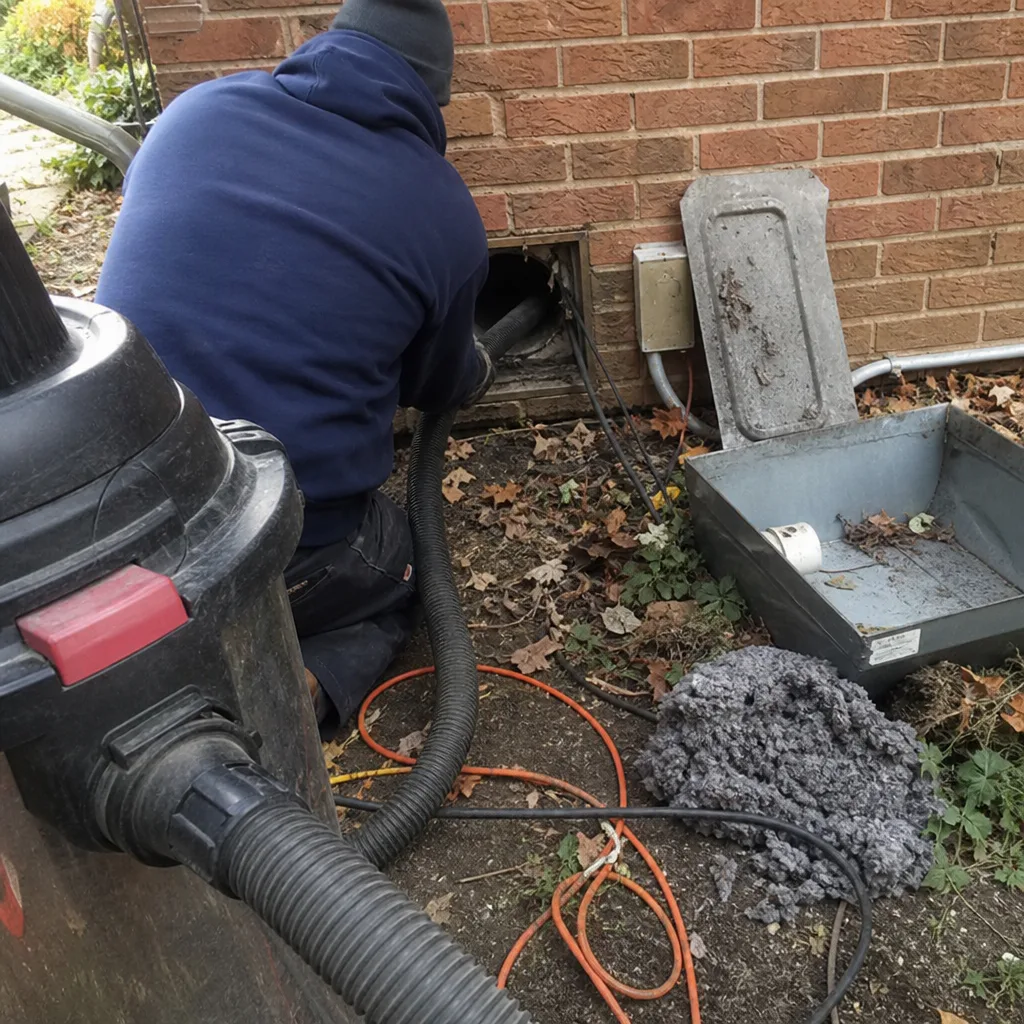 Before
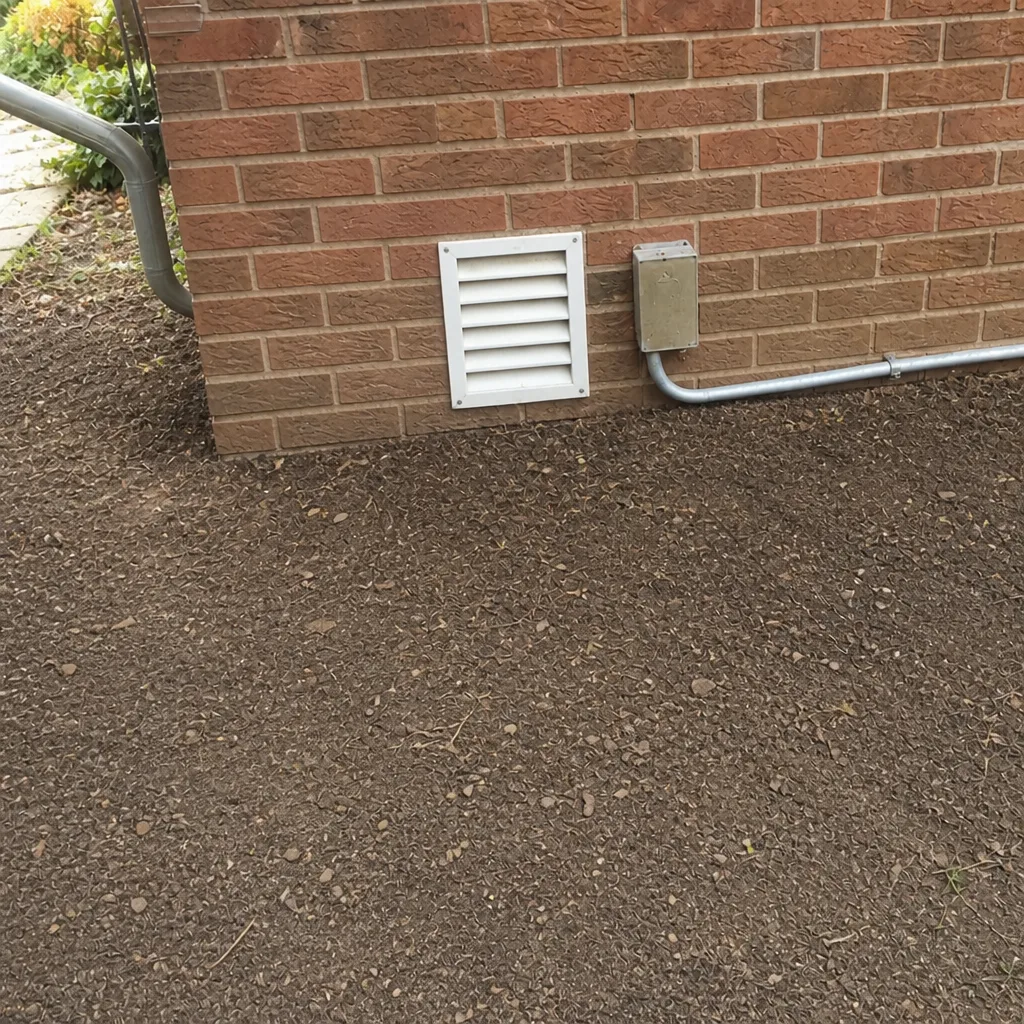 After
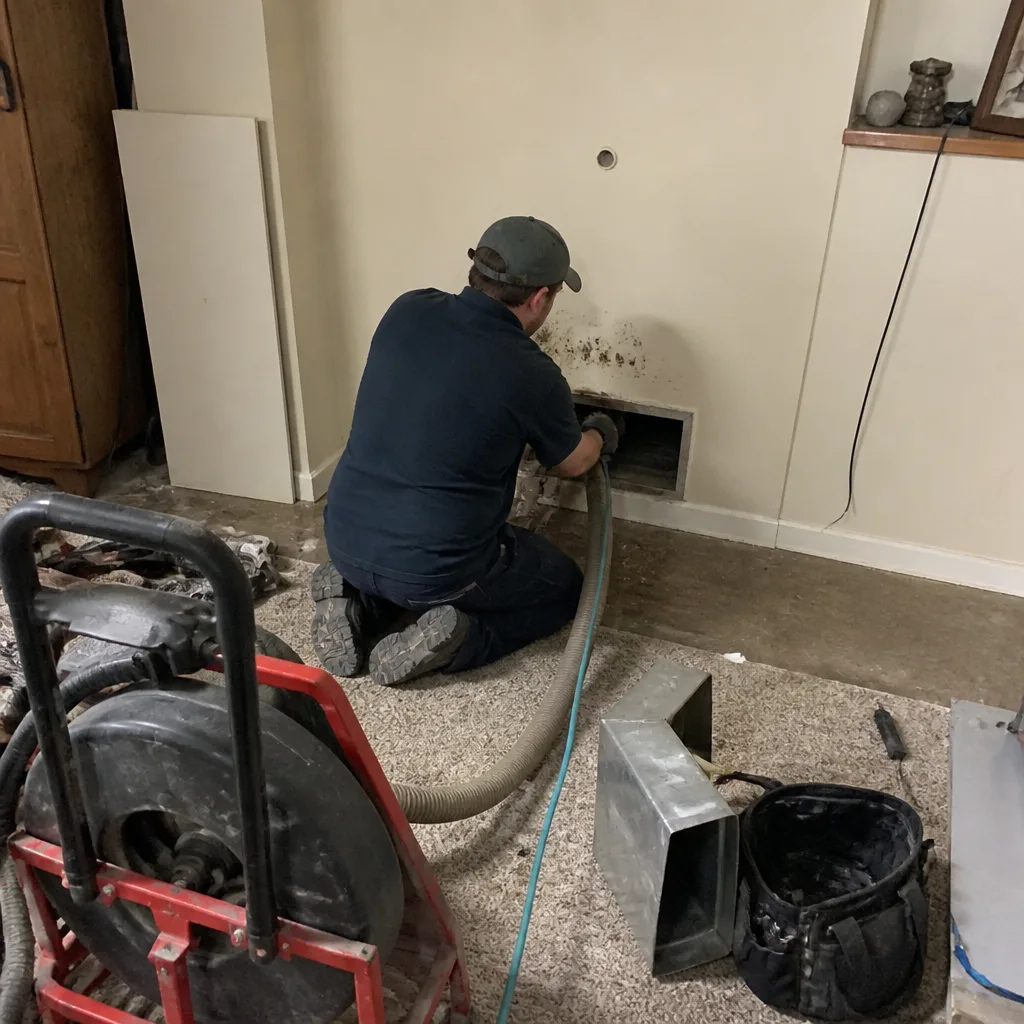 Before
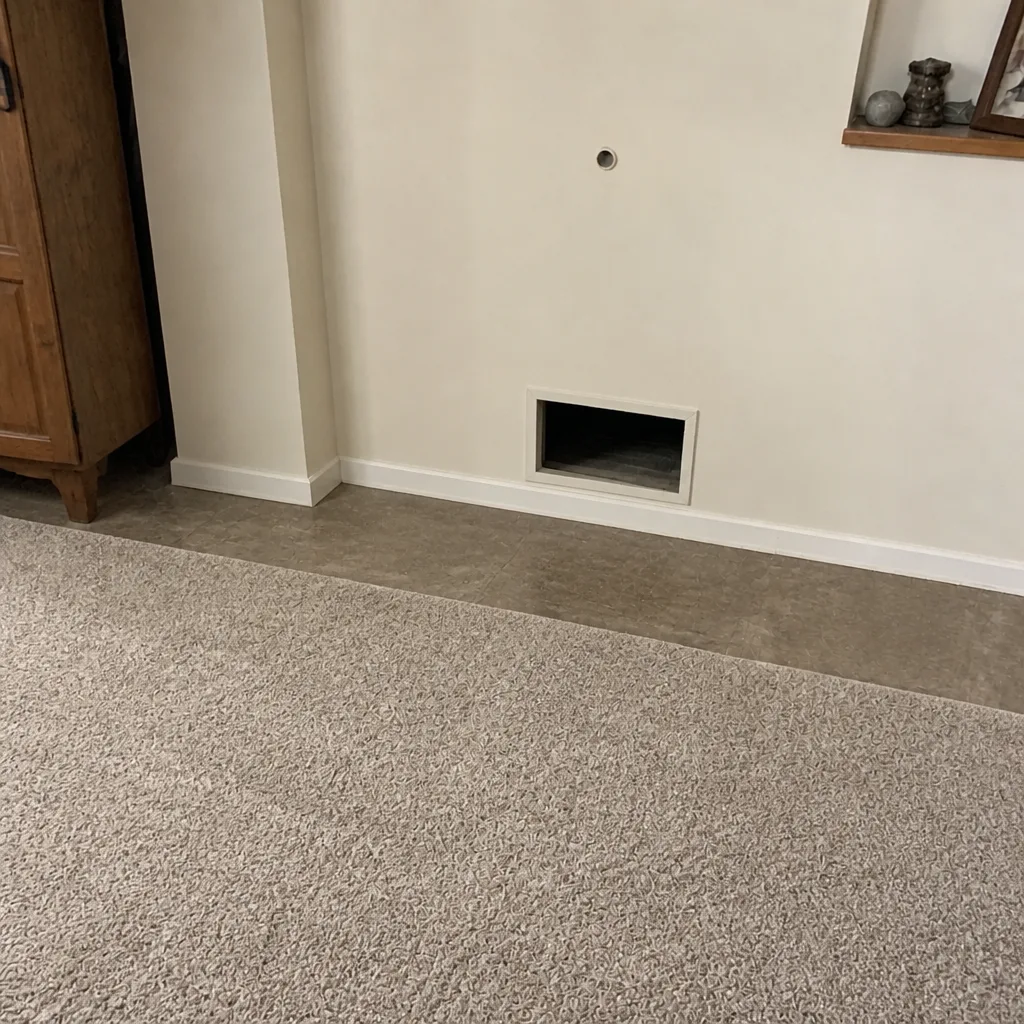 After
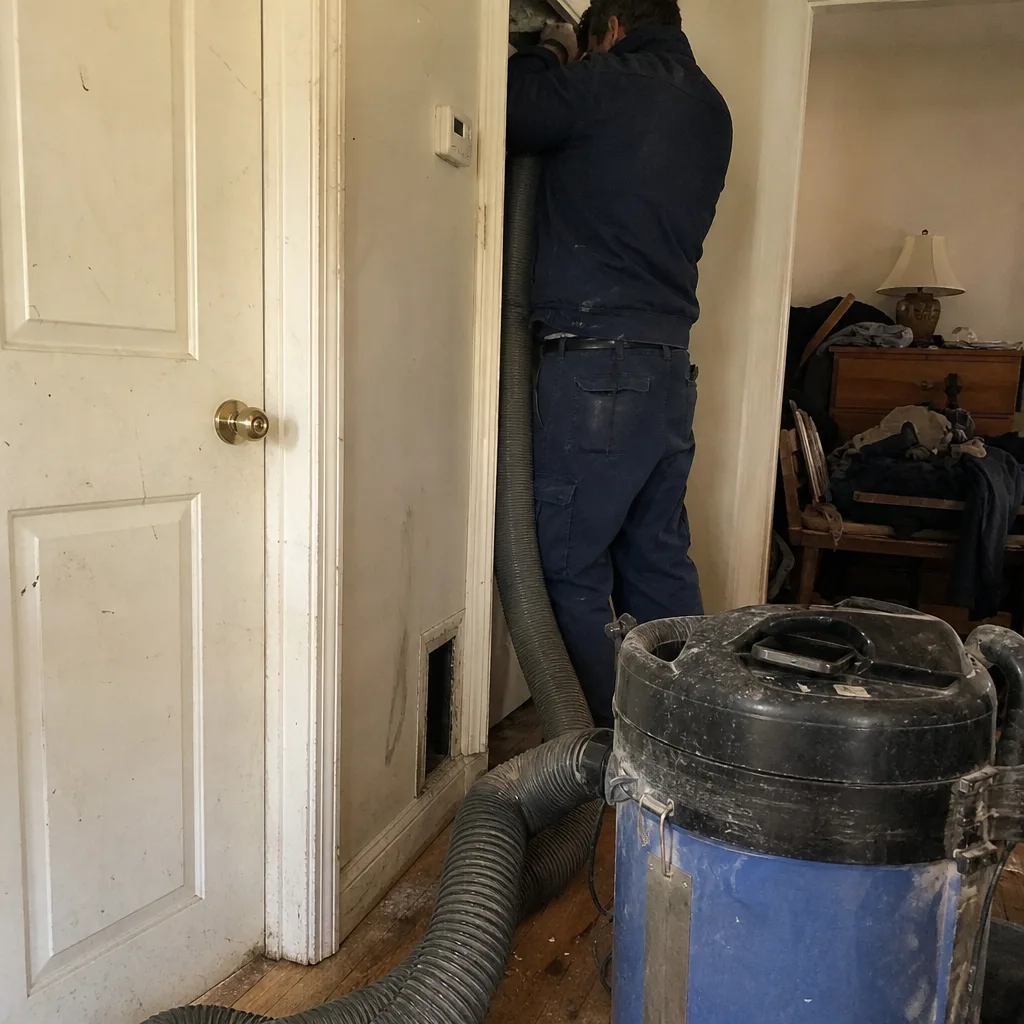 Before
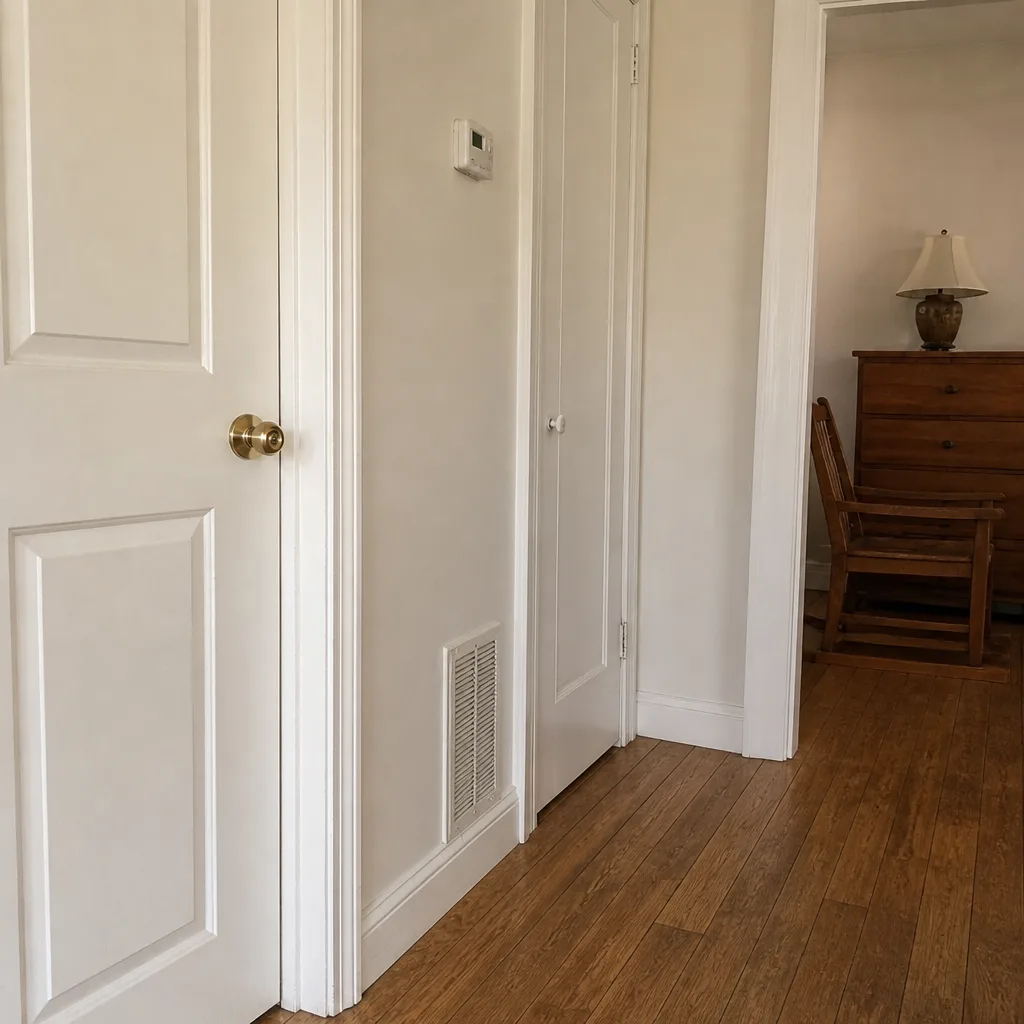 After
When to Call a Professional
Some situations are a professional job from the start. If you’ve just finished a renovation, if water reached the duct system, if you’ve heard scratching inside the returns, or if you’ve never had the ducts cleaned and the house is more than a decade old, that’s a paid visit, not a homeowner task. The same goes for a dryer vent that hasn’t been cleaned: lint accumulation is a fire-safety issue, and the inside of the vent line isn’t safe to clear without the right equipment. A system that’s pulling dust back into the rooms within a few weeks of a do-it-yourself register wipe is also overdue. Dayspring Air Duct Cleaning offers free estimates in Louisville. The visit starts with an inspection and before-and-after photos of your own system so you see what’s inside, and we fix what we find rather than simply report it. Call (877) 517-3289. We answer 24/7. Fast dispatch is available from 7am to 7pm, Sunday through Friday.
Frequently Asked Questions
Most Louisville homes need a professional air duct cleaning every three to five years if they have no pets, no recent renovation, and a clean filter habit. Homes with multiple pets, a high-shedding breed, older ductwork, or a recent renovation land on a one-to-two-year interval instead. If you’ve just had a renovation or water intrusion, book a cleaning regardless of the calendar. Call (877) 517-3289 for an exact quote after we inspect your system; estimates are free.
No. Annual cleaning is not the default, and a schedule that fast usually means the system has an underlying problem that should be fixed rather than cleaned annually. The exception is a home with continuous heavy contamination (multiple pets, ongoing renovation, or unresolved duct leaks), where an annual reset may be the honest recommendation until the source is corrected. The first step is finding out what’s loading the system, not assuming it needs a yearly visit. Call (877) 517-3289 to schedule an inspection.
Spring is the stronger window in Louisville for two reasons: it resets the system after the long heating season, and it lands before the region’s tree pollen load peaks. A late-spring or early-summer cleaning catches both the heating residue and the pollen that settled during the spring. Fall cleanings make sense for accelerated-tier or post-event cleanings, but a single well-timed spring visit covers more ground. Call (877) 517-3289 for an exact quote.
A maintenance cleaning resets a healthy system: inspection, rotary contact cleaning with Rotobrush equipment, HEPA negative-air extraction, and grille cleaning. A remediation cleaning is a correction, with longer extraction runs, more aggressive agitation, and repair work for systems with heavy contamination, pest debris, or water-damage history. The two jobs have different scopes and different prices. Call (877) 517-3289 to book an inspection and find out which one you need.
Visible dust on the supply registers within four to six weeks of wiping is the strongest early signal. That’s ahead of a musty smell, visible return-grille debris, or the symptoms most homeowners wait for. Track it with a monthly photo during heating and cooling season, compare it to your tier, and book when the register dust starts rebuilding faster than it used to. Call (877) 517-3289 for an exact quote.
Yes, in almost every case. Renovation dust (drywall, sanding, insulation) gets pulled into the returns while the HVAC runs, and it packs more contamination into the system in a few weeks than a typical home accumulates in a year or more. Schedule the cleaning after the active work wraps and the space is dried in. If the crew covered the registers during the work, the visit can wait, but confirm with an inspection. Call (877) 517-3289. We answer 24/7. Fast dispatch from 7am to 7pm, Sunday through Friday.
The Bottom Line
The industry default of every three to five years is a starting point, not a schedule. Your home’s actual cadence depends on pets, renovation history, duct age, and the seasonal load Louisville puts on the system. Sort your house into the baseline, accelerated, or event-triggered tier, time a cleaning to the spring reset window, and use the register-dust tracking method to spot when the interval needs to move up. Between visits, the filter, the grille wipes, and sealed boot connections do the work of extending your cleaning interval. Our Dayspring Air Duct Cleaning team starts every visit with an inspection so you can see the system before we touch it. Call (877) 517-3289 for a free estimate. We answer 24/7. Fast dispatch from 7am to 7pm, Sunday through Friday.
Written by the team at Dayspring Air Duct Cleaning, serving Louisville since 2013.