
Last updated November 14, 2026
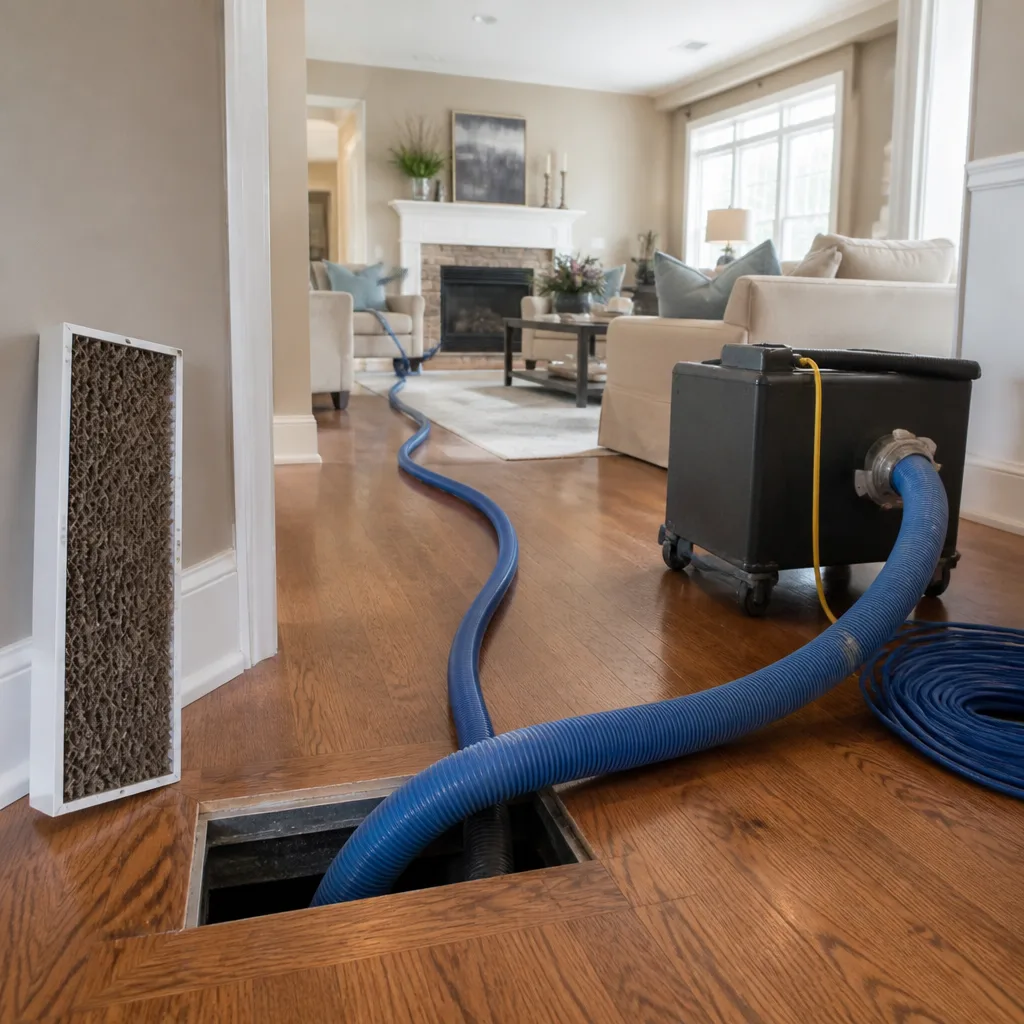 Whole-home duct cleaning
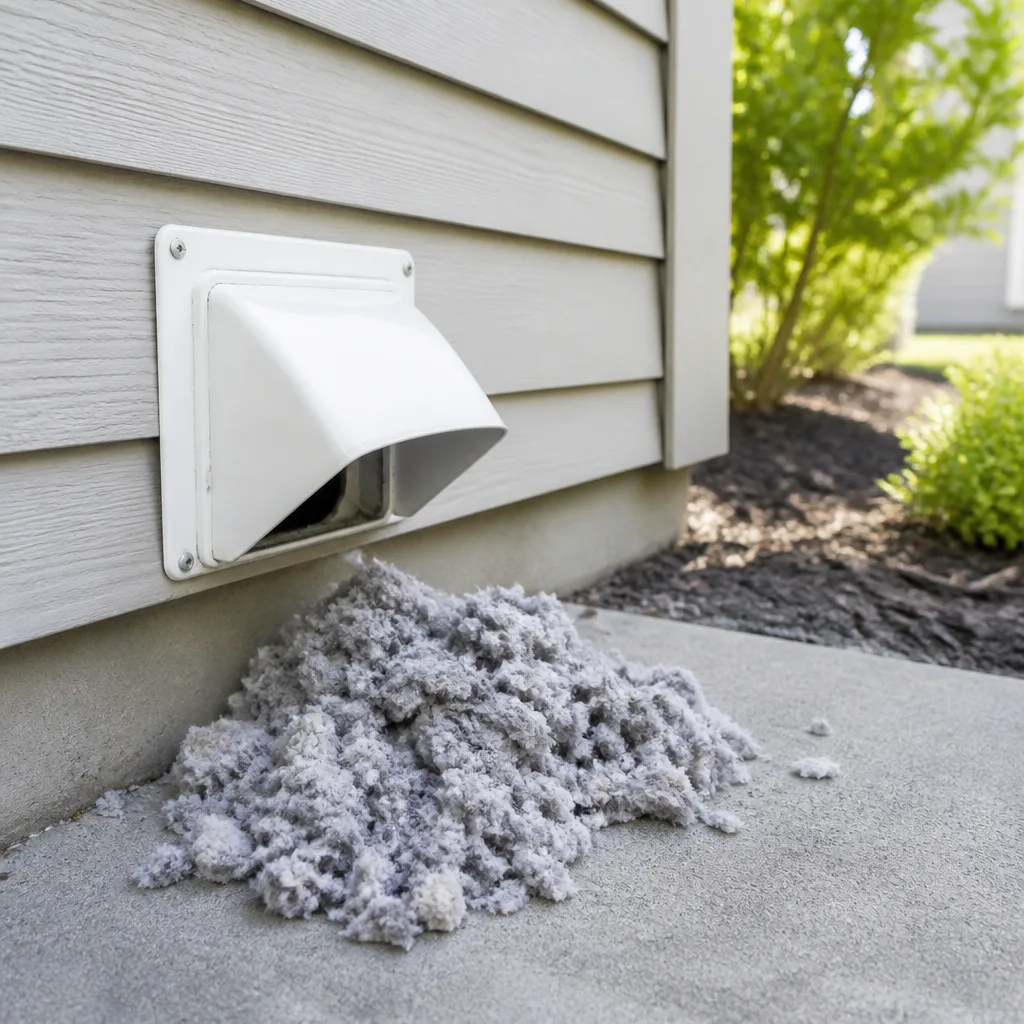 Dryer vent cleaning
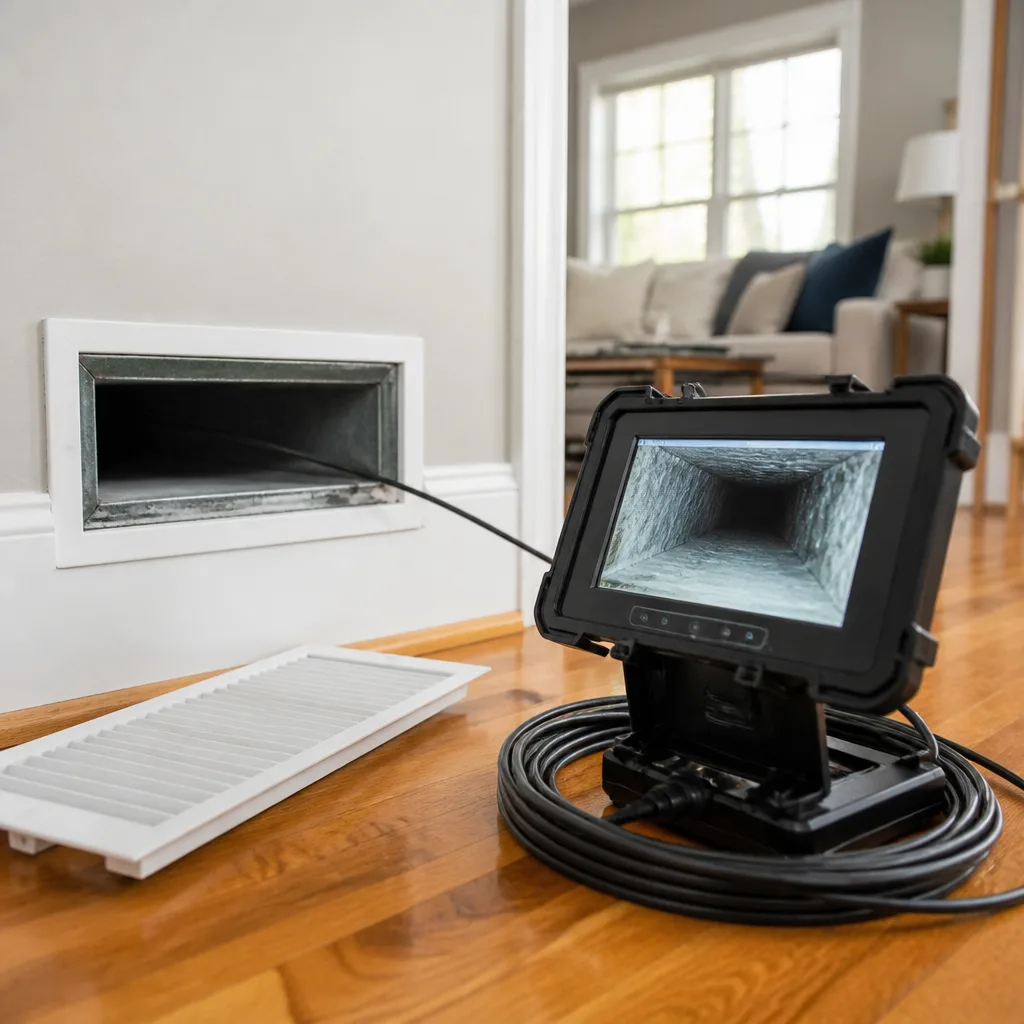 Camera inspection
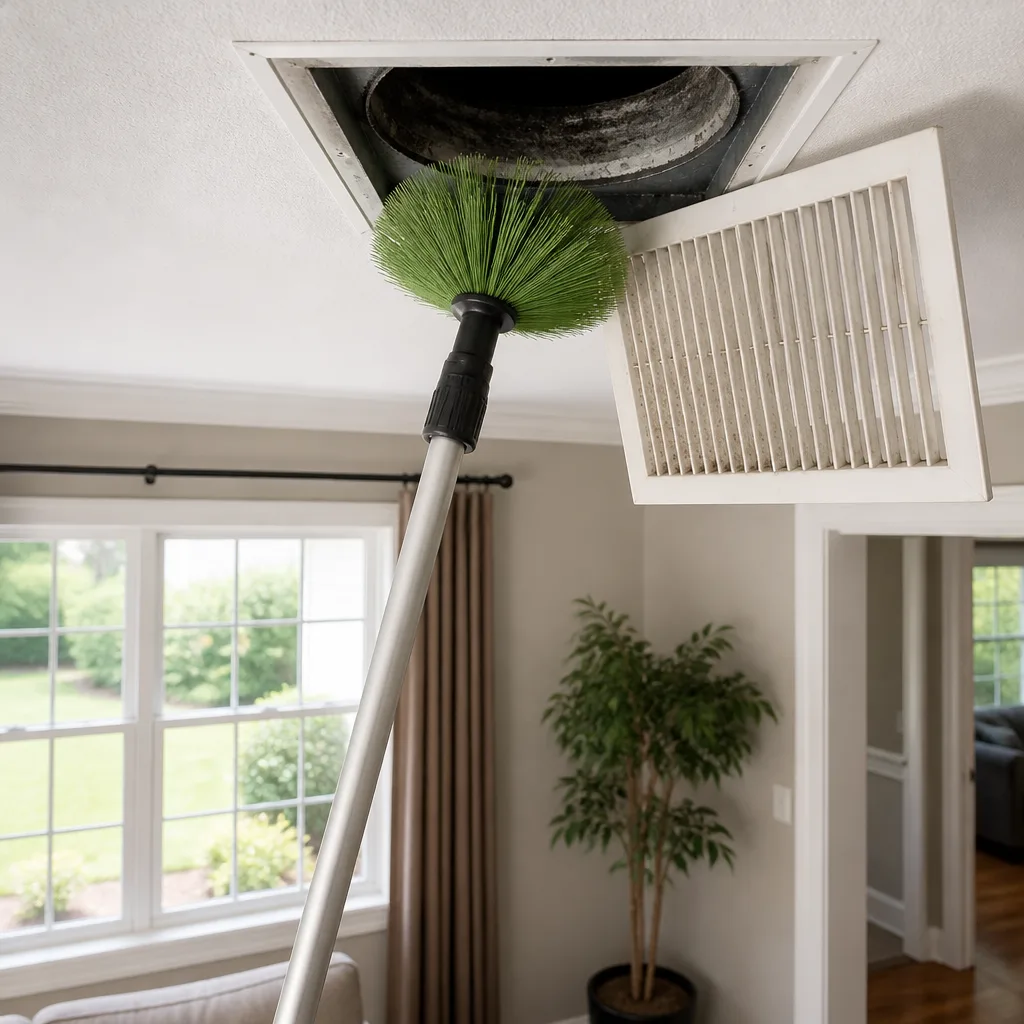 Sanitizing & deodorizing
Whole-system duct and dryer vent check with before-and-after photos - you see exactly what came out of your vents
That "$99 whole-house special" is a bait ad - the real number appears once they are in your hallway, or the "clean" is a shop-vac at the register. We photograph the inside of your ducts before and after instead.
Air Duct Cleaning Emergency Preparedness Guide for Louisville Homes
Most emergency prep guides tell you to stock water, charge your phone, and know where the shutoff valve is. Almost none of them mention the duct system. That’s a mistake in Louisville, where tornadoes, ice storms, and Ohio River flooding can each create a scenario that pushes debris, moisture, or smoke into the ducts within hours. After an ice storm bursts a pipe in a utility room next to the air handler, your ducts can start pulling water-contaminated air through the house before you see a single sign of mold. This guide walks through the specific storm and flood scenarios that put Louisville ductwork at risk, what to do in the first 48 hours, and how to document everything so your insurance claim holds up.
Quick Answer
After any Louisville flood, storm, or fire event that affects your HVAC system, shut the system off, document everything with photos and video before anyone touches it, and get a professional duct inspection within 48 hours. Cleanup that runs the HVAC through water- or debris-contaminated ductwork spreads contamination through the entire house. A qualified duct professional should inspect, photograph, take moisture readings, and only then clean or repair.
Styles & brands we work with
- Whole-home duct cleaning
- Dryer vent cleaning
- Camera inspection
- Sanitizing & deodorizing
Table of Contents
- Why Louisville’s Emergency Risk Profile Is Different
- The Three Emergency Scenarios That Contaminate Louisville Ducts
- What to Do in the First 48 Hours After a Water Event
- Louisville’s Flood Zone Geography and Duct Risk by Neighborhood
- What a Post-Storm Duct Inspection Should Document for Insurance
- How to Vet a Contractor for Post-Emergency Duct Work
- Preparing Your Duct System Before the Next Storm
- When Ducts Need Repair, Not Just Cleaning
Why Louisville’s Emergency Risk Profile Is Different
Louisville sits in a climate corridor that hands homeowners three very different emergency risks, and each one pushes contamination into the duct system in a different way. The region sees tornado activity along the Ohio Valley, ice storm events that can knock out power for days in winter, and flooding along the Ohio River and its tributaries. A guide written for Phoenix or Seattle won’t cover the way these three overlap here.
Here’s what we mean by overlap. A tornado doesn’t just tear off shingles. It drives roof debris, insulation fibers, and exterior dust into return grilles on the windward side of the house. An ice storm knocks out power, pipes freeze and split, and the water flows downhill to the lowest point in the mechanical space. Basement flooding around the Ohio River tributaries wets crawlspace ductwork that was never designed to handle standing moisture. In all three cases, the duct system becomes the pathway that spreads the problem from one room to the whole house.
There’s also a housing factor. Louisville has a large stock of older homes, many with basement or crawlspace mechanical areas and original galvanized duct trunks. That older ductwork collects debris over decades, and once moisture or smoke enters, it holds contamination far longer than modern sealed systems do. In our experience, a 1950s Louisville bungalow with a crawlspace air handler needs a different post-storm response than a new build with a conditioned mechanical closet. The reason is simple: the older system has more surface area for contamination to settle on, and its joints and seams are less tight.
This is why Dayspring Air Duct Cleaning treats post-emergency work as its own discipline, separate from routine air duct cleaning. The order of operations changes. Documentation comes before cleaning. Moisture readings come before camera footage. And the decision to run the HVAC at all gets made with the system’s condition in front of you, not over the phone.
The Three Emergency Scenarios That Contaminate Louisville Ducts
Three scenarios account for nearly all post-emergency duct calls we see in Louisville. Each requires a slightly different response, and each is easy to misjudge if you’re only thinking about visible damage.
Scenario 1: Tornado Debris Infiltration
A tornado passing near your home can damage return grilles, lift roof decking enough to open gaps into the attic duct runs, or simply blast exterior fiberglass insulation and dirt through weep holes and foundation vents. The visible roof damage gets the attention. The invisible problem is the fine debris that settles on top of duct interiors and gets pulled through the supply side every time the system runs.
- Check return grilles on the storm-facing side of the house first. Loose debris behind a grille is a sign the system pulled material in.
- Look for insulation fibers or grit on supply registers that weren’t there before.
- Don’t vacuum what you see at the grille. The contamination continues inside the trunk line, and cleaning only the visible surface pushes the rest deeper.
Scenario 2: Basement Flooding and Crawlspace Duct Wetting
When a sump pump fails or a tributary backs up, the water doesn’t stop at the basement slab. It wicks into duct insulation wraps, galvanized joints, and crawlspace flex duct. Once wet, duct board and fiberglass lining become a growing surface, and running the HVAC re-circulates that air through every room. This is the scenario most standard prep guides miss entirely.
Scenario 3: Fire and Smoke Events
Even a kitchen fire contained to one room sends soot into the return air path. Soot is acidic and clings to duct interiors, and the smell returns every time the fan kicks on. Fire and smoke duct work needs specialized extraction, not a household shop-vac. Our crews use a Nikro HEPA negative-air machine for this reason: the soot gets captured at the source, not pushed back into the room.
What to Do in the First 48 Hours After a Water Event
The first two days after a water event determine whether your ductwork is salvageable or needs full replacement. The single most important decision is whether to run the HVAC at all. If water has reached the air handler, the plenum, or any duct run, shut the system down at the thermostat and leave it off until a professional inspects it.
- Shut off the HVAC. Turn the thermostat to off, not just fan. If the air handler is in a flooded space, kill the breaker to the unit.
- Shut off the water source. Close the main valve if a pipe is the source, or turn off the sump circuit if the pump itself failed.
- Photograph everything before cleanup. Wide shots of the room, close-ups of the water line on the duct insulation, the air handler condition, and the thermostat reading. Time-stamped photos are what adjusters use.
- Document the sequence. Write down the time you noticed the water, the time you shut off the system, and every action you took. Insurance adjusters ask for this and most homeowners can’t reconstruct it later.
- Call your insurer and open the claim. Tell them the HVAC system may have been affected, and ask whether they want a duct inspection before any cleanup begins.
- Get a professional duct inspection. A qualified inspector should bring a moisture meter and a camera, document contamination scope, and give you a written condition report.
- Don’t run box fans pointed at ductwork. Air movement spreads spores. Evaporative drying of the room is fine; blowing air across wet duct surfaces is not.
When you’re talking to your insurance adjuster, the words that matter are “contamination scope” and “documented moisture readings.” An adjuster who hears “my ductwork got wet” may authorize a clean only. An adjuster who hears “the supply trunk has moisture readings of X percent and the insulation wrap is saturated,” backed by photos and a written report, is far more likely to authorize repair or replacement as needed. The report is the difference between a $300 claim and a full system claim.
Louisville’s Flood Zone Geography and Duct Risk by Neighborhood
Flood risk in Louisville isn’t evenly distributed. FEMA flood zone maps put parts of the metro in higher-risk zones, and those zones correlate directly with which crawlspace duct systems face repeated post-storm concern. Homeowners in the following areas should treat post-event duct inspections as a standing part of storm prep, not a one-time thing.
- Riverside and Portland: Proximity to the Ohio River means these neighborhoods see the highest flooding exposure and the most frequent basement and crawlspace water intrusion. Ductwork in these homes gets wet more often.
- Butchertown and Irish Hill: Low-lying spots near tributary drainage put crawlspace air handlers at risk during heavy summer storms, not just large flood events.
- Shawnee and Chickasaw: Older housing stock combined with stormwater runoff patterns makes standing water in basements more likely during Ohio River tributary backflow.
- Fern Creek, Jeffersontown, and Middletown: Further from the river but with more slab-on-grade construction, where water intrusion tends to affect the air handler closet rather than a crawlspace duct run.
- St. Matthews and Crescent Hill: Mature tree canopy means ice storm limb damage is more likely, and the resulting power outages lead to the frozen-pipe scenario that wets ductwork near the air handler.
If you’re in one of the higher-risk zones, ask your insurance agent whether your policy covers duct cleaning after a water event or only drying. Many policies in this region treat duct cleaning as a separate line item, and knowing that in advance changes how you document.
What a Post-Storm Duct Inspection Should Document for Insurance
An inspection that produces a written report with photographic evidence is what supports an insurance claim. An inspection that produces a verbal “yeah, they need cleaning” is not. Here’s what a proper post-storm inspection should capture before anyone cleans anything.
- Interior camera footage of every trunk line and major branch run, dated and labeled by location.
- Moisture readings taken with a calibrated meter at multiple points, including duct insulation wrap and the air handler plenum.
- Contamination scope described by extent (light surface soot, saturated insulation, heavy debris), not just by presence.
- Photographs of any visible water line on duct surfaces, and of the source area (the burst pipe, the flooded mechanical room, the storm-damaged grille).
- Written recommendation distinguishing between cleaning, repair, and replacement, with reasons for each call.
We’ve seen homeowners hand their adjuster nothing but the contractor’s invoice. That forces the adjuster to work backward from a price instead of forward from a condition report, and it’s the fastest way to get a partial approval. The documentation needs to happen before cleaning, not after. Once duct surfaces are cleaned, the evidence is gone.
How to Vet a Contractor for Post-Emergency Duct Work
Routine duct cleaning and post-emergency duct work are different jobs, and not every provider is set up for the second one. Here’s how to tell them apart before you hire.
Questions to Ask on the Phone
- Do you bring a moisture meter and a camera to the inspection?
- Can you document contamination scope in a written report for my insurance claim?
- Will you clean only, or can you also repair damaged duct sections you find?
- What extraction equipment do you use, and does it include HEPA negative-air capture?
- Do you have a written protocol for post-flood work that differs from routine cleaning?
- Are you willing to work directly with my public adjuster or insurer?
The right answers to those questions come from a provider who has done this many times. We use Rotobrush rotary contact-cleaning systems and Nikro HEPA negative-air extraction on post-emergency jobs because they capture contamination rather than redistributing it, and because the equipment handles saturated and heavily soiled duct runs that shop-vac setups can’t touch. We also repair what we find, not just report it. A contractor who only cleans is not the right call if the storm damage tore duct joints loose or wet a trunk line that now needs replacement.
If you’re not sure whether to bring in a public adjuster, ask your insurer first. Many adjusters will handle a straightforward duct cleaning claim directly, and some will want an independent estimate if the damage is more involved. Either way, the condition report from the inspection is the document that drives the whole process. Call (877) 517-3289 to schedule an inspection and we’ll walk you through what the report will include. For the broader service menu, visit Louisville.
Preparing Your Duct System Before the Next Storm
Some of what you can do ahead of the next storm is free, and some of it costs a repair call. All of it reduces the chance that a storm becomes a duct replacement job.
- Know where your HVAC breaker is. If a storm is coming and your air handler is in a basement or crawlspace, know the breaker location before you need it.
- Check your return grilles and supply registers annually. Loose seams and backed-out screws invite debris infiltration.
- Inspect your crawlspace and basement sump before storm season. A working pump is cheaper than wet ductwork.
- Seal obvious duct joints. Gaps at trunk connections are the entry point for post-storm contamination.
- Schedule routine cleaning before storm season, not after. A clean duct system has nowhere for storm debris to settle, and it makes post-storm documentation easier because the baseline is known.
- Keep a phone photo of your clean ducts. If a storm hits, having a “before” photo of what your system looked like supports the “after” claim.
If your home already has a Honeywell or Aprilaire filtration or air-quality unit tied into the duct system, have it inspected at the same time. Storm contamination can foul those components, and a post-emergency cleaning schedule that skips the filter housing leaves contaminants where they’ll flow back.
When Ducts Need Repair, Not Just Cleaning
Storm damage can leave a duct system cleanable or beyond it. The decision point usually comes after the inspection report lands. Repair becomes the right call when the duct surfaces themselves have failed, not just collected debris.
- Wet fiberglass insulation wrap or duct board that reads high on a moisture meter needs replacement. Drying it may stall mold growth for a while, but the material remains compromised.
- Separated trunk joints or crushed flex runs after storm debris impact need reconnection or replacement, not just cleaning. Cleaning a system that leaks loses efficiency on every cubic foot of air it moves.
- Soot-coated trunk interiors from a fire event often need cleaning plus sealant, not cleaning alone.
- Pest or storm-driven animal entry leaves contamination that only full cleaning with professional extraction will remove.
Repair is the differentiator here. Many duct cleaners will report what they find and hand you a phone number for another contractor. That’s a second visit, a second estimate, and two separate crews making two separate recommendations. We do inspection, cleaning, and repair under one roof, so the recommendation and the fix come from the same set of eyes.
If damage includes your dryer vent, add that to the same visit. Clogged dryer vents are one of the leading causes of residential fires, and a post-storm visit is often the practical moment to schedule dryer vent cleaning while the equipment is already on site. A Guardsman-compatible approach to multi-zone systems is standard for us because the same standards that protect managed properties also protect a single-family home.
Common Mistakes to Avoid
- Running the HVAC after a water event. If the ducts got wet, running the system circulates contaminated air into every room and gives mold a foothold on surfaces that would otherwise be fine. Shut it off first.
- Starting cleanup before you document. Once a flooded basement gets wet-vacuumed and the duct surfaces get wiped, you lose the visual evidence your insurance claim needs. Photograph first, clean second.
- Hiring on price alone after a storm. Storm season brings out-of-town contractors and price-based pitches. The right question is whether they carry the equipment and documentation practices a post-emergency job requires, not whether they’re the cheapest.
- Skipping the moisture reading. A duct system that looks dry on the surface can hold moisture in its insulation wrap for weeks. Ask for meter readings in writing.
- Cleaning only the visible grilles. Storm debris settles in the trunk line, not at the register. A grille wipe-downs leaves most of the contamination untouched.
- Overlooking the dryer vent and IAQ equipment. Post-storm inspection should cover the dryer vent and any Honeywell or Aprilaire components tied into the system, not just the main duct runs.
- Waiting weeks to call. The 48-hour window matters most for water intrusion. Beyond that, contamination spreads and the repair scope grows.
See the difference
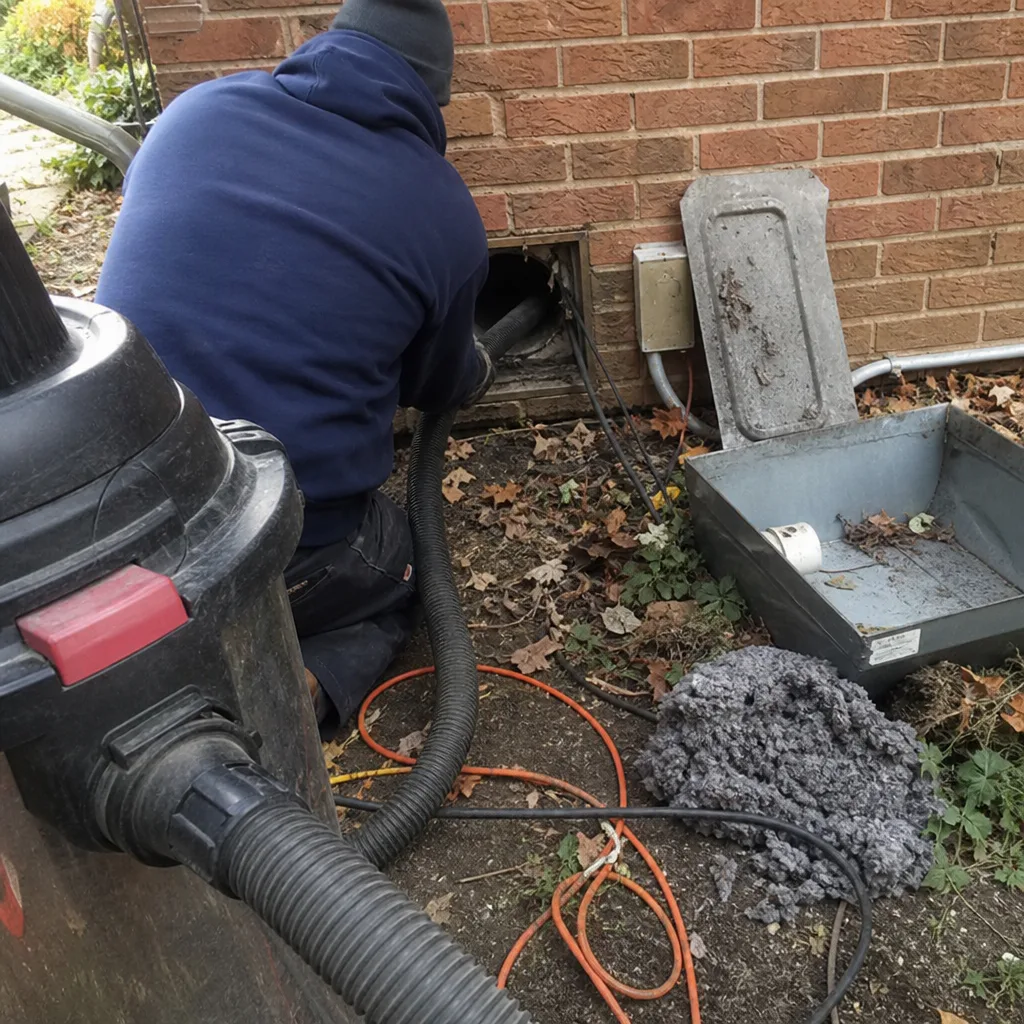 Before
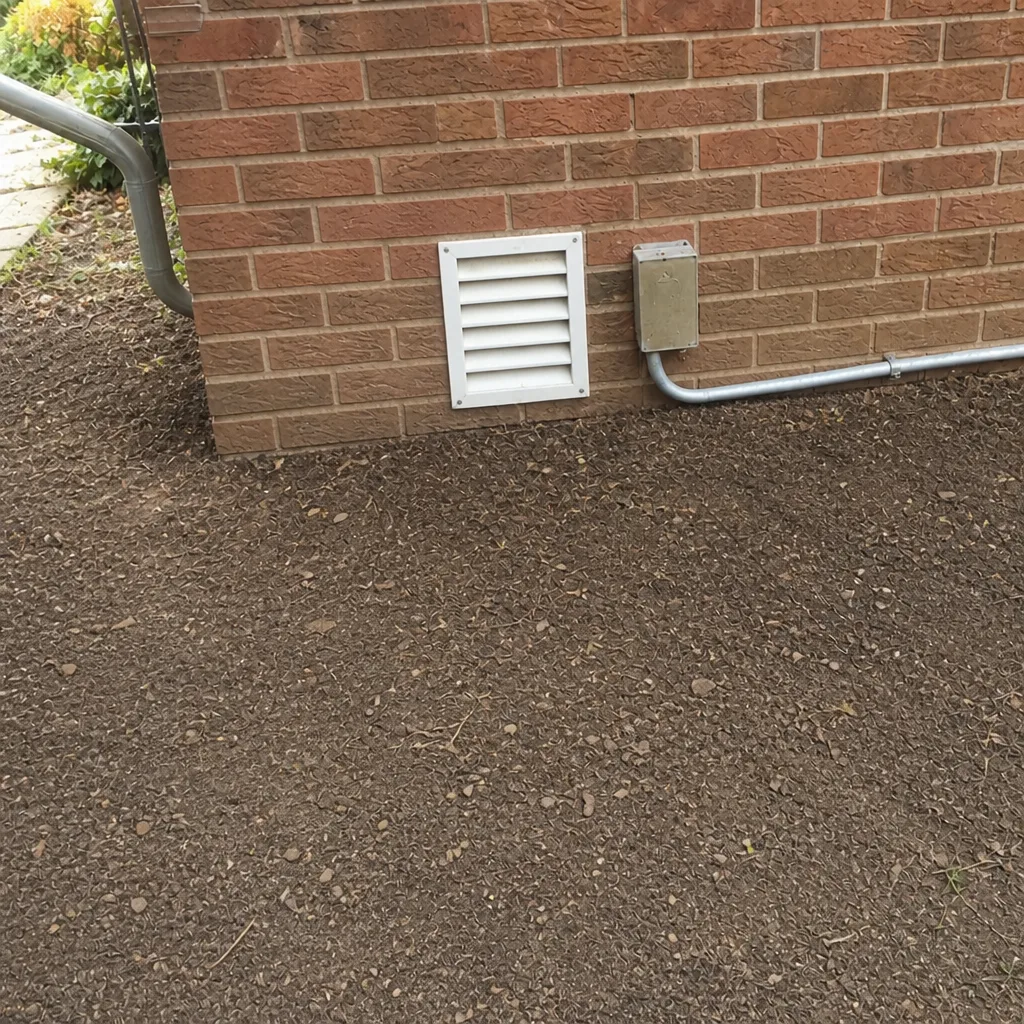 After
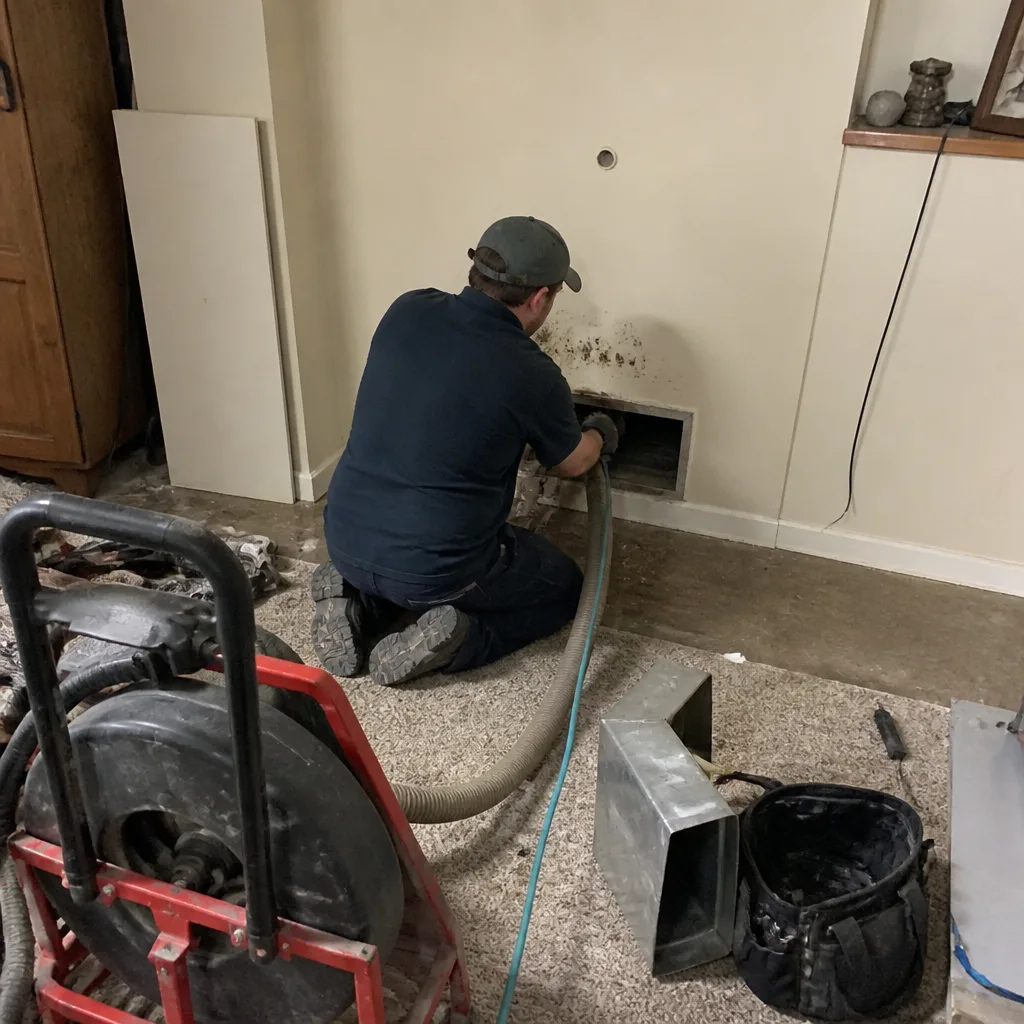 Before
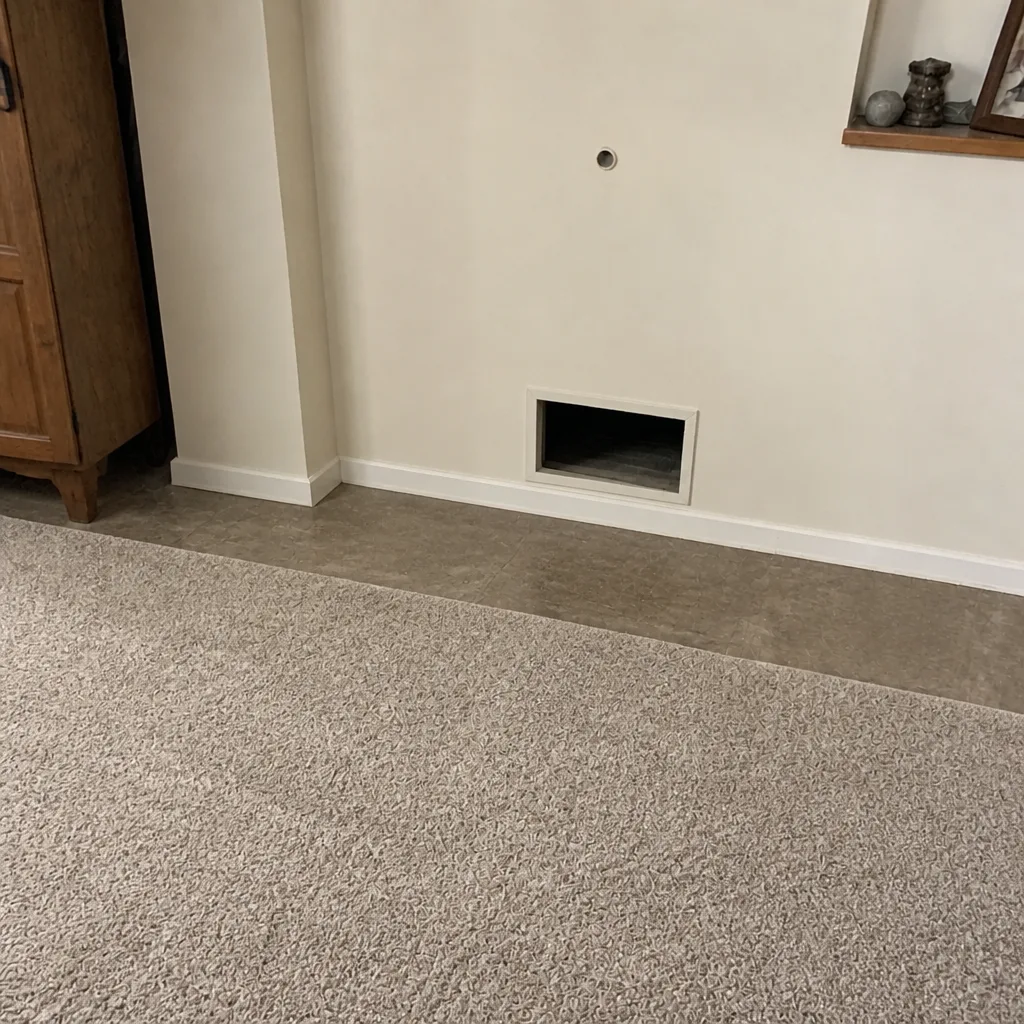 After
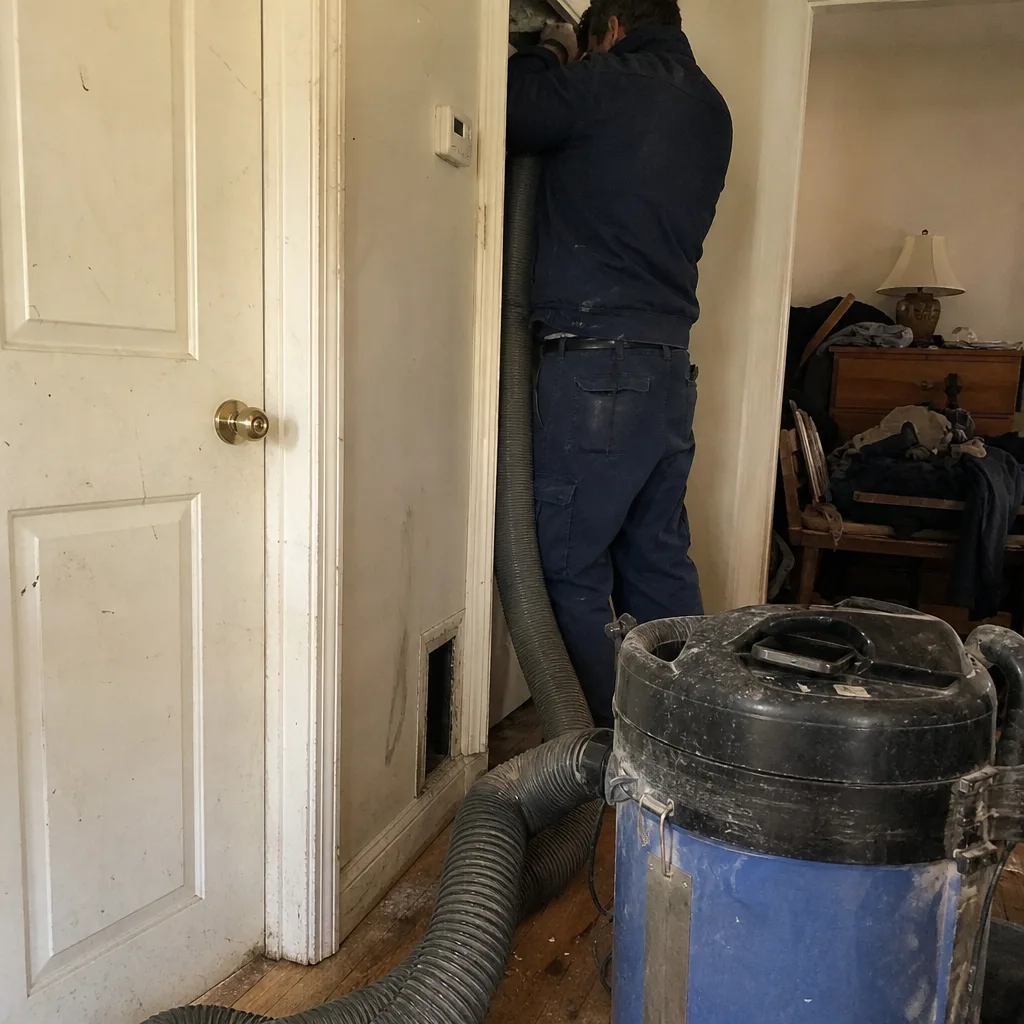 Before
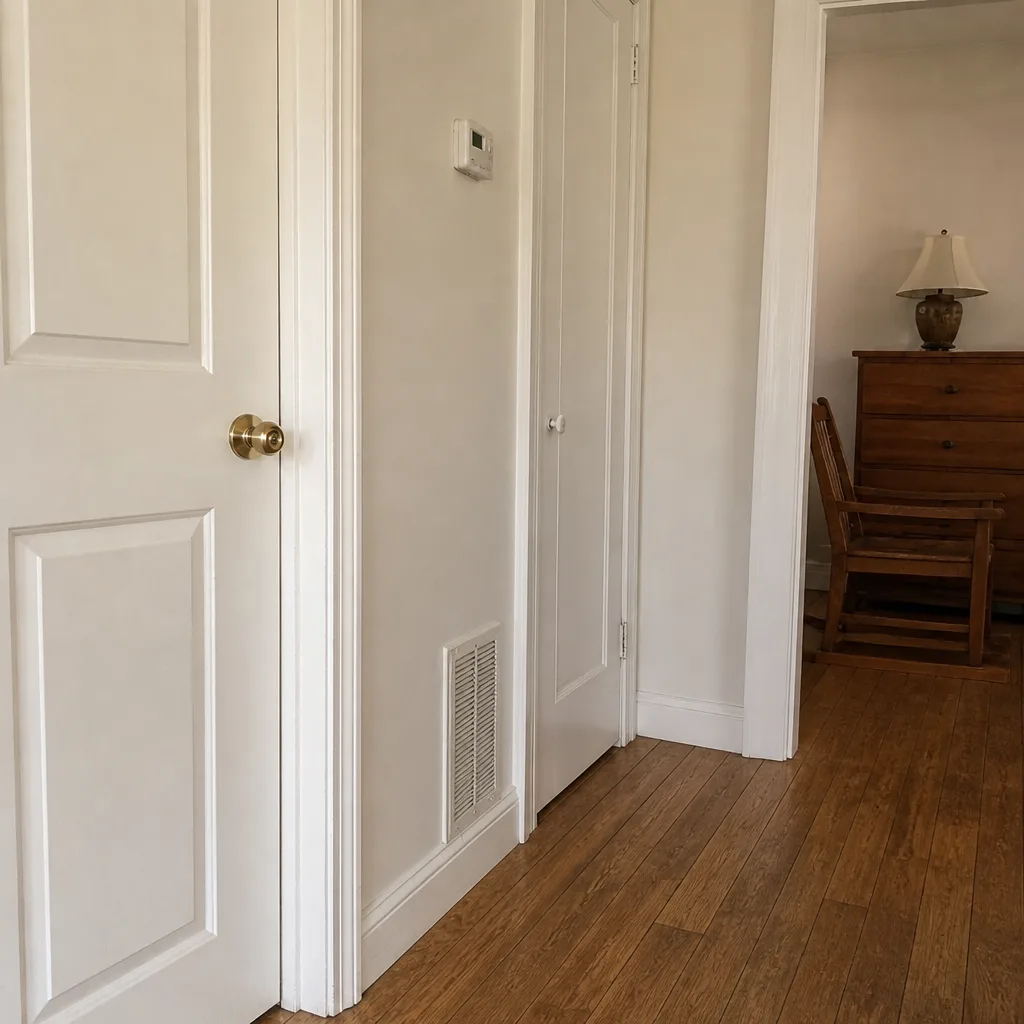 After
When to Call a Professional
Call a duct professional when any of the following is true: water has reached the air handler, plenum, or any duct run; you can see debris, soot, or insulation fibers inside a return grille or supply register; the house smells musty after a storm even with windows open; your insurance adjuster has asked for a duct condition report; or you have an older Louisville home with basement or crawlspace ductwork and you’ve just been through a flooding, ice storm, or tornado event. If the damage involves a fire, ash, or soot, don’t run the system at all until it’s been inspected.
Dayspring Air Duct Cleaning offers free estimates in Louisville. Call (877) 517-3289 to schedule a post-storm inspection. We answer 24/7. Fast dispatch from 7am to 7pm, Sunday through Friday. The price is set per job by a written estimate you approve before any work starts.
Frequently Asked Questions
Within 48 hours of the water event if possible. The first two days are when saturated duct insulation goes from “dryable” to “replaceable,” and it’s also when documentation holds up best for insurance. If water reached the air handler or plenum, shut the system off and call immediately. Call (877) 517-3289 and we’ll schedule an inspection. Estimates are free.
No. Running the system after a water event pushes contaminated air through every room and can deposit moisture on surfaces that were dry. Shut the HVAC off at the thermostat, or at the breaker if the air handler itself was wet, and keep it off until a technician inspects it. This is the single most important rule in post-flood duct work.
Sometimes, depending on the policy and the cause of loss. Many policies treat duct cleaning as a separate line item from the water damage itself, so it pays to call your adjuster and ask specifically. A written condition report with photos and moisture readings is what supports the claim. Call (877) 517-3289 and we can provide the report you’ll need before you file.
A quote that seems far below the others usually reflects a grille-and-vent vacuum pass that skips the trunk lines, contamination documentation, and repair capability. Post-emergency duct work requires moisture readings, camera footage, and HEPA extraction. If a contractor’s quote doesn’t include those, the low price reflects less work, not a better deal. Call (877) 517-3289 for a written estimate with the actual scope.
Ask for before-and-after camera footage of your own ducts and a written condition report showing the interior state of each trunk and run. Any contractor who can’t provide that documentation hasn’t done the job you’re paying for. Our teams capture footage at inspection and again after cleaning, so you can compare. Call (877) 517-3289 to schedule an inspection.
One post-storm inspection per event is the standard for water, fire, or heavy debris events. Routine cleaning runs every few years for most homes, but the frequency depends on your home’s age, duct condition, and whether you’re in a higher-flood-risk Louisville neighborhood. If you’ve been through three storms in a season, don’t wait for the next one to call. Call (877) 517-3289 and we’ll assess what’s needed.
The Bottom Line
Louisville’s tornado, ice storm, and Ohio River flooding risks each push contamination into the duct system in a different way, and standard emergency prep guides miss all three. The 48-hour window after a water event matters most: shut off the HVAC, document everything with photos and a written condition report, and get a professional inspection before cleaning begins. When the inspector brings a moisture meter and a camera, and can repair what they find rather than just report it, you’re working with the right company. The written estimate sets the price. The documentation supports the claim. The cleaned and repaired system protects the air you breathe inside your Louisville home.
Call (877) 517-3289 for a free estimate. We answer 24/7. Fast dispatch from 7am to 7pm, Sunday through Friday. See our Louisville service area for coverage details.
Written by the team at Dayspring Air Duct Cleaning, serving Louisville since 2013.