
Last updated November 14, 2026
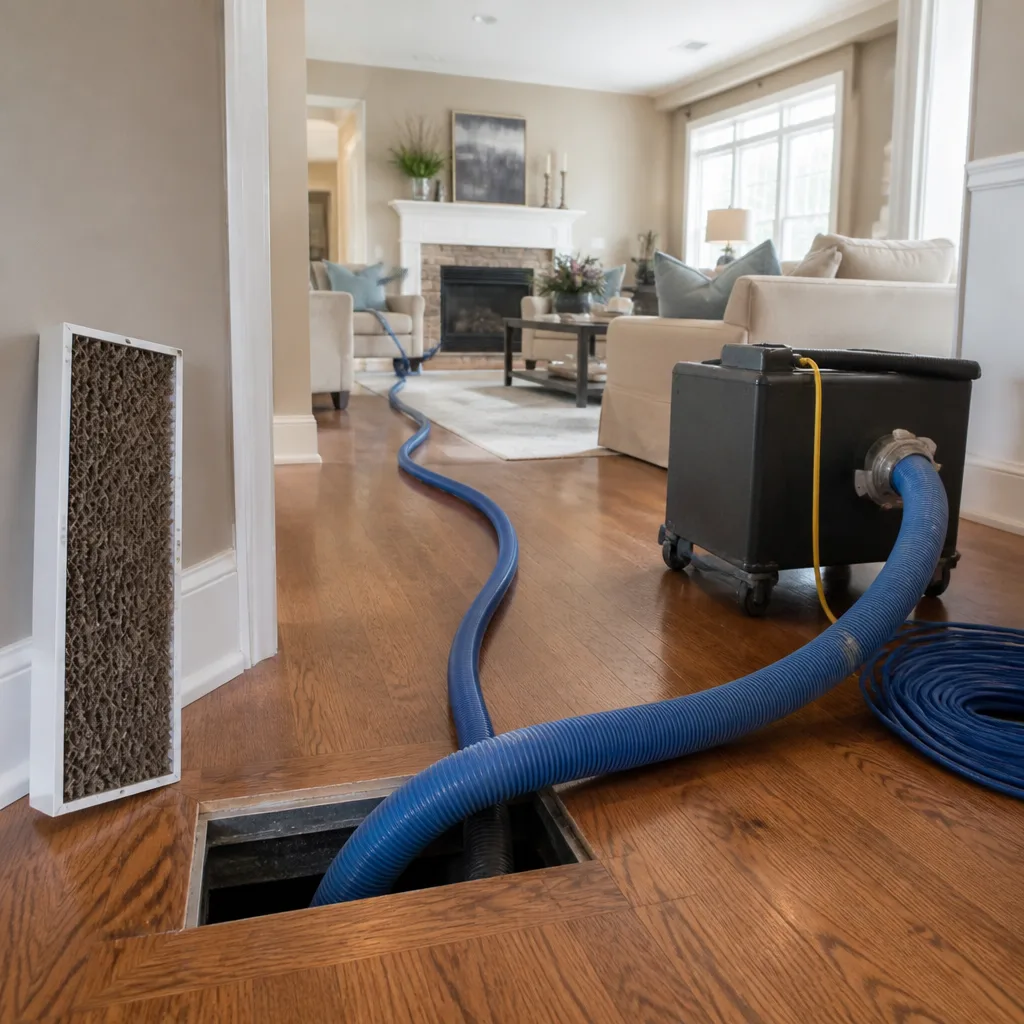 Whole-home duct cleaning
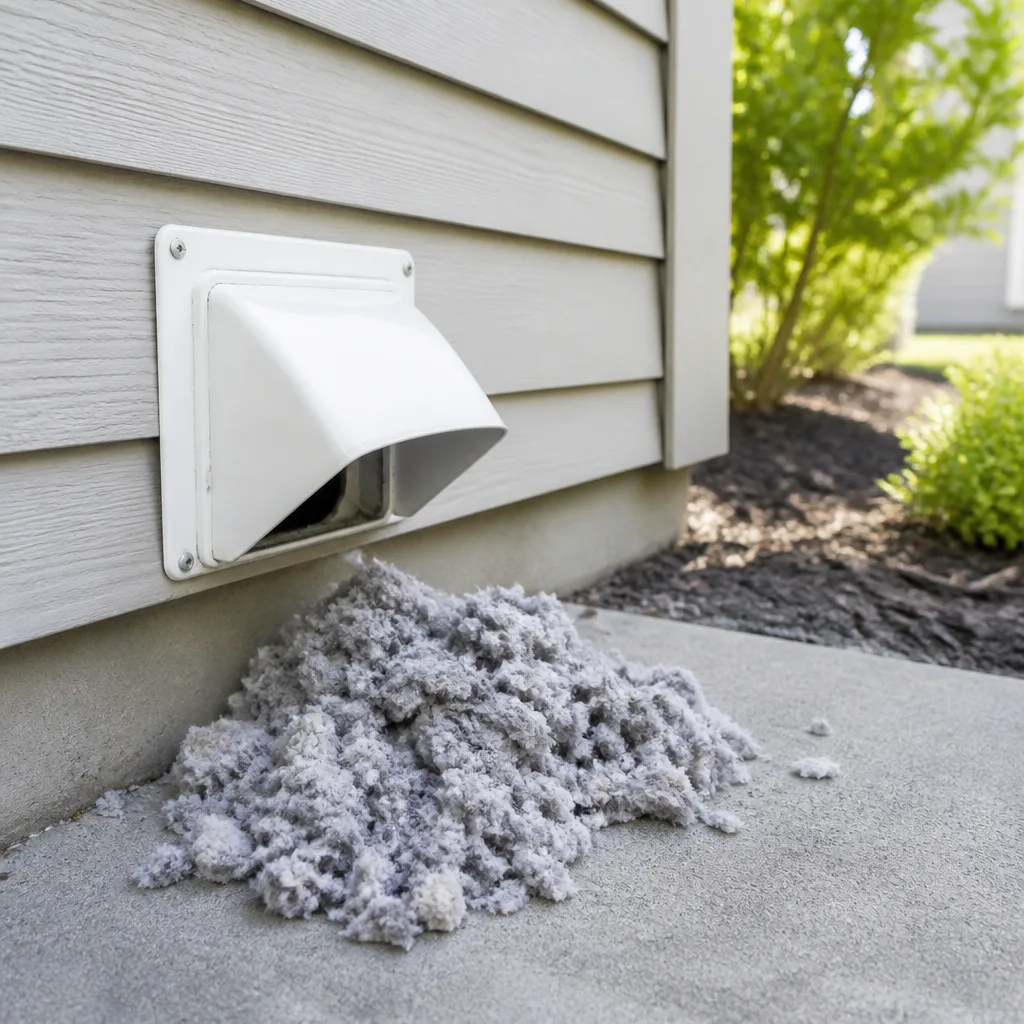 Dryer vent cleaning
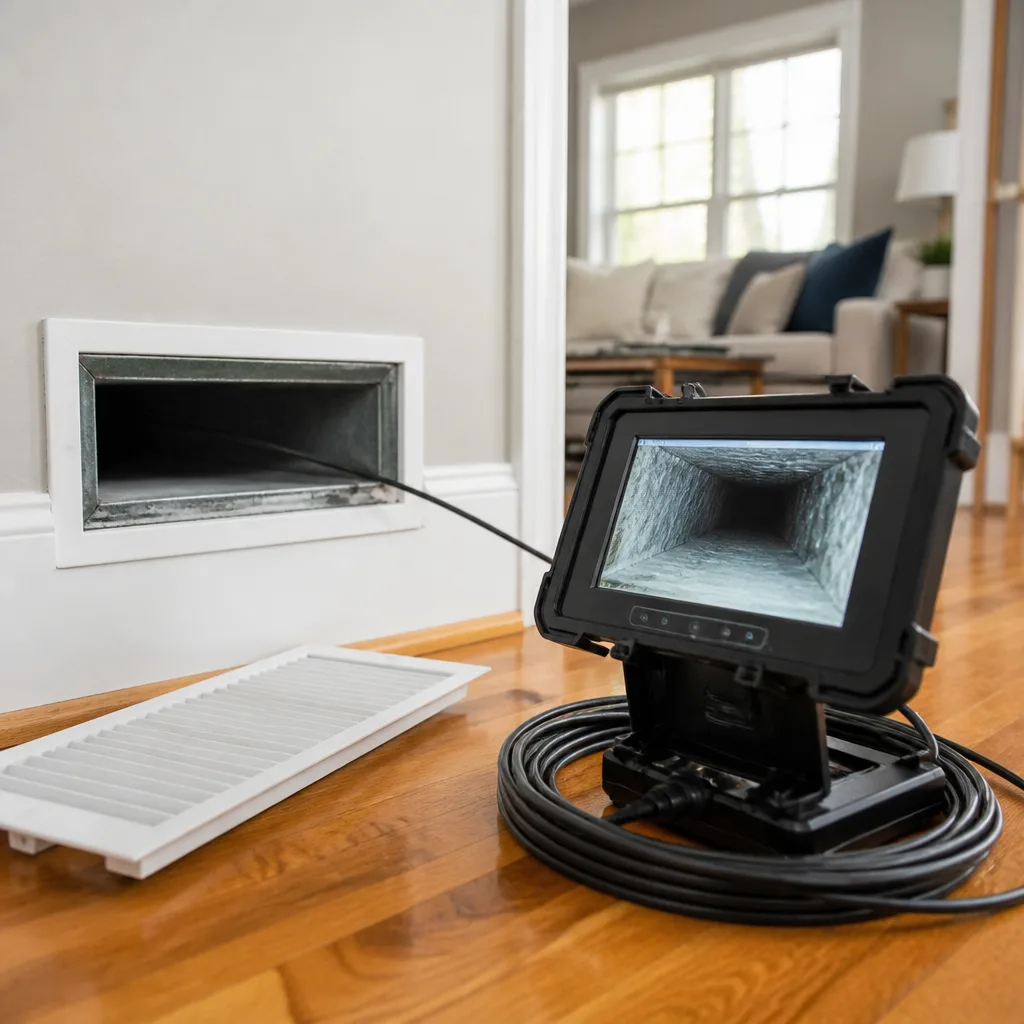 Camera inspection
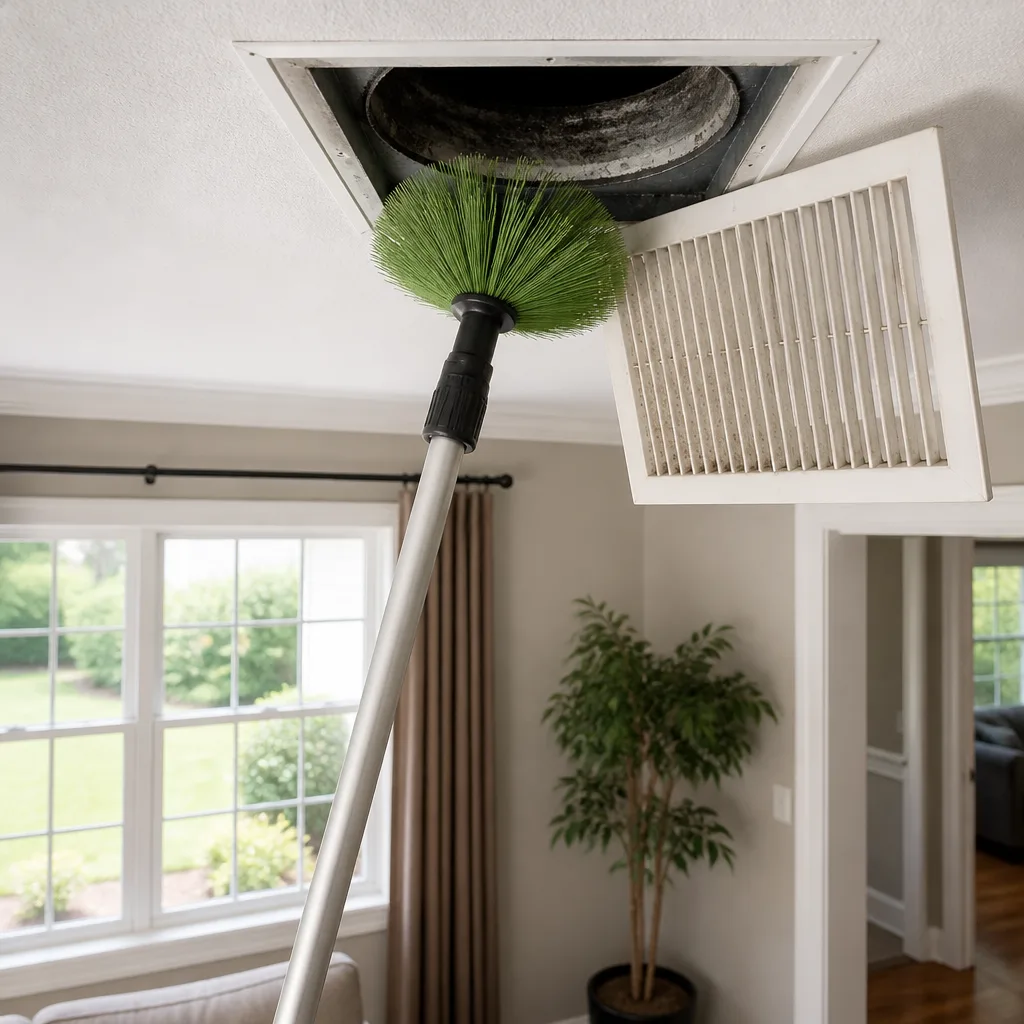 Sanitizing & deodorizing
Whole-system duct and dryer vent check with before-and-after photos - you see exactly what came out of your vents
That "$99 whole-house special" is a bait ad - the real number appears once they are in your hallway, or the "clean" is a shop-vac at the register. We photograph the inside of your ducts before and after instead.
Air Duct Cleaning Cost Breakdown: The Louisville Homeowner’s Reference for 2026
A $99 duct cleaning quote in Louisville typically covers a technician with a portable shop-vac visiting each register, which cleans roughly the first 12 inches of each duct run. The remaining 85% of your duct system is untouched. That gap between what the price sounds like it buys and what it actually buys is the whole problem, and it’s why comparing duct cleaning quotes side by side feels impossible. In this reference, we break down what each price tier in Louisville actually covers in 2026, which variables legitimately move the number up or down, what equipment is behind a real full-system job, and the red flags that show up in quotes around Louisville.
Quick Answer
A legitimate full-system air duct cleaning in Louisville in 2026 typically runs somewhere between $400 and $800 for an average single-family home, depending on system size, vent count, and how accessible the ductwork is. A $99 to $199 offer almost always covers register-only vacuuming, not the full trunk and branch system. The written estimate you receive should spell out main trunk, branch runs, and return side separately before any work begins.
Styles & brands we work with
- Whole-home duct cleaning
- Dryer vent cleaning
- Camera inspection
- Sanitizing & deodorizing
Table of Contents
- Why Duct Cleaning Quotes in Louisville Range From $99 to $800+
- What a Full-System Cleaning Actually Covers: Line by Line
- What Legitimately Changes the Price in Louisville
- The Equipment Gap: Truck-Mounted Vacuum vs. Portable Rig
- Red Flags in Duct Cleaning Quotes
- What’s Worth Paying Extra For in Louisville
- Dryer Vent Cleaning: The Separate Line Item Most Quotes Skip
- How a Full-System Job Actually Goes, Start to Finish
Why Duct Cleaning Quotes in Louisville Range From $99 to $800+
The range of prices quoted for duct cleaning in Louisville isn’t a markup story. It’s a scope story. A $99 quote and an $800 quote are not the same job sold at different profit margins; they’re two different services wearing the same name.
Here’s what typically happens at each price tier:
- $99 to $199: One technician, a portable vacuum, and a visit to each register. The vacuum reaches into the visible opening. The main trunk line, the branch runs behind the walls, and the return system are not addressed, and there’s no camera inspection to show you what’s actually inside the ducts.
- $250 to $400: Often a portable or light truck-mounted unit with a somewhat broader scope, but return-side cleaning may still be excluded or priced separately. Ask directly.
- $400 to $800: A full-system cleaning using negative-pressure extraction, main trunk, branch runs, and return side all included, with a written scope that lists every component. This is the tier where the price is tied to the work, not to a coupon.
In older Louisville neighborhoods where homes date to the mid-20th century, ductwork is often original galvanized steel or rigid board, sometimes with decades of accumulated dust, and the job simply takes longer. A short run through a modern suburban system and a long run through a hundred-year-old Highlands house are not comparable at any price point. That’s not markup; it’s scope. At Dayspring Air Duct Cleaning, we walk through the scope line by line before we agree to a price, because a number without a scope behind it is just a guess dressed up as a quote.
What a Full-System Cleaning Actually Covers: Line by Line
When you’re comparing quotes, the fastest way to spot a mismatch is to look for the line items. A real full-system job prices each of these separately, or bundles them with a written note that they’re all included. Here’s how a legitimate 2026 Louisville estimate breaks down.
- System size and layout assessment: An on-site walkthrough to count supply and return vents, note system age, and map the trunk and branch configuration. This is what the estimate is built from. It should never be skipped in favor of a phone-only quote.
- Negative-pressure vacuum setup: The crew connects a high-capacity extraction unit to the main trunk and creates negative pressure so every loosened particle is captured rather than pushed into living space. This is the single biggest labor and equipment line.
- Main trunk cleaning: The long horizontal runs that distribute air through the house. These carry the bulk of the volume and are the hardest to reach without proper rotary contact equipment.
- Branch run cleaning: Each individual run from the trunk to a supply register. This is the part register-only visits skip entirely.
- Return system cleaning: The return ducts pull air back to the furnace and are often the dustiest part of the system. Ask explicitly whether the return side is included; it’s one of the most commonly omitted lines in low-ball quotes.
- Camera inspection: A look inside the ducts before and after, which some companies price as a separate billable line and some include. Ask which.
When the schedule allows, we use professional-grade equipment from Rotobrush for rotary contact cleaning and Nikro for HEPA negative-air extraction, and we see the system before and after so you can compare for yourself. For a deeper look at how the process itself works, see our guide to air duct cleaning.
What Legitimately Changes the Price in Louisville
Two Louisville homes of the same square footage can easily come in $200 apart on the same quote. Here’s what actually drives the difference.
Square footage and vent count
More registers and more branch runs mean more time on each job. A 1,200-square-foot ranch with six supply vents is a very different estimate than a 3,000-square-foot two-story with eighteen. Vent count, not just square footage, is the number that tracks most closely with labor.
System accessibility
This is the Louisville-specific wildcard. Many older homes in the city have ductwork routed through crawlspaces or low attic spaces that take real work to reach. A system with generous basement access is faster to service than one where every branch has to be maneuvered through a tight crawlspace. Slab-on-grade construction with ducts in the floor is a separate category entirely, and it’s common in newer subdivisions. If your crawlspace or attic is difficult to access, expect the estimate to reflect that honestly, not to hide it until the truck arrives.
Duct material
Rigid galvanized steel holds up to rotary contact cleaning well. Flexible ductwork requires a gentler approach, and older ductboard can be fragile. The material changes both the tooling and the time.
Contamination level
A system that’s been closed up through more than one renovation season, or one with visible debris, takes more passes. Louisville’s humid summers and damp shoulder seasons can also leave a system feeling mustier than a dry-climate home, which is a reason to look at the system carefully, not a reason to panic.
Add-ons
Dryer vent cleaning, leakage testing, and post-cleaning inspection are separate line items in most estimates. They’re covered below.
The Equipment Gap: Truck-Mounted Vacuum vs. Portable Rig
Part of what explains the price gap between $99 and $600 is the capital sitting on the other side of it. A truck-mounted negative-pressure unit or a full HEPA negative-air setup is a four- or five-figure investment before the first job ever runs. A portable rig from a big-box store isn’t.
The functional difference matters more than the price tag. A proper negative-air setup pulls air through the system in one direction, holding the whole duct under suction while rotary contact tools break dust loose from the duct walls. The portable alternative agitates dust near the register without a pressure differential behind it, which means particles can settle back once the vacuum leaves.
That’s why we run equipment from Rotobrush and Nikro on residential jobs, the same categories of hardware used in commercial and industrial indoor air quality work. It also puts us in a position to work safely around the air quality equipment some Louisville homes already have installed, from Honeywell controls to Aprilaire filtration and Aprilaire humidification. The cleaning should integrate with what’s already in the system, not work around it. If a whole-house filter is part of your setup, the crew should know how to work around it without disturbing media that’s already in place.
Red Flags in Duct Cleaning Quotes
Most duct cleaning complaints come down to a small set of predictable patterns. If you see two or three of these on the same quote, treat it as a warning.
- “Per vent” pricing with no system cap. A quoted price per register sounds transparent but has no ceiling. You won’t know the total until the technician is standing in your hallway counting vents with a clipboard.
- Verbal quotes with no written scope. If the number isn’t on paper along with exactly what’s covered, it isn’t a quote. It’s an opening offer.
- No mention of the return side. Return ducts are the dustiest and most labor-intensive part of the system. A quote that doesn’t name them is either skipping them or planning to charge for them later.
- A price that hasn’t seen the system. A phone-only quote without an on-site look at the trunk, branch layout, and accessibility isn’t an estimate. It’s a place to start negotiating.
- No way to verify the work was done. Before-and-after photos of your actual ducts, not stock images, are the only real proof. Ask how the company documents the job before they start.
- The price grows on site. A low number that expands once the technician has found “unexpected” conditions is the classic bait-and-switch pattern. One flat price per system, agreed before work starts, prevents this entirely.
None of this requires a background in HVAC to spot. It requires one line written into the estimate: what’s included, what’s not, and what the total will be.
What’s Worth Paying Extra For in Louisville
Some add-ons are upsells. Two in particular are worth the money in this market.
Post-cleaning duct leakage testing
If your ductwork runs through a crawlspace, leakage testing after the cleaning is money well spent. A duct system that leaks into unconditioned space is losing air you paid to cool or heat, and it can also pull in dust from neighboring soil. Louisville’s older crawlspace-vented homes are especially prone to this. The test tells you whether the ducts are actually tight after cleaning, which is a separate question from whether they’re clean.
Mold assessment by a separate IAQ professional
If the cleaning reveals visible growth or persistent mustiness inside the ductwork, the right next step is an independent indoor-air-quality assessment, not a duct cleaner promising to “treat” it. Duct specialists clean ducts. Mold assessment belongs to a qualified IAQ professional. Getting that assessment first keeps the decisions in the right hands. We’ll flag it if we see it, and we’ll tell you clearly when it’s the right call.
One thing we don’t recommend paying for: any add-on not tied to the condition of your actual system. If the technician can’t show you the problem in your ducts, it probably isn’t one.
Dryer Vent Cleaning: The Separate Line Item Most Quotes Skip
Dryer vent cleaning is a separate scope from air duct cleaning, and it’s often left off the estimate entirely. It shouldn’t be. A clogged dryer vent is a home safety concern, and dryer vent cleaning is one of the most straightforward safety checks a homeowner can commission. Lint accumulates inside the vent run beyond the dryer connection, and it can restrict airflow and create conditions that increase fire risk.
In Louisville homes with long vent runs or vents that exit through the roof or a screened crawlspace wall, the buildup is harder to see and harder to reach without proper equipment. A thirty-second visual check from inside the laundry room tells you almost nothing about the state of a vent run that travels twenty feet through a wall cavity.
The price addition is modest compared to the air duct cleaning itself, and it’s the kind of line item worth getting in writing at the same time. Our dryer vent cleaning service covers the full vent run, not just the connection. If you’ve never had it done in your current home, add it to the conversation when you request the estimate.
How a Full-System Job Actually Goes, Start to Finish
Understanding the sequence of a professional job makes it easier to judge whether a quote you’re reading is realistic. Here’s how a full-system cleaning typically unfolds.
- On-site walkthrough and estimate. A technician counts supply and return vents, notes system configuration and accessibility, and writes the scope. This is where the price comes from, and it’s free.
- Setup and system isolation. The crew seals off registers and connects the negative-air equipment to the main trunk. The system is held under suction before any cleaning begins.
- Main trunk cleaning. Rotary contact tools travel the trunk line, breaking dust loose into the negative-pressure airstream. Larger tanks and boosters may be wrapped if they’re accessible and not sealed.
- Branch run cleaning. Each run is cleaned individually with the register sealed, so debris doesn’t migrate into rooms.
- Return system cleaning. The return ducts are cleaned separately, often with more passes than expected.
- Register and grill cleaning. Supply and return grills are cleaned and reinstalled.
- Camera inspection and documentation. The before-and-after footage is the proof. Ask for the images.
- Dryer vent cleaning, if included. A separate run with a separate brush and a separate extraction step.
One thing worth flagging: if the inspection turns up pressed-together joints or flex duct that’s separated from a boot, cleaning alone won’t solve the problem those create. That’s where duct repair becomes relevant. Dayspring offers Louisville duct repair as its own service, which means the crew can fix what it finds instead of simply reporting it and leaving you to find a second contractor. That matters in older Louisville homes, where a joint that has pulled apart is a common find.
Common Mistakes to Avoid
- Comparing a coupon price to a full-system estimate as if they’re the same product. They aren’t. Put the two quotes side by side and check which one names the return side, the trunk, and the branch runs.
- Accepting a phone-only quote without an on-site look. In Louisville, where crawlspace and attic access varies widely from block to block, the estimate has to be built on your actual system.
- Not asking how the work will be documented. Before-and-after photos of your own ducts are the only proof that matters. Stock images prove nothing.
- Assuming dryer vent cleaning is included in the air duct estimate. It usually isn’t, and it’s a separate safety concern. Ask for it as a line item.
- Skipping leakage testing on a crawlspace-vented home. If your ducts run through a vented crawlspace, testing after cleaning tells you whether the system is actually sealed. It’s a small addition that answers a big question.
- Letting the price grow on site. One flat price per system, agreed in writing before work starts, is the best protection against the bait-and-switch reputation this trade has earned.
- Booking a mold “treatment” from the duct cleaner. If contamination is spotted, get an independent IAQ assessment. A duct cleaning crew’s job is ducts.
See the difference
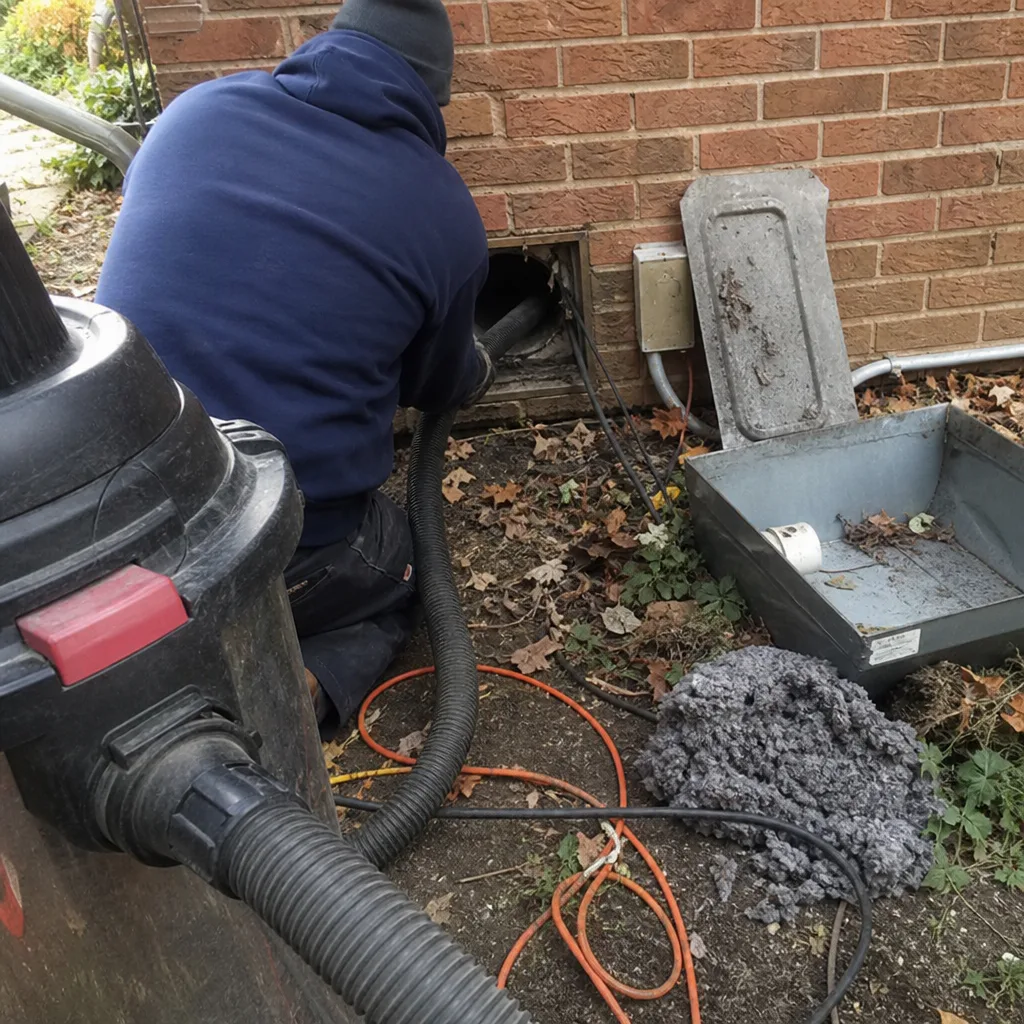 Before
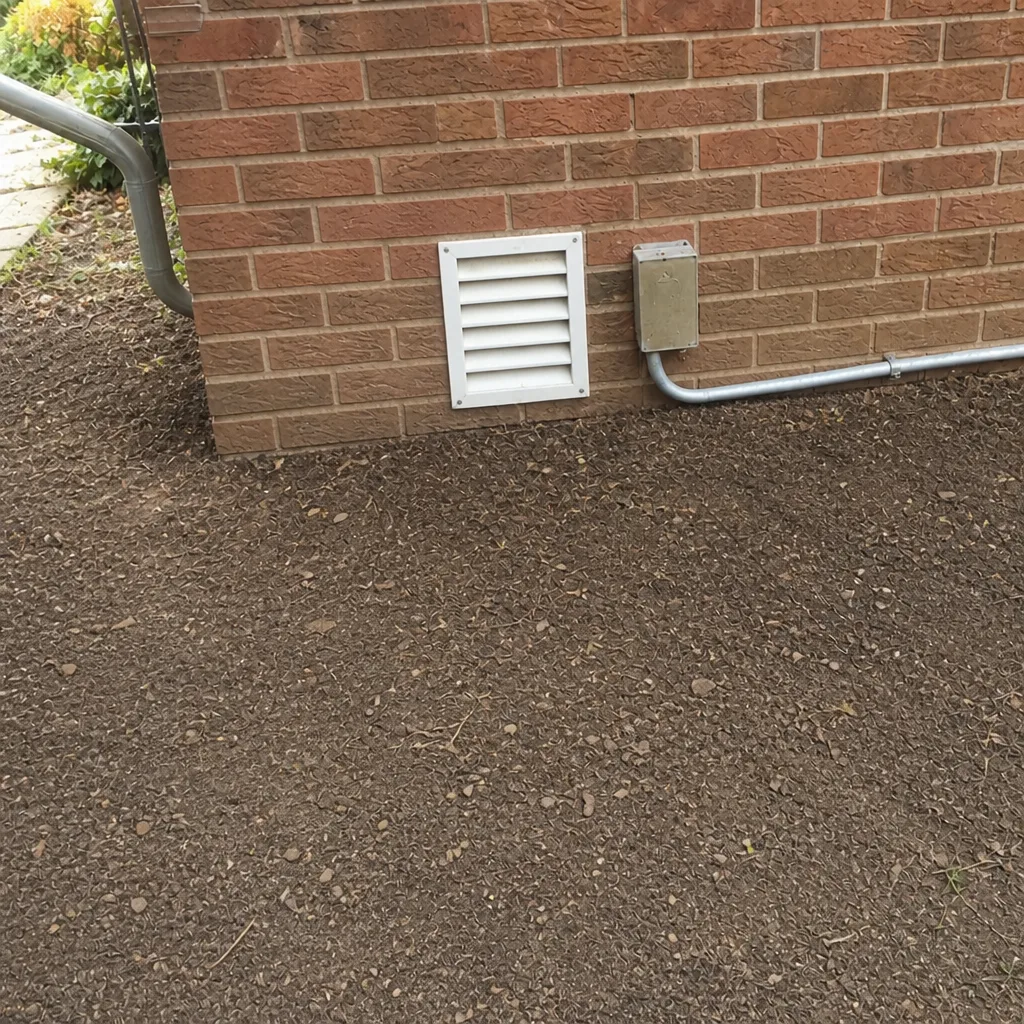 After
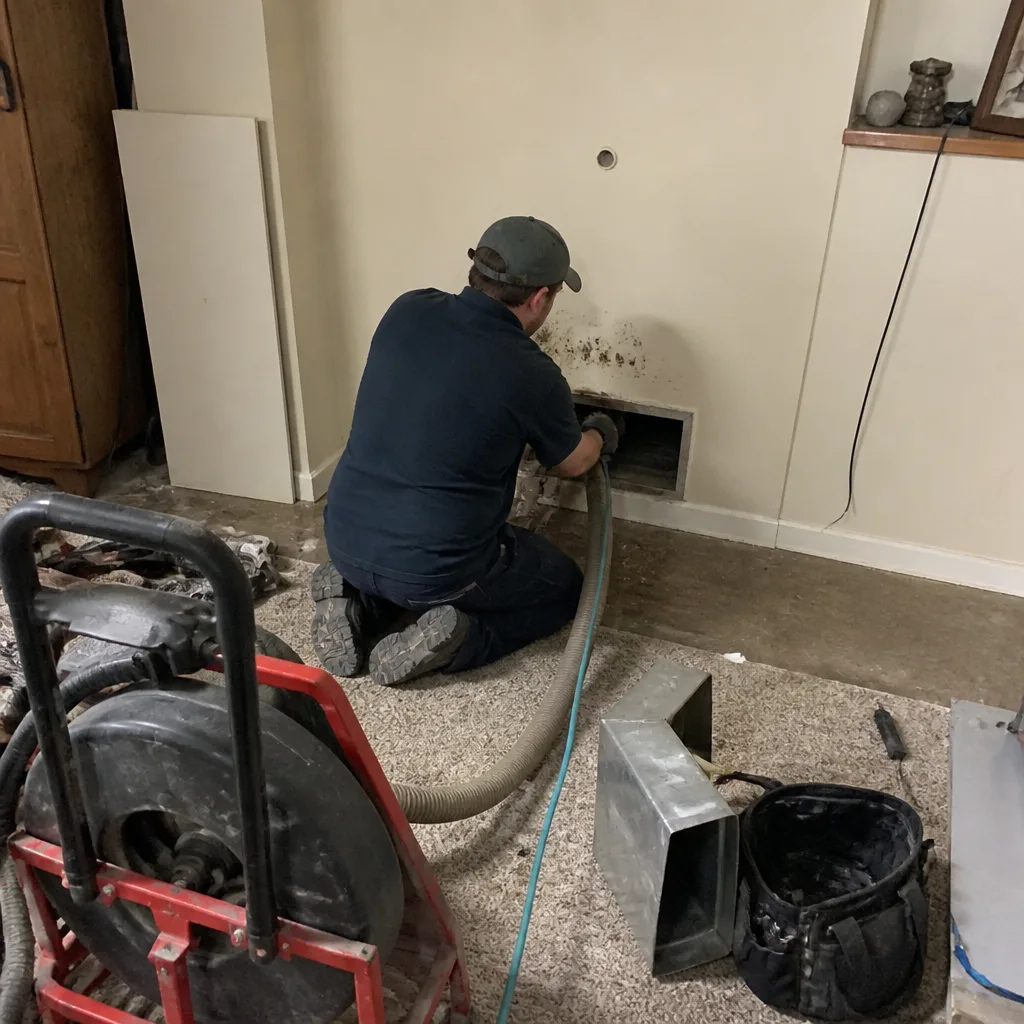 Before
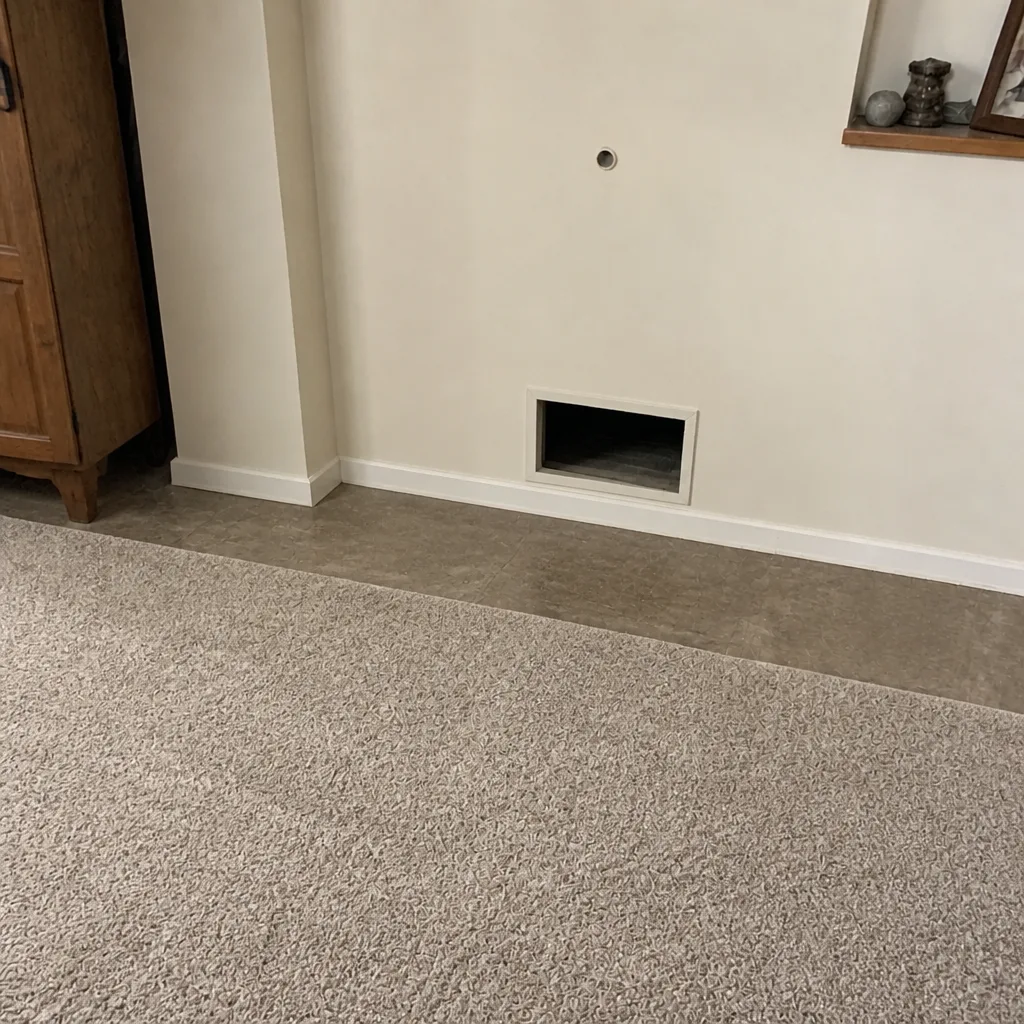 After
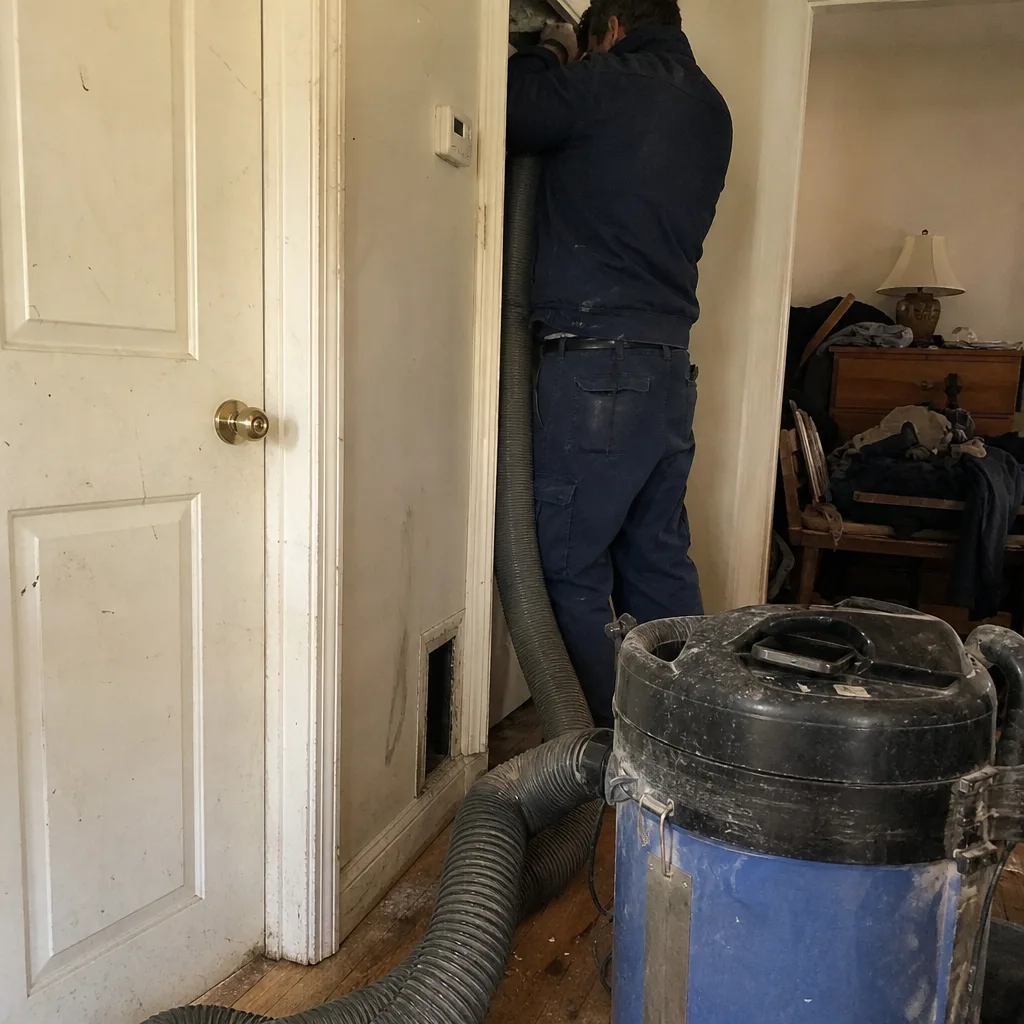 Before
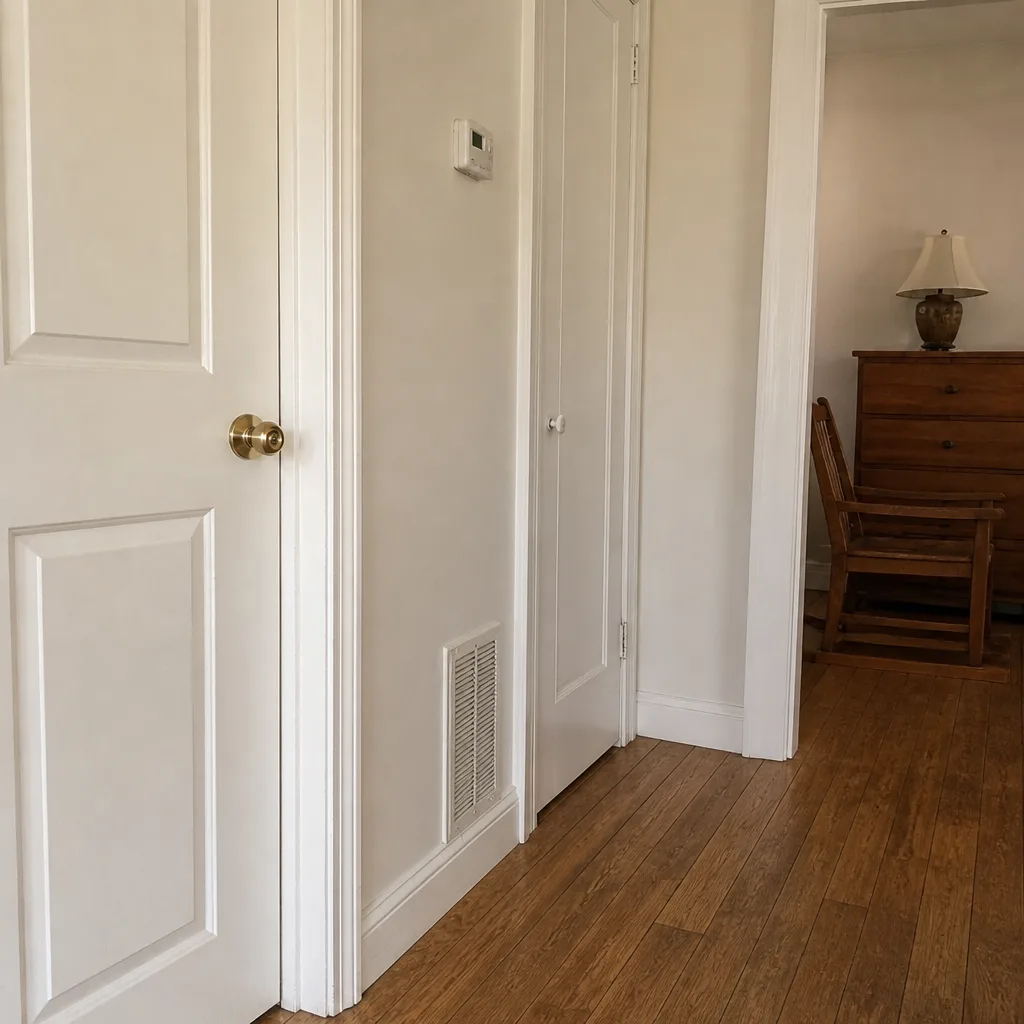 After
When to Call a Professional
Air duct cleaning in Louisville is most worthwhile when there’s a reason, not on a rigid calendar. Call for an on-site estimate if you’ve recently moved into an older home and don’t know when the system was last cleaned, if you’ve finished a renovation that filled the house with dust, if anyone in the household has noticed a persistent musty smell when the system runs, or if you’re seeing dust settle on surfaces faster than seems reasonable. It’s also worth the call if you’ve never had the dryer vent cleaned and the dryer takes longer than it used to. When contamination or visible growth turns up in the ducts, we refer to an independent IAQ professional rather than guessing at causes. Dayspring Air Duct Cleaning offers free estimates in Louisville. Call (877) 517-3289.
Frequently Asked Questions
For an average single-family home in Louisville in 2026, full-system air duct cleaning typically falls in the $400 to $800 range, depending on vent count, system accessibility, and duct material. Quotes under $200 generally cover register-only vacuuming, not the trunk, branch runs, and return side together. Call (877) 517-3289 for an exact quote. Estimates are free.
Because they’re usually a different scope of work, not a discount on the same scope. A $99 quote typically covers a technician with a portable vacuum visiting each register, cleaning only the first foot or so of each run. The rest of the system is untouched. A full-system cleaning uses negative-pressure extraction and rotary contact equipment to clean the trunk, branch, and return sides. Call (877) 517-3289 for an exact quote. Estimates are free.
Ask to see before-and-after images of your own ducts, not generic photos. A reputable company can produce them from the camera inspection. Requesting that documentation up front is a reasonable question. Call (877) 517-3289 for an exact quote. Estimates are free.
There’s no universal schedule that fits every home. Most homes don’t need it on a fixed interval; it’s usually prompted by a specific reason: a move into an older home with unknown history, a renovation, a musty smell when the system runs, or an inspection flag. A system that’s cleaned properly and kept filtered generally goes much longer between cleanings. Call (877) 517-3289 for an exact quote. Estimates are free.
Often, yes, but the inspection matters more in older Louisville homes. Original system ductwork may have accumulated decades of dust, and it may also have separated joints or damaged sections that cleaning alone won’t fix. That’s why an on-site walkthrough before the estimate is essential. Call (877) 517-3289 for an exact quote. Estimates are free.
Louisville’s humid summers and damp shoulder seasons can leave a system feeling mustier, and the crawlspace-vented construction common in older homes can introduce soil dust and moisture into duct runs. That doesn’t mean every home needs frequent cleaning, but it’s a reason to look at the system carefully, especially if the ducts run through a vented crawlspace. Call (877) 517-3289 for an exact quote. Estimates are free.
The Bottom Line
The price of duct cleaning in Louisville in 2026 ranges from a $99 register vacuum to an $800+ full-system job because those are different services. The only real way to compare quotes is to check the scope: does the estimate name the main trunk, the branch runs, and the return side? Does it include documentation? Is the dryer vent listed separately? What equipment is the crew bringing to the job? The written scope is your protection against the bait-and-switch reputation this trade has earned. One flat price per system, agreed before work starts, is the standard to hold every quote to. That’s the standard we hold ourselves to at Dayspring, and it’s why we walk through the scope with you line by line.
We use professional-grade equipment and approach every job as a full-system inspection and cleaning, not a register visit, and we repair what we find rather than simply reporting it. We also work around the filtration and air-quality equipment already in your system, whether it’s a Honeywell control, an Aprilaire filter, or an Abatement Technologies component. Cleaner air is a result you can measure, and we document it.
Call (877) 517-3289 for a free estimate. We answer 24/7. Fast dispatch from 7am to 7pm, Sunday through Friday. You can also read more about our services and how we approach a full-system job on our main page.
Written by the team at Dayspring Air Duct Cleaning, serving Louisville since 2013.