
Last updated November 14, 2026
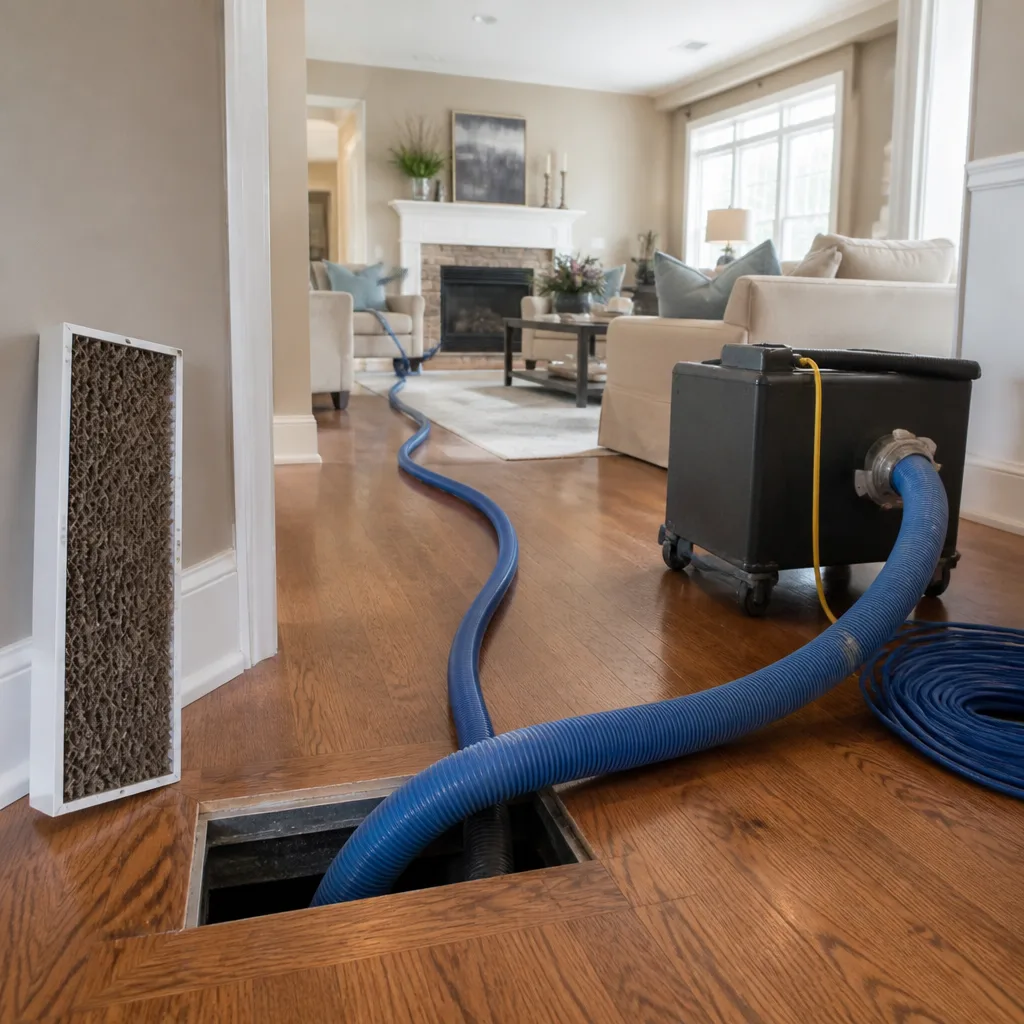 Whole-home duct cleaning
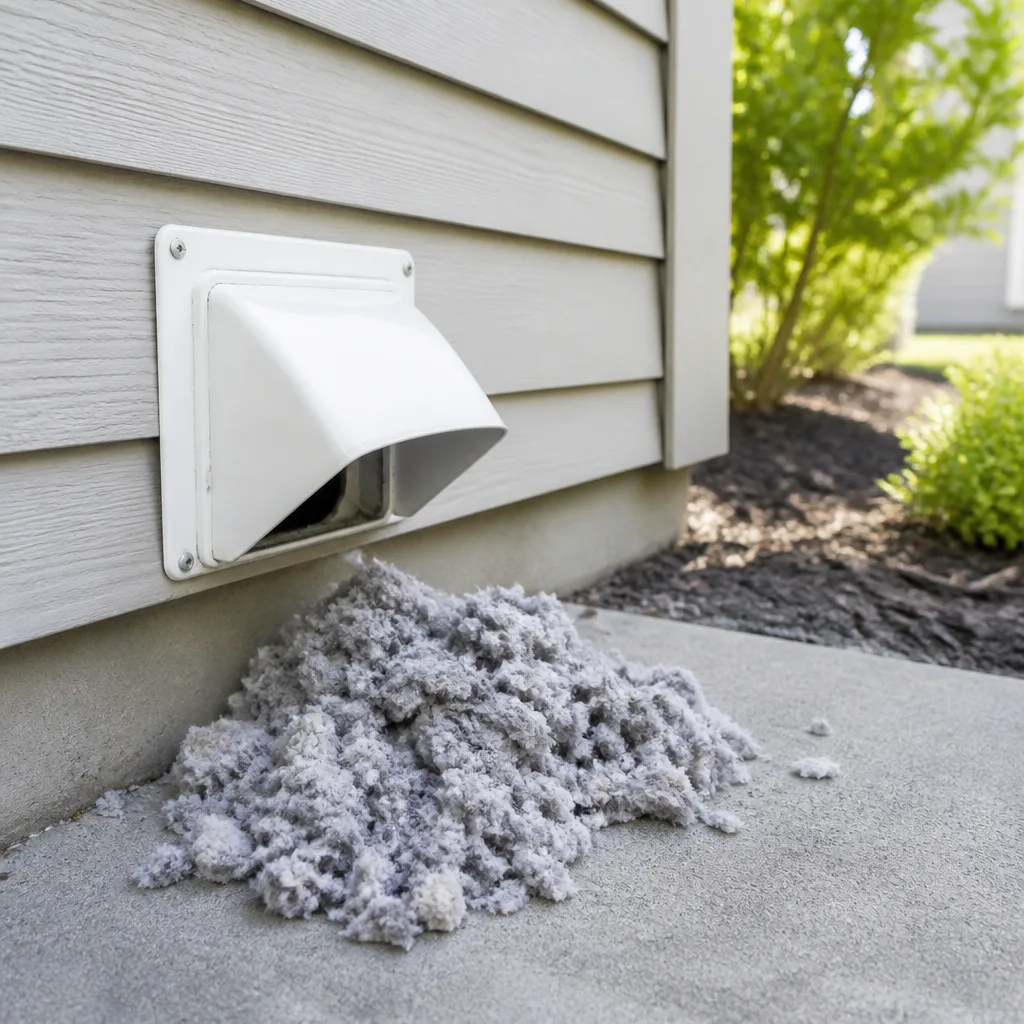 Dryer vent cleaning
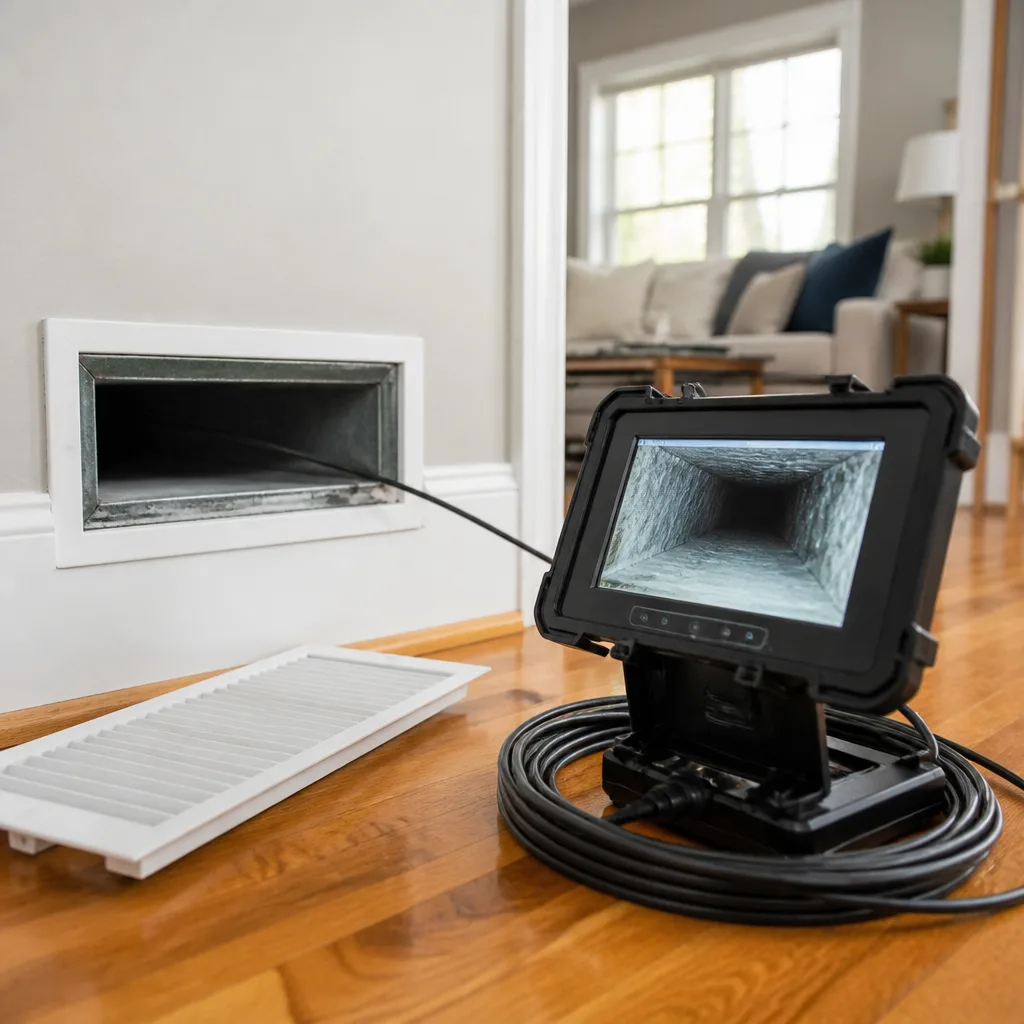 Camera inspection
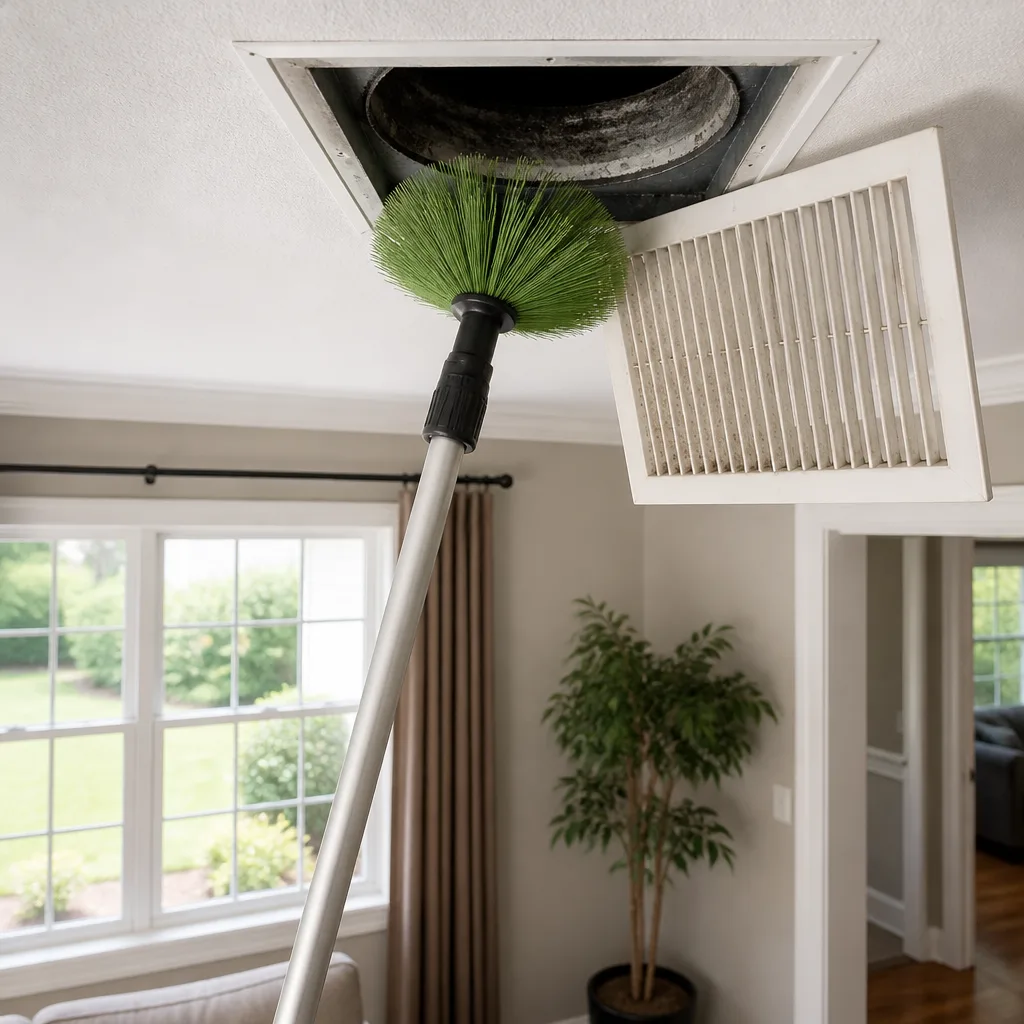 Sanitizing & deodorizing
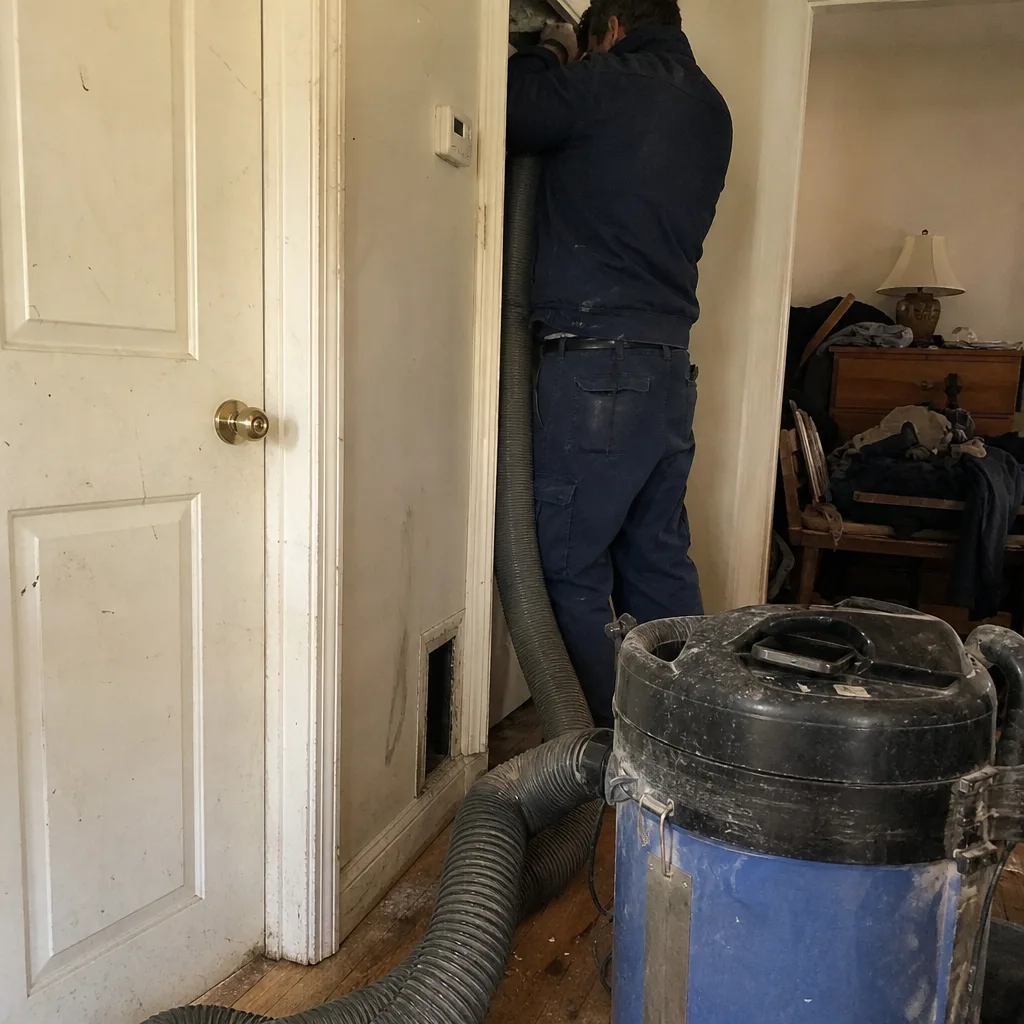
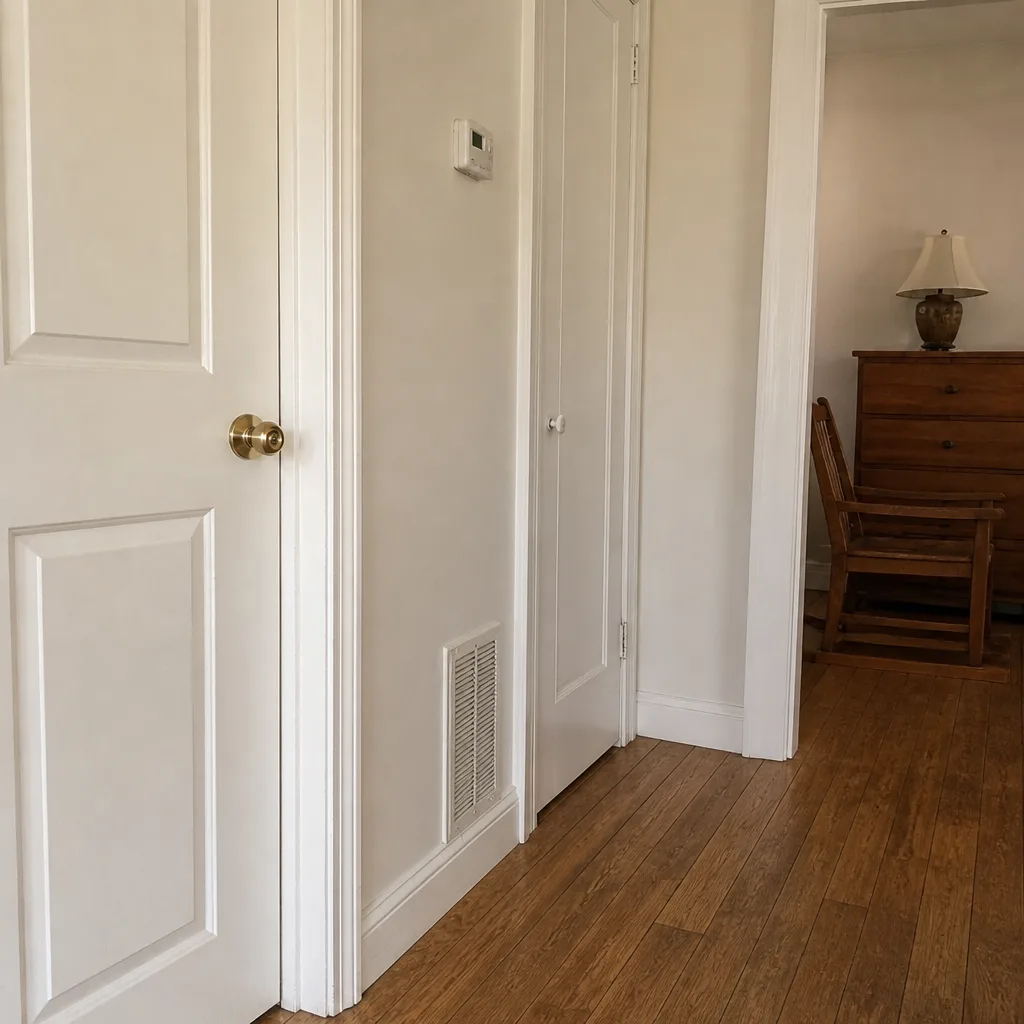
Whole-system duct and dryer vent check with before-and-after photos - you see exactly what came out of your vents
That "$99 whole-house special" is a bait ad - the real number appears once they are in your hallway, or the "clean" is a shop-vac at the register. We photograph the inside of your ducts before and after instead.
Choosing the Right Air Duct Cleaning Brand: A Buyer’s Guide for Louisville
There is no nationally franchised duct cleaning brand operating in Louisville whose name, on its own, guarantees a better result. The standards that define professional work apply equally to an independent operator with the right gear and a franchise with a glossy sign. Franchise fees don’t buy better equipment, and a logo doesn’t train the technician who walks into your home. What actually separates one company from another is smaller and more concrete than a brand name: the machines they run, whether the person doing the work understands your HVAC system, and whether their scope of work covers the whole duct network or just the vents you can see. This guide teaches you how to check all three before you book anything in Louisville.
Styles & brands we work with
- Whole-home duct cleaning
- Dryer vent cleaning
- Camera inspection
- Sanitizing & deodorizing
Quick Answer
Choosing the right air duct cleaning brand in Louisville comes down to four checkable things: the equipment a company operates (professional-grade rotary and HEPA negative-air machines, not shop vacuums), the documented scope of work (trunk lines, return system, coil area, and repair – not just registers), whether they put that scope in writing before you book, and whether the technician can explain your HVAC system instead of pitching add-ons. Brand recognition tells you almost nothing; verifiable equipment and a written scope tell you almost everything.
Table of Contents
- Why “franchise versus independent” is the wrong question
- The four questions that actually predict quality
- How to evaluate a Louisville company from public information
- Full-system contractor versus register-focused operator
- Why Louisville crawlspaces change the answer
- What a written scope of work tells you
- Using the first call as a screening tool
- What air duct cleaning should cost here
- Common mistakes to avoid
- When to call a professional
- Frequently asked questions
- The bottom line
Why “franchise versus independent” is the wrong question
The question most homeowners ask first is whether a franchise is safer than a local shop. It’s an understandable instinct, and it’s the wrong one to lead with. A franchise is a business model, not a quality rating. The same standards that define professional cleaning apply whether the truck says a national name or a name you’ve never heard. What a franchise fee buys the operator is a logo and a marketing package. It doesn’t buy a better rotary brush, and it doesn’t make the technician more experienced.
That cuts both ways. An independent operator isn’t automatically better either. Plenty of local companies run consumer-grade vacuums and call it duct cleaning. The point is that the franchise flag is not a shortcut to judgment. You have to actually look at the operation.
What does reliably predict a good outcome is equipment, training, and scope. These are things you can inspect before you spend a dollar. A company that can tell you exactly which machines it runs, show photos of them, and describe its process in order is signaling something real. A company that answers equipment questions with “we use the best” is telling you it either doesn’t know or doesn’t want you to know.
In our experience across Louisville jobs, the operators who do thorough work are the ones happy to talk about their tools and process. They aren’t guarding trade secrets. They’re proud of the gear because it’s the reason the result lasts. When you’re comparing a company in the Highlands against one in the East End, ask each the same equipment questions and see which one gives you specifics.
If you want a starting point for what thorough service looks like, the air duct cleaning we perform here is built around inspection first, then a documented scope, then cleaning with the right machines for the duct material. That order matters more than any brand name on the door.
The four questions that actually predict quality
Once you drop the franchise-versus-independent debate, four practical questions remain. Each one has a verifiable answer, and each one tells you something a brand name can’t.
- What equipment will you use, and can I see it? Look for rotary contact-cleaning systems made by companies like Rotobrush and HEPA negative-air extraction machines such as Nikro units. These are the tools of commercial and industrial indoor air quality work. A shop vac on a hose is not a substitute. Ask for photos or a description of the specific machine.
- What does the scope cover? A real scope names the supply and return sides, trunk lines, branch runs, registers, and the coil or plenum area where accessible. If the quote only mentions vents, you’re paying for surface work.
- Will you show me the condition before you start? A good technician documents what’s inside your system with photos before cleaning, not just after. You should see the before and the after.
- Can you repair what you find? Many companies clean and leave. Ductwork that’s disconnected, crushed, or leaky stays that way. Ask whether repair is part of the service or a separate call to someone else.
None of those questions require you to know HVAC engineering. They’re screening questions. The answers sort companies quickly into two groups: those who can describe their operation in specifics, and those who can’t.
The company you’re on now, Dayspring Air Duct Cleaning, exists on the far side of those questions: professional-grade equipment, a full-system scope, and repair as part of the job rather than a referral. We repair what we find, not just report it. That’s the standard to hold every bidder to, whether they’ve been around a while or not.
How to evaluate a Louisville company from public information
You can learn a lot before you ever pick up the phone. A company’s website and reviews are usually enough to sort the serious operations from the ones that just want a vent vacuumed.
Equipment photos. Look at what they show. If the gallery is all clean registers and smiling technicians, you’re looking at marketing. If it includes the rotary machine, the negative-air unit, and pictures of duct interiors before and after, that’s an operator showing its actual work. Professional tools look industrial. You’ll recognize them.
Credentials you can verify. If a company claims membership in a trade association or a certification, ask for the verifiable details and check them. A claim you can confirm is worth ten you can’t. The same logic applies to the equipment they say they work alongside. Being trained around systems like Honeywell, Aprilaire, and Abatement Technologies filtration gear signals technical fluency, but the proof is in whether the technician can explain how cleaning fits with the filtration already in your home.
What reviews actually say. Skip the star count and read for specifics. Useful reviews mention technician behavior: whether they explained the process, whether they showed before-and-after photos, whether they stuck to the agreed price. A review that says “showed me pictures of the inside of my ducts” tells you the company documents its work. A review that says “fast and cheap” tells you almost nothing about quality.
What they offer. A company that only does duct cleaning has a narrower view than one that also handles dryer vent and duct repair. The breadth of service is a proxy for how deeply they understand the duct ecosystem in a home. A single operator handling all three means you’re not juggling contractors who blame each other.
If you’re weighing services across the wider metro, it helps to see how a company frames its work for a specific area. Our Louisville page is one place to compare the language a full-system operator uses against what you see elsewhere.
Full-system contractor versus register-focused operator
The single biggest quality gap in this market is scope. A register-focused operator cleans the vents you can see and calls it done. A full-system contractor works the whole network: supply and return, trunk lines, branch runs, the air handler area, and repair where the ductwork is failing.
Here’s why the difference matters. The contamination that affects your air isn’t concentrated at the register. It builds up in the trunk lines, the return plenum, and the branches feeding individual rooms. If a company only vacuums at the registers, the material deeper in the system stays put, and the job’s benefit fades faster than it should.
A full-system contractor typically follows a sequence like this:
- Inspect the system and document conditions with photos.
- Set up HEPA negative-air extraction to keep dust contained.
- Use rotary contact cleaning to agitate and remove buildup along trunk and branch runs.
- Clean the return side and accessible coil or plenum areas.
- Address any damaged or disconnected ductwork found along the way.
- Provide before-and-after documentation so you can see the result.
If you’re scheduling dryer vent cleaning, the same scope logic applies. A register-focused mindset doesn’t translate to the dryer vent, which is a separate duct that is one of the leading causes of residential fires according to the National Fire Protection Association. That’s a safety service, not a convenience, and it deserves a company that treats the full run seriously from the appliance to the exterior.
The reason to care about breadth is practical. If a full-system contractor cleans, inspects, and repairs in one visit, you avoid the scenario where the cleaner finds a problem and hands you the name of someone else to fix it. One crew, one scope, one accountable job.
Why Louisville crawlspaces change the answer
Louisville is a good backdrop for a warning because of how much of its housing stock routes ductwork through crawlspaces. Older neighborhoods like the Highlands, Germantown, and Clifton are full of homes where the main trunk and branch runs travel under the floor in a crawlspace rather than through a conditioned attic.
Crawlspace ductwork takes a beating. It’s exposed to damp, and in a river valley climate with humid summers and wet springs, that damp can work on duct insulation and the seams between sections. Disconnected or sagging runs are common in homes where ductwork has been there for decades. That matters because a leaky crawlspace duct dumps conditioned air into the crawlspace instead of your living room, and it can pull in whatever is down there.
A register-focused operator never looks under the house. A full-system contractor does. That’s the practical reason to ask about repair capability. If the person cleaning your ducts can’t or won’t fix a disconnected run they find in the crawlspace, you’re paying for half a job.
This is also why documentation matters in Louisville. Ask for photos of the crawlspace runs as part of the before-and-after record. If the company can’t show you the trunk lines and branches, they likely didn’t clean them.
Older HVAC setups in these homes often include filtration or humidity equipment already installed. A technician trained to work alongside systems from brands like Aprilaire or Abatement Technologies knows how to clean around that equipment instead of damaging it, and knows how cleaning interacts with the air quality gear you already own.
What a written scope of work tells you
A written scope of work before you book is one of the most reliable quality signals in this business. A company willing to put the details in writing is committing to specifics. A company that quotes a number over the phone and moves to “when should we come out” is asking you to trust a verbal figure that can grow once the van is in your driveway.
This industry has a bait-and-switch reputation for a reason. A low teaser price that balloons into a far larger invoice is the story behind a lot of duct cleaning complaints. The defense is simple: get the scope and the price in writing before anyone starts.
A proper written scope includes:
- The exact areas to be cleaned: supply, return, trunk, branches, registers, accessible coil area.
- The equipment to be used.
- Whether repair is included or quoted separately.
- The total price for the whole system, not a per-vent rate.
- How the work will be documented and what you’ll receive afterward.
A verbal quote with no scope is a red flag, full stop. It’s not about being difficult; it’s about knowing exactly what you’re buying. We set one flat price per system, agreed before work starts, with no per-vent pricing, and we show before-and-after photos of your own ducts. That’s the model to insist on from anyone you hire in Louisville.
Using the first call as a screening tool
The phone call itself is a test. You don’t need to be an expert; you need to ask questions that a competent technician handles easily and a salesperson fumbles.
Ask, in order:
- “What equipment do you use?” Listen for named machines and a description of the process. Vague answers about “the best equipment” are a pass.
- “How many vents do you charge for?” If the answer is a per-vent price, be careful. Whole-system pricing is the honest model.
- “Will you show me photos of the inside of my ducts before and after?” A yes is what you want. A hesitation is not.
- “Can you repair ductwork if you find a problem?” The answer tells you whether you’re hiring a full-system contractor or a cleaner who refers out.
- “Do you clean the trunk lines and the return, or just the vents?” This one question separates the two tiers of operator faster than anything else.
A technician who understands HVAC systems will answer these in plain language and may ask you questions back about your home, its age, and where the ductwork runs. A salesperson who understands upselling will steer toward add-ons before they’ve seen your system. Watch which direction the conversation goes.
Pricing talk should end with a written estimate, not a phone number. When you’re ready to compare, call (877) 517-3289. We answer 24/7, with fast dispatch from 7am to 7pm, Sunday through Friday, and the estimate is free.
What air duct cleaning should cost here
We don’t publish a price list because every system is different, and a number quoted sight-unseen is exactly the kind of verbal figure that grows later. What we can tell you is the shape of an honest quote. It’s a single flat price for the whole system, agreed before work starts, tied to a written scope. It is not a per-vent rate, and it’s not a teaser coupon that becomes a much larger invoice once the technician is inside.
When you collect estimates in Louisville, put them side by side the same way:
- Scope: Does the quote name trunk lines, return, branch runs, registers, and the accessible coil area? Or does it just say “vents”?
- Equipment: Is the price built around rotary contact cleaning and HEPA negative-air extraction, or a consumer vacuum?
- Repair: Is repair included in scope or quoted separately when needed?
- Documentation: Will you get before-and-after photos of your own system?
- Terms: Is it one flat price, in writing, before work begins?
If two quotes look far apart, the difference is almost always in the first line. One covers the whole system; the other covers part of it. When you’re ready for a specific number, call for a free estimate. The written estimate is what sets the final price.
Common Mistakes to Avoid
- Choosing on brand name alone. A franchise flag doesn’t tell you what equipment is in the truck or who’s driving it. Ask about the machines and the technician’s experience before you’re impressed by the logo.
- Accepting a price per vent. Per-vent pricing invites the bait-and-switch – a low per-vent number that climbs as the technician “discovers” more vents, more work, more cost. Insist on one flat price for the whole system.
- Booking without a written scope. A verbal quote is a promise with no details. Without a written scope naming the areas to be cleaned, you have no way to confirm the job was done as agreed.
- Letting a cleaner leave without before-and-after photos. If you can’t see the inside of your ducts before and after, you’re trusting that the work happened. Ask for photos of your own system before you book.
- Ignoring the crawlspace. In Louisville homes with under-floor ductwork, a job that doesn’t touch the trunk lines and branches is a partial job. Ask specifically whether the crawlspace runs will be cleaned and documented.
- Skipping the dryer vent. Your dryer vent is a separate duct with its own fire risk. A company that only handles HVAC ducts leaves that safety gap to someone else.
- Confusing speed with thoroughness. A fast job on a system with decades of buildup is not a good sign. Ask what the technician will actually do and how long it takes to do it right.
When to Call a Professional
You don’t need duct cleaning on a fixed schedule. You do need it when something tells you the system is compromised. Call a professional if you’ve noticed a musty or stale smell that lingers when the system runs, if allergy symptoms are worse indoors than they are outside, if you’ve moved into an older Louisville home with unknown duct history, or if a home inspection flagged the ductwork. Call if you can see visible dust blowing from a register or if a crawlspace duct looks disconnected or crushed. Call for your dryer vent if it takes longer than one cycle to dry a load, or if you’ve never had it cleaned. Dayspring Air Duct Cleaning offers free estimates in Louisville – call (877) 517-3289. We answer 24/7, with fast dispatch from 7am to 7pm, Sunday through Friday.
Frequently Asked Questions
A whole-system cleaning is priced per job, based on your system’s size, layout, and condition, and the final cost is set by a written estimate before work begins. Honest quotes cover the full system – trunk lines, return, branches, and registers – as a single flat price rather than a per-vent rate. Call (877) 517-3289 for an exact quote; estimates are free and we answer 24/7, with fast dispatch from 7am to 7pm, Sunday through Friday.
No single brand name guarantees a better result. The standards that define professional cleaning apply equally to a franchise and an independent local operator, and a franchise fee doesn’t buy better equipment or more experienced technicians. Judge by the machines, the scope of work, and whether the technician can explain your HVAC system.
Ask for before-and-after photos of your own ducts, not stock images. A company that documents the inside of your system before and after cleaning gives you a record you can check. If a company can’t or won’t show you photos of your actual system, that’s a reason to look elsewhere.
Cheap quotes usually cover less work. A low price may mean the job skips the trunk lines or the return, uses consumer-grade equipment instead of professional rotary and HEPA machines, or introduces per-vent charges that grow once the technician arrives. Compare the scope on each quote, not just the number. Call (877) 517-3289 for a free written estimate and see what a full-system quote looks like.
If your trunk lines and branch runs travel through a crawlspace, yes. A job that only handles the visible registers leaves the main network – where most buildup collects – untouched. Ask the company to confirm they’ll clean the under-floor runs and document them with photos.
There’s no fixed interval that fits every home. Homes in older Louisville neighborhoods with under-floor ductwork, pets, recent renovations, or musty smells tend to need it sooner than newer homes with clean systems. Let condition, not a schedule, drive the decision. Call (877) 517-3289 and we’ll help you decide what your system actually needs.
The Bottom Line
Brand name doesn’t reliably predict duct cleaning quality in Louisville. What does is the equipment a company runs, whether its scope covers the whole duct system including the crawlspace runs and the return, and whether it commits to a written scope and one flat price before work begins. Ask about the machines, ask to see before-and-after photos of your own ducts, and ask whether they can repair what they find. In our experience, the operators who answer those questions in specifics are the ones who do thorough work. Dayspring Air Duct Cleaning offers three services – air duct cleaning, dryer vent cleaning, and duct repair – handled by one crew with professional-grade equipment. Call (877) 517-3289 for a free estimate and see the scope in writing before you book.
Written by the team at Dayspring Air Duct Cleaning, serving Louisville since 2013.
See the difference
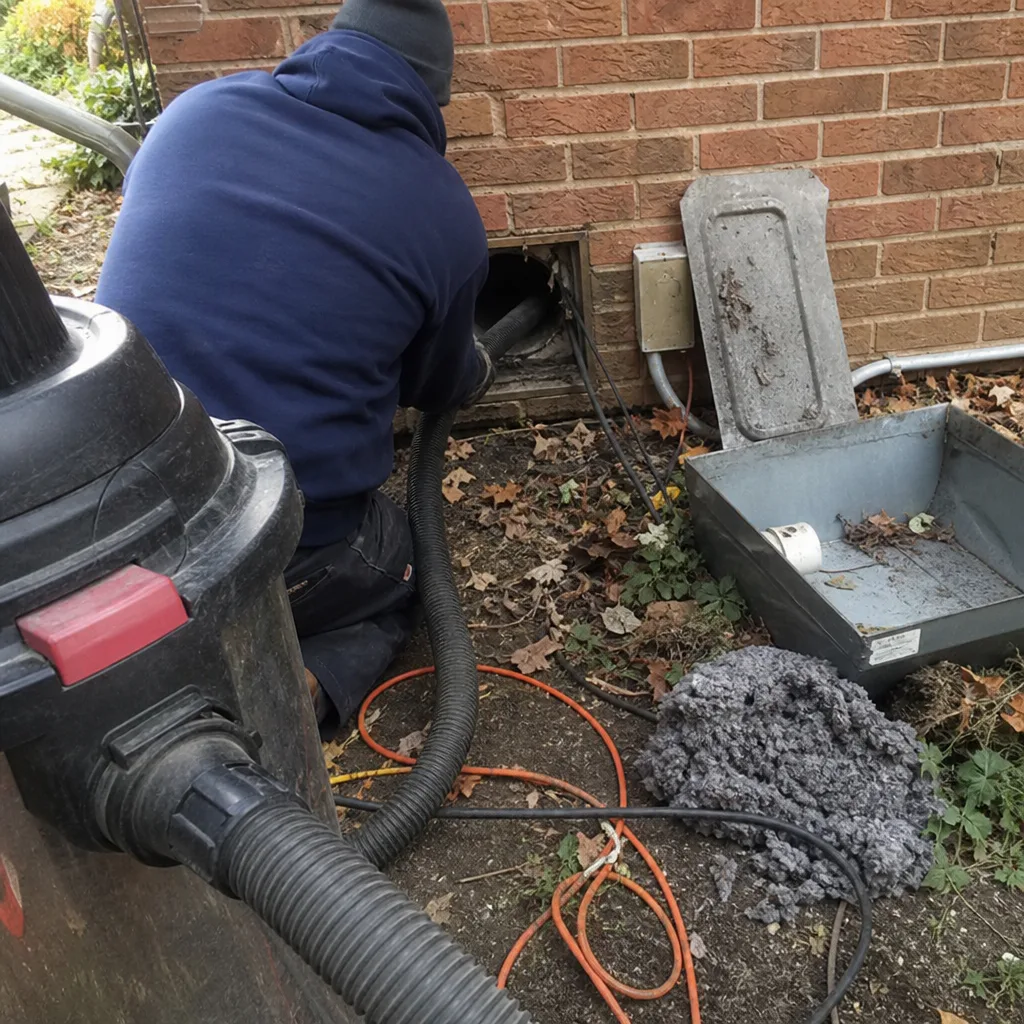 Before
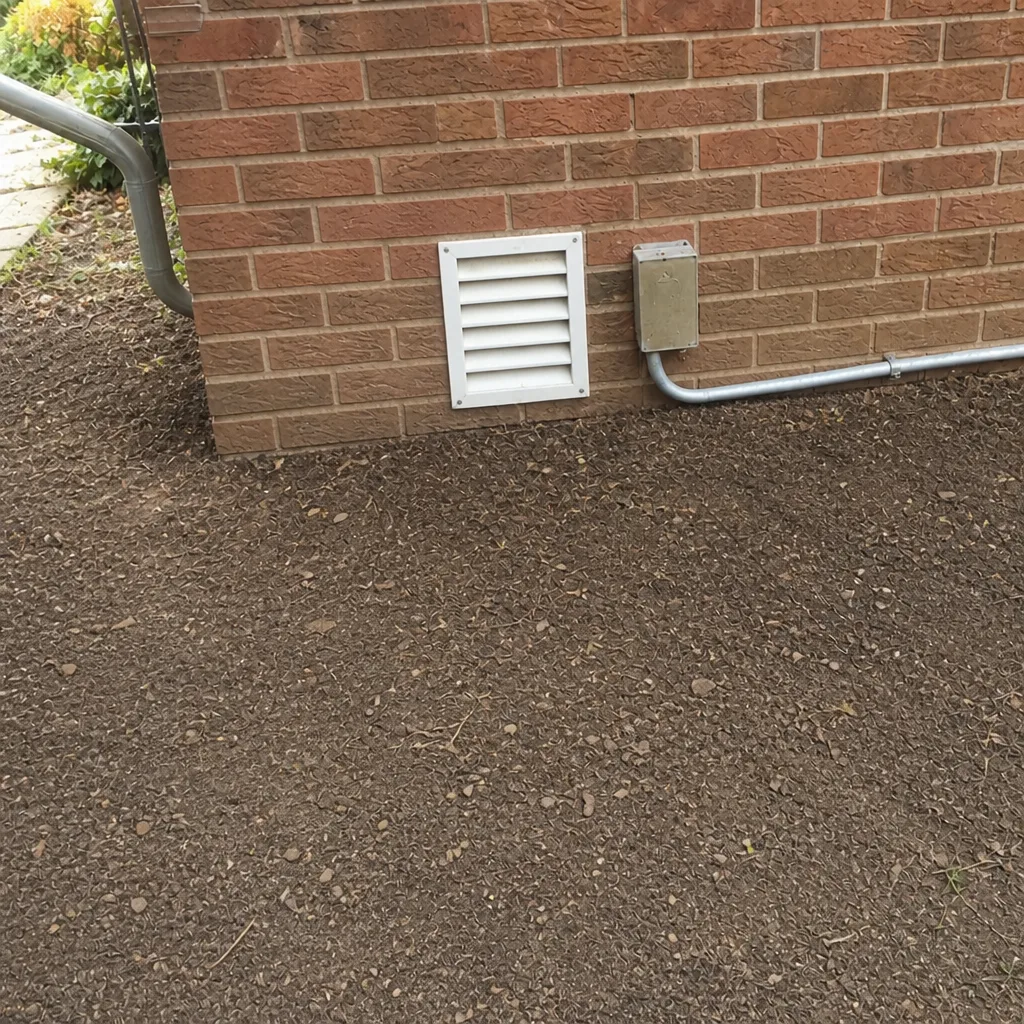 After
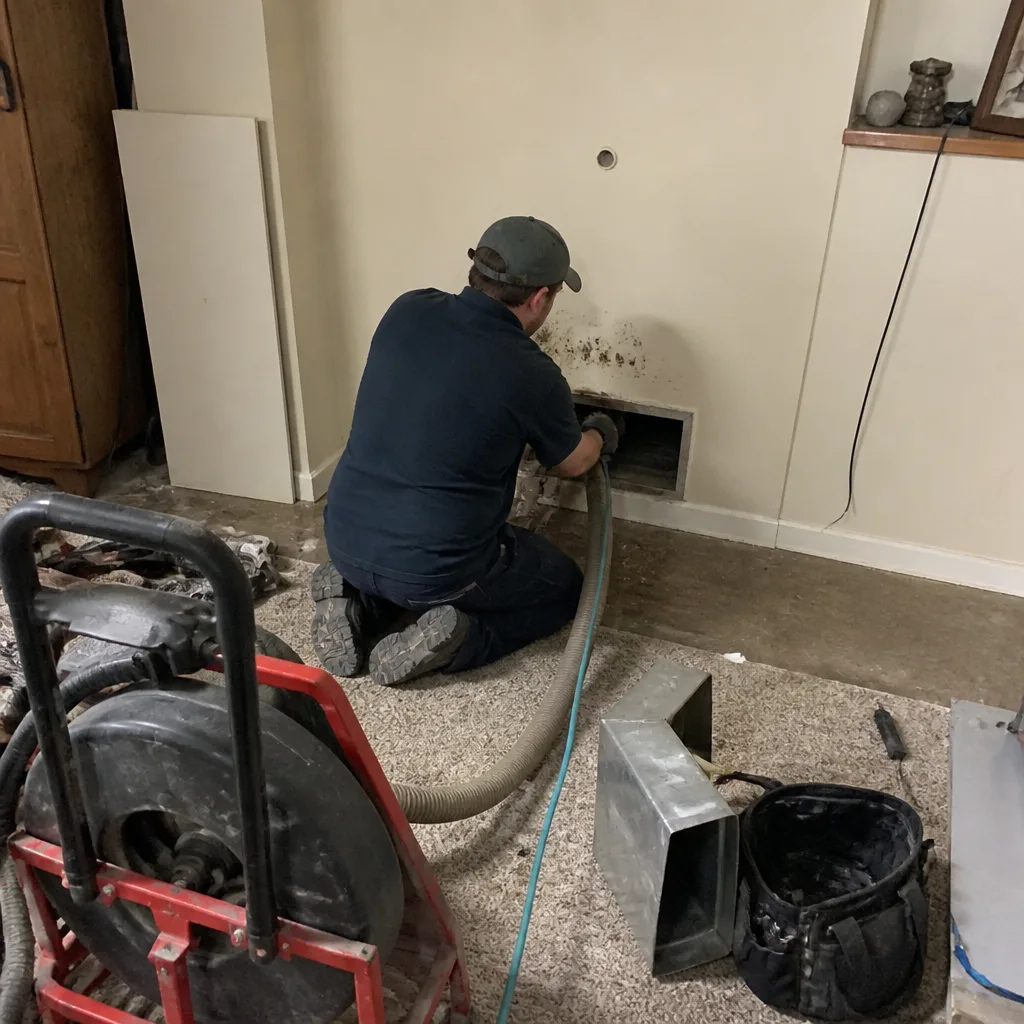 Before
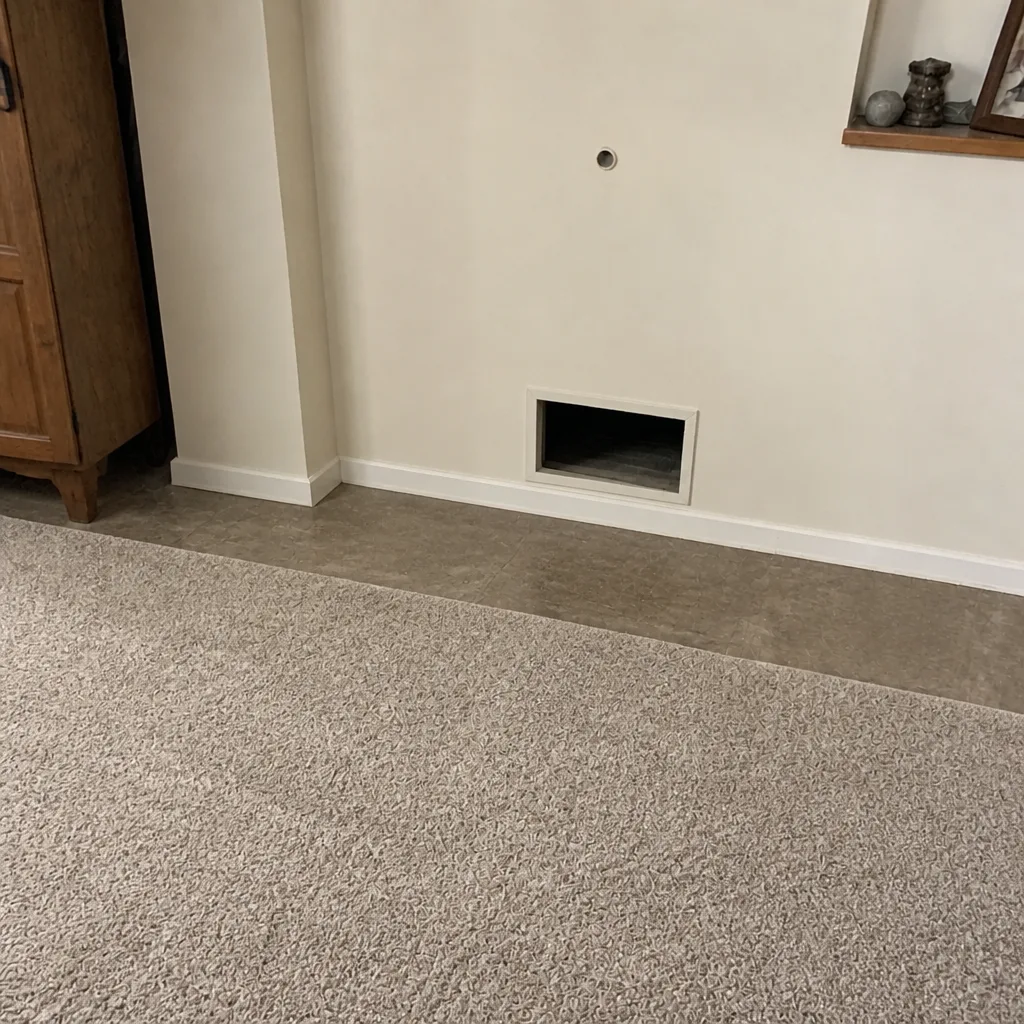 After
 Before
 After