
Last updated November 14, 2026
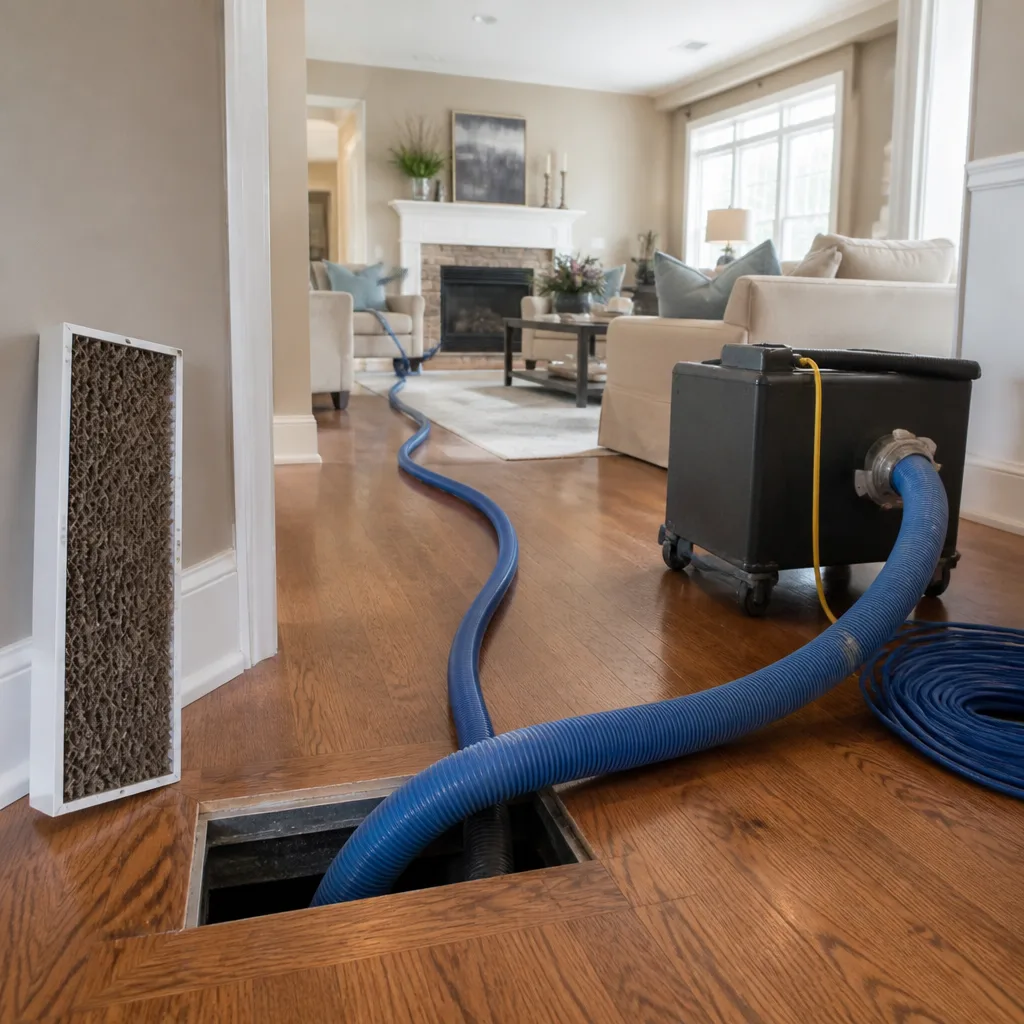 Whole-home duct cleaning
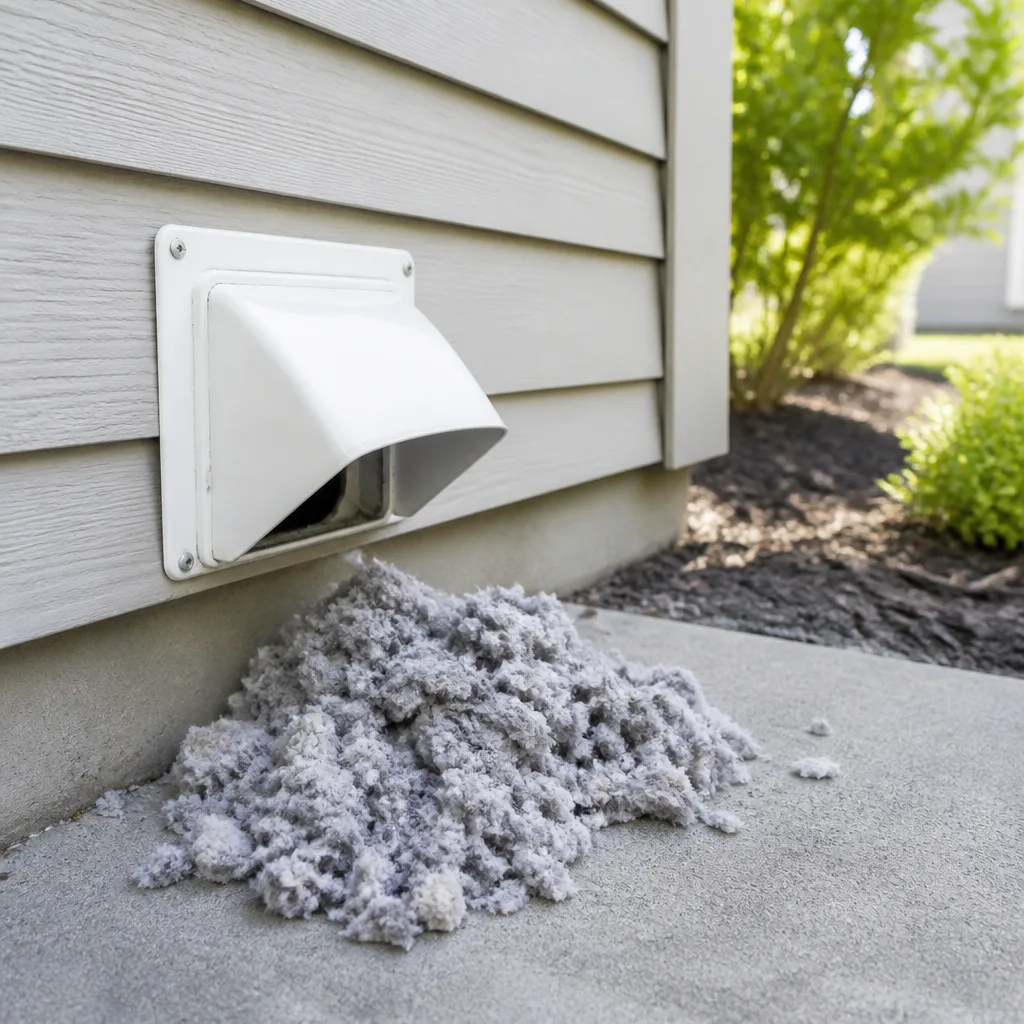 Dryer vent cleaning
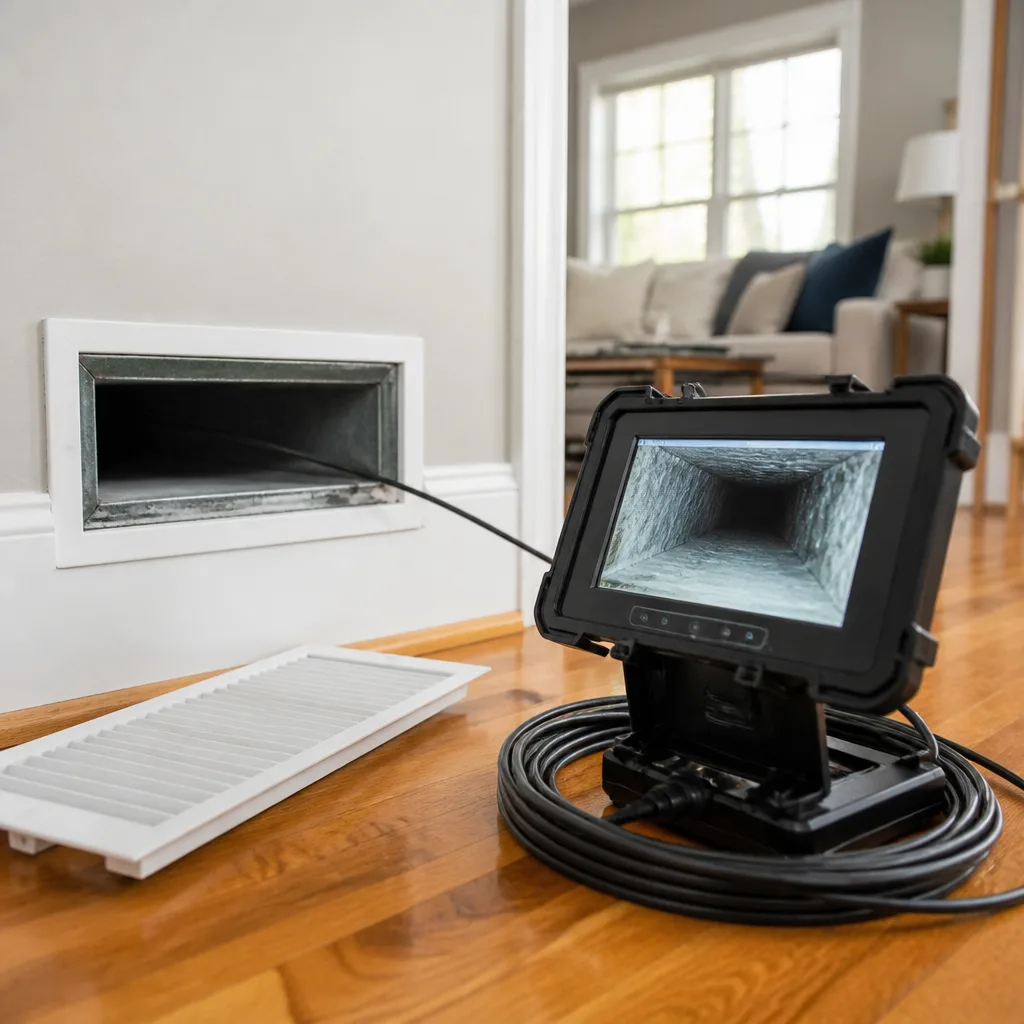 Camera inspection
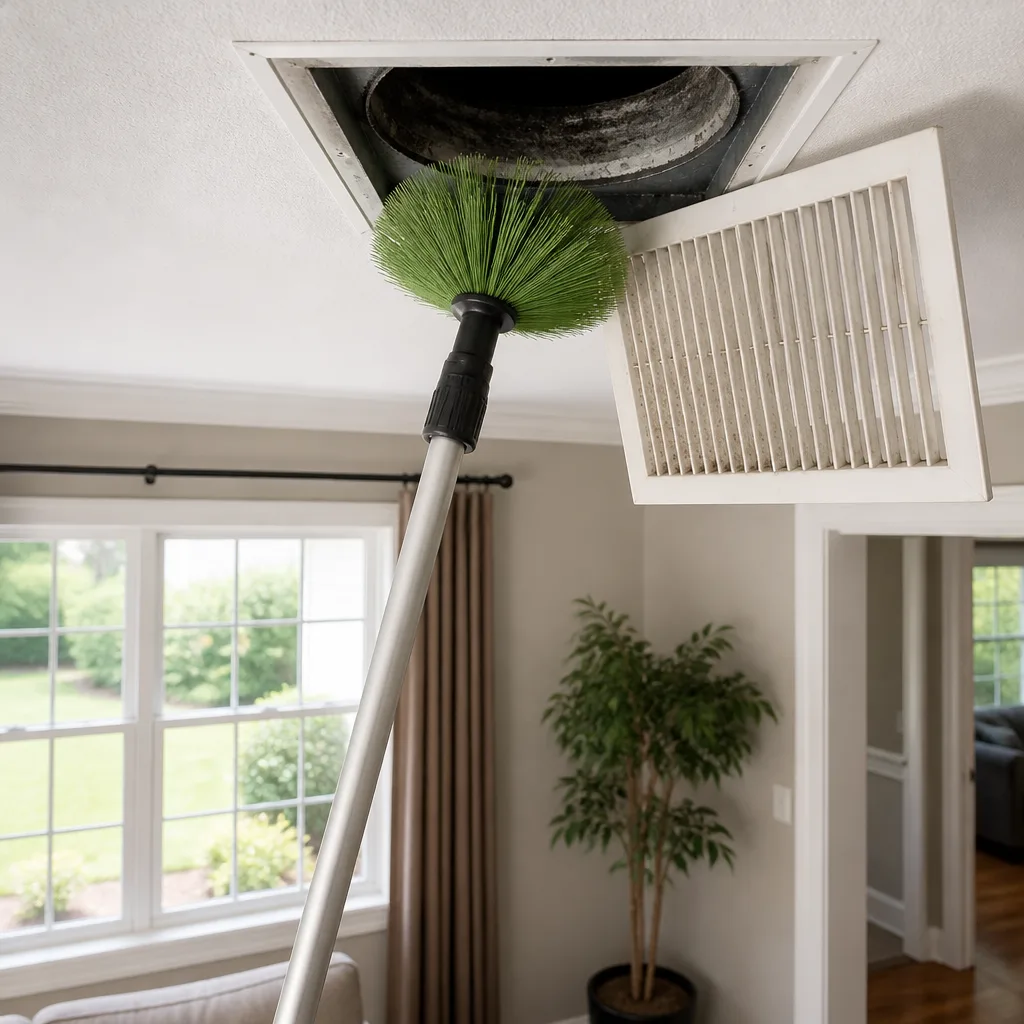 Sanitizing & deodorizing
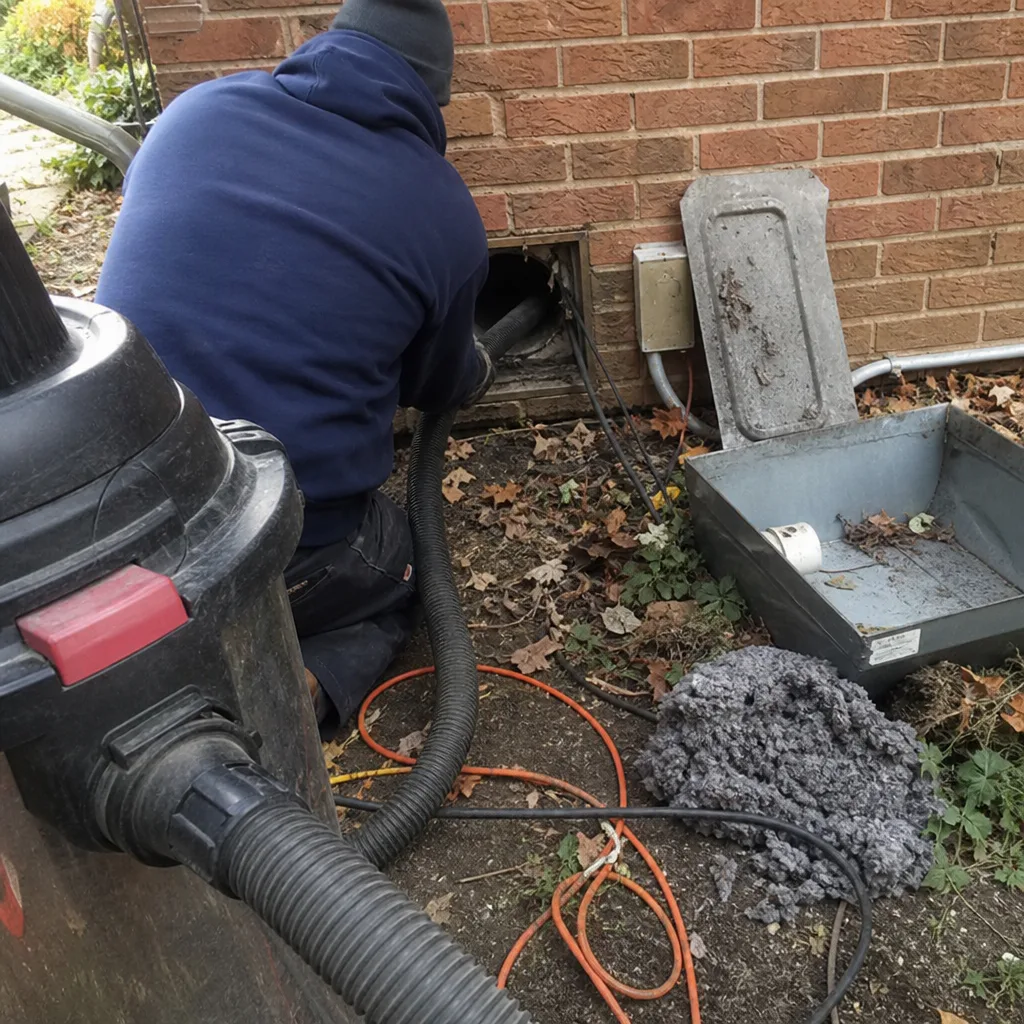
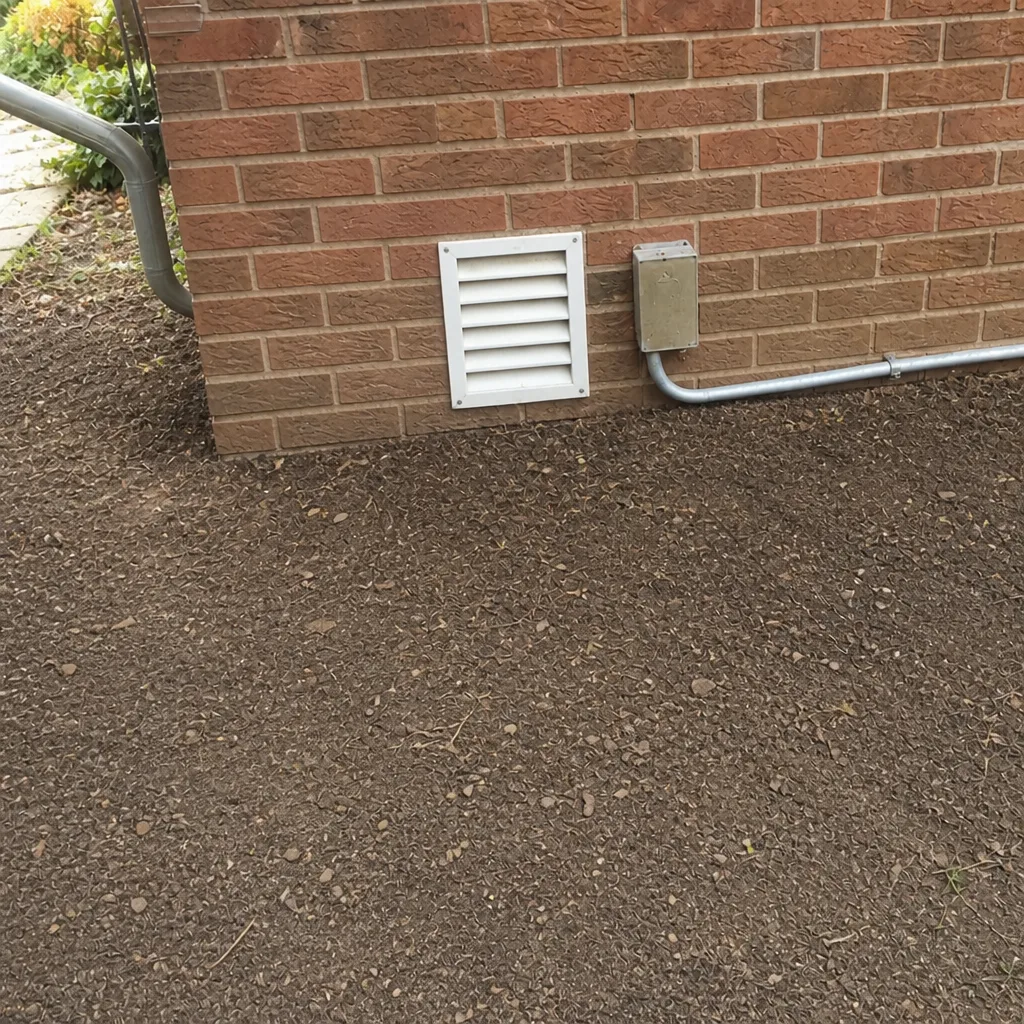
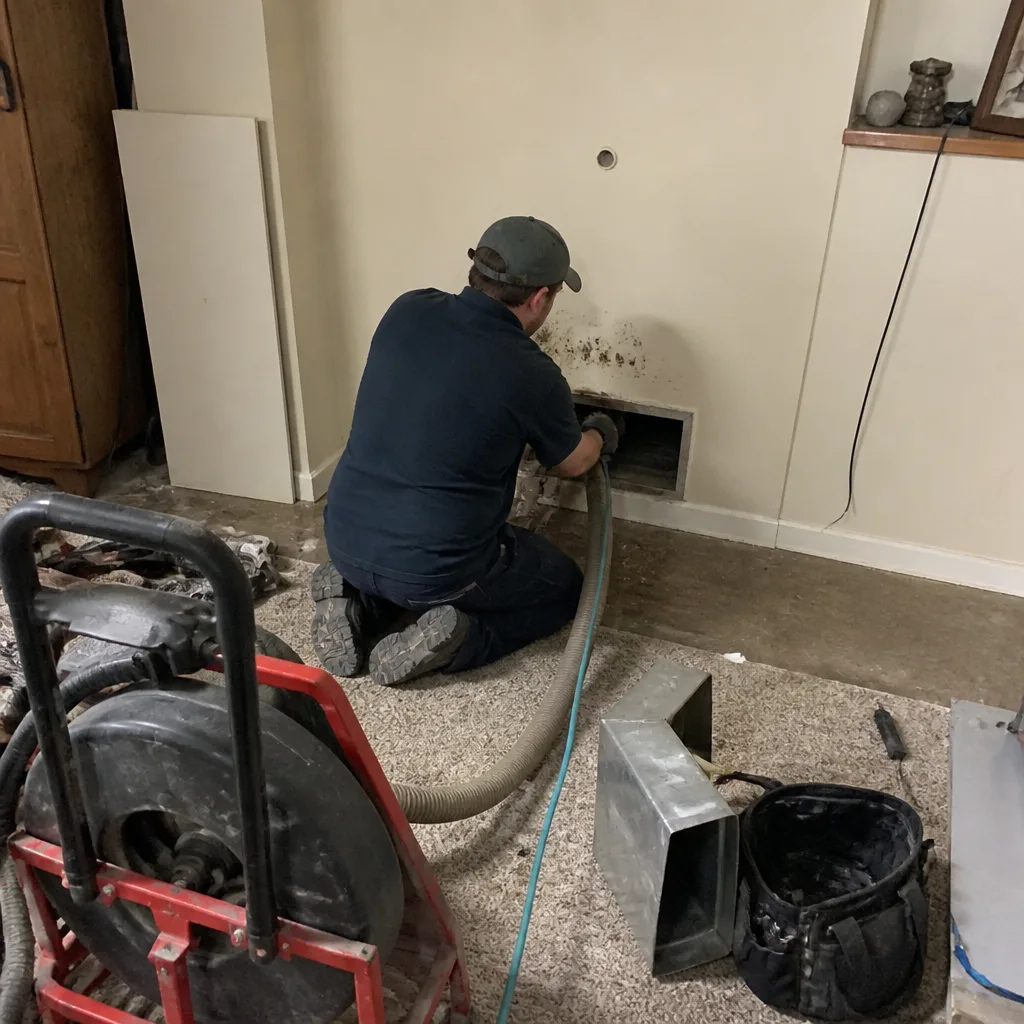
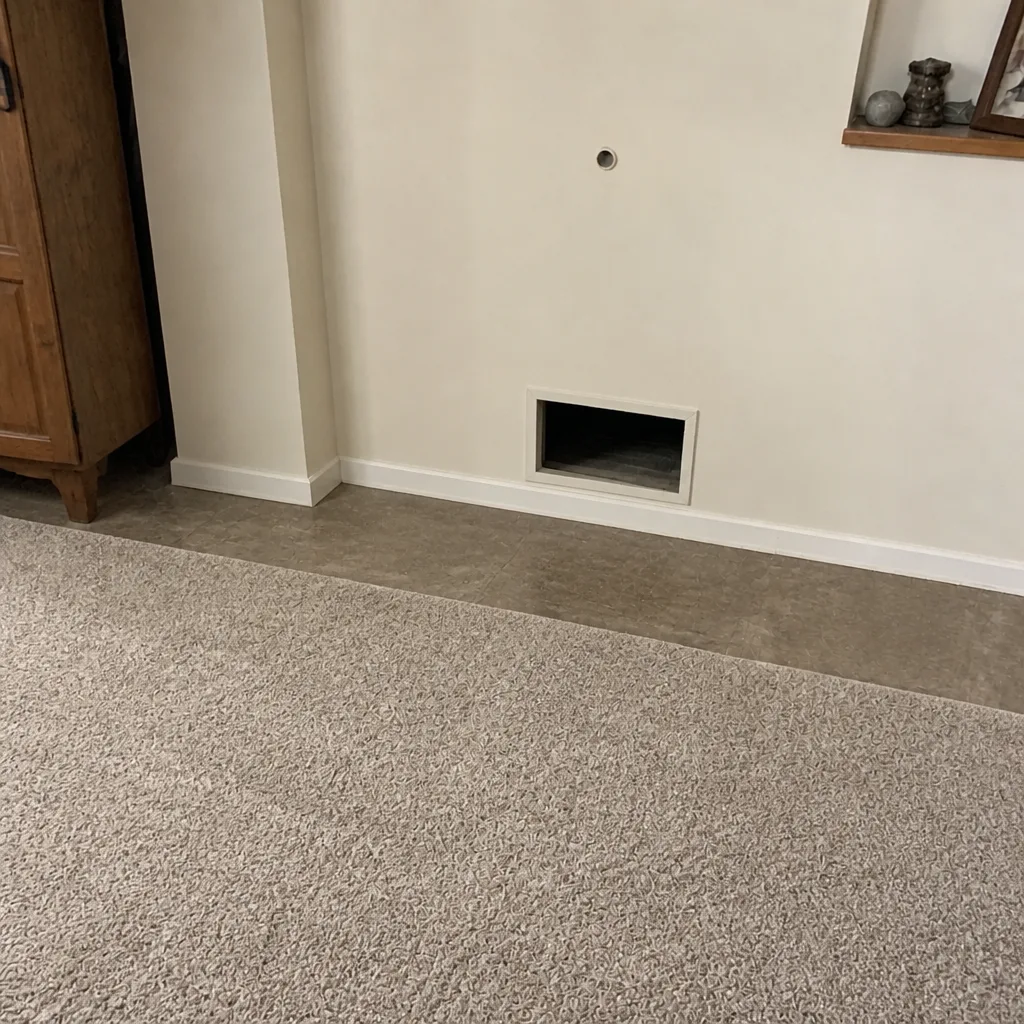
Whole-system duct and dryer vent check with before-and-after photos - you see exactly what came out of your vents
That "$99 whole-house special" is a bait ad - the real number appears once they are in your hallway, or the "clean" is a shop-vac at the register. We photograph the inside of your ducts before and after instead.
How to Hire an Air Duct Cleaning Contractor in Louisville: A Step-by-Step Guide
Kentucky doesn’t require a specific license to clean air ducts. Any person with a shop vac, a ladder, and a website can legally advertise duct cleaning in Louisville today. That’s not a knock on the trade; it’s the reality of an unregulated service category, and it means the quality filter is entirely on you. The interview you run before someone steps into your home is the only real safeguard that exists. This guide gives you that interview: the equipment questions that separate a professional operation from a van with a nozzle, the quote language that hides scope gaps, the Louisville-specific red flags worth walking away from, and the documentation you should demand before you pay. We wrote it as a contractor who does this work, because we’d rather homeowners know how to vet us than not.
Quick Answer
To hire an air duct cleaning contractor in Louisville, ask five things before booking: the vacuum’s CFM and negative-pressure capability, the brush type matched to your duct material, whether camera inspection is included, how they seal the system during cleaning, and what written documentation you’ll receive afterward. Verify NADCA membership as one data point, not a rubber stamp, and insist on a written scope of work that names what will and won’t be cleaned with a flat price per system, not a per-vent rate. The company that answers all of this clearly, in writing, is the one to hire.
Styles & brands we work with
- Whole-home duct cleaning
- Dryer vent cleaning
- Camera inspection
- Sanitizing & deodorizing
Table of Contents
- Why Louisville Homeowners Have to Vet Duct Cleaners Themselves
- The Five Equipment Questions to Ask Before You Book
- What NADCA Membership Actually Verifies (and What It Doesn’t)
- How to Read a Duct Cleaning Quote Line by Line
- Red Flags Specific to the Louisville Market
- The Step-by-Step Hiring Process
- Post-Job Documentation: What You Should Receive
- Common Mistakes to Avoid
- When to Call a Professional
Why Louisville Homeowners Have to Vet Duct Cleaners Themselves
Most trades have a gate. Electricians, plumbers, and HVAC installers in Kentucky work under licensing boards with exams and continuing education requirements. Duct cleaning has no such gate. There is no state-issued duct cleaning license, no exam, and no required certification to hang a shingle. That’s the single most important fact in this guide, and it changes how you should shop.
It means the phrase “licensed and insured” is a weak filter here, because a contractor can be licensed for general business purposes and still have no training in duct systems. It means a low price tells you nothing about what’s happening inside the ductwork. And it means the burden falls on you to ask sharper questions than the ones on the usual checklist.
Louisville adds a few wrinkles. The Ohio Valley’s humid summers and cold, damp winters mean ducts in this region see wide swings in temperature and moisture over a year, and older homes in neighborhoods like the Highlands, Old Louisville, and Clifton often carry galvanized ductwork that’s been in place for decades. Flexible duct runs added during later renovations are common too. A contractor who can’t tell you how they handle each duct material isn’t equipped for the range of housing stock here.
We’re a Louisville company, and we’ve walked into systems where a prior cleaning left the plenum untouched or coated the flex runs with so much agitation they started to degrade. None of that is visible from the street. Vetting is how you avoid it.
The Five Equipment Questions to Ask Before You Book
This is the section to screenshot. The equipment a company uses is the most honest predictor of the work you’ll get, and almost no homeowner asks these questions. Ask them.
1. What’s the CFM rating and negative-pressure setup on your vacuum?
A cleaning vacuum needs enough airflow to move debris out of the system while keeping the home under negative pressure so the dislodged dust goes into the machine, not your living room. Ask for the CFM rating and whether they run a HEPA-filtered negative-air setup. Consumer shop vacs and truck-mounted units without proper filtration don’t hold negative pressure on a whole-house system. Professional equipment like Nikro HEPA negative-air extraction exists precisely for this job.
2. What brush type do you use, and how do you match it to my duct material?
Sheet metal, flex duct, and duct board each need different contact tools. A stiff rotary brush run through flexible duct can shred the liner. Rotary contact cleaning systems such as those from Rotobrush are designed to be adjusted by material, and a technician should be able to tell you which brush head they’ll use on which run of your system.
3. Is camera inspection included, or is it extra?
Camera inspection shows what’s actually inside the ducts before anyone starts, and it’s how you know the cleaning addressed the real problem. If a company charges extra for it or skips it, you’re buying work you can’t verify. Reputable contractors show you the camera footage on the day.
4. How do you seal the system during cleaning?
Every return and supply register that isn’t actively being cleaned needs to be sealed, or you’re just redistributing dust. Ask how they handle registers, the plenum, and the air handler opening.
5. Can you work around the IAQ equipment already in my home?
Many Louisville homes have filtration or air-quality components installed inline. If the technician isn’t fluent in brands like Honeywell or Aprilaire equipment, there’s a risk of damaging or bypassing it during the cleaning. Ask directly whether they’re trained to work with the systems you already own.
What NADCA Membership Actually Verifies (and What It Doesn’t)
NADCA is the National Air Duct Cleaners Association, and its membership is a legitimate data point. It signals a company has committed to a published standard of care, and many members hold the ASCS (Air Systems Cleaning Specialist) credential, which involves training and an exam. That’s worth weighing.
Here’s what it doesn’t do. It doesn’t license anyone, it doesn’t replace a state regulator, and a membership badge on a website is not an inspection of the work done in your home. Membership is self-maintained and varies by company in how rigorously the standard is applied on every job. So use it as one input, not a rubber stamp.
What to pair it with:
- A clear written scope of work (see the next section).
- A straight answer on equipment, using the five questions above.
- Willingness to show before-and-after photos of your own system.
- A company that repairs what it finds rather than only cleaning and reporting. Not every member offers repair, and it matters if the inspection turns up separated joints or crushed runs.
The combination, not the badge alone, is what tells you whether the company is equipped for the job. For homeowners ready to compare options in the city, our air duct cleaning service page lays out exactly what a full-system cleaning includes, which is useful as a benchmark against any quote you receive.
How to Read a Duct Cleaning Quote Line by Line
Vague quotes are where scope gaps hide. The word “full cleaning” can mean anything from a full system with camera inspection and documented before-and-after photos to a quick pass with a vacuum on the visible registers. If the quote doesn’t say, assume the lighter version.
A scope-of-work document for a typical residential job should genuinely specify:
- Number of systems and zones. A home with two HVAC systems is two jobs, not one, and the quote should reflect that.
- Supply, return, and plenum coverage. The plenum (the box connecting the ductwork to the air handler) is often skipped by cheaper operators, and it’s one of the dirtiest parts.
- Register and grille count. Name the number being cleaned and sealed.
- Access method. Where will they cut access points, and how will they seal them afterward?
- Inspection method. Camera, and included in the price.
- Equipment named. The vacuum and brush systems used.
- What’s excluded. If the quote doesn’t cover dryer vent cleaning or duct repair, say so explicitly.
- Flat price per system. One number for the whole job, agreed before work starts.
Per-vent pricing is the single most common quote format you’ll encounter, and it’s the one to scrutinize hardest: the rate per vent can be set low and the final scope large. A flat price per system removes that ambiguity entirely.
Red Flags Specific to the Louisville Market
Some red flags are universal; a few are worth naming because they show up so often in this market.
- Bait-and-switch per-vent pricing. A low advertised rate per vent that balloons into a much larger invoice once the crew is inside and says the system needs more work than quoted. If the price isn’t flat per system before anyone arrives, ask why not.
- Upselling mold treatments on every job. Mold remediation is a specialized service requiring its own protocol. A company that recommends a mold treatment before it has even inspected the system, or that recommends it on every job regardless of findings, is selling a product, not a service. Any credible recommendation follows a documented finding.
- No camera, no photos. If a contractor can’t show you before-and-after images of your own ducts, there’s no way to know what was cleaned.
- No repair capability. If the inspection turns up a separated joint or a crushed flex run, a cleaning-only company reports it and refers you elsewhere. That’s a second contractor, a second visit, and a system that was cleaned but not fixed. Ask upfront whether they repair ductwork themselves.
- Pressure to decide on the spot. A legitimate crew will give you a written estimate you can review. High-pressure urgency is a sales tactic.
- No mention of dryer vents. Clogged dryer vents are a leading cause of residential fires according to the NFPA. A company with a real grip on home air safety should be able to talk about dryer vent cleaning as a distinct service with its own risk profile.
The Step-by-Step Hiring Process
Here’s the sequence we’d follow if we were hiring a duct cleaning crew for our own home.
- Identify the trigger. Know why you’re cleaning. Allergies, a new baby, a musty smell, an older home with unknown duct history, or an inspection flag. The trigger shapes what you need and what the scope should include.
- Shortlist three companies. Look for companies that offer cleaning and repair, and that can name their equipment.
- Ask the five equipment questions. A company that answers clearly and specifically is worth booking. One that deflects or gives generic answers isn’t.
- Request a written estimate. Insist on flat price per system and a scope that includes supply, return, plenum, register count, inspection method, and what’s excluded.
- Confirm the documentation. Ask what you’ll receive after the job: photos, condition report, statement of what was and wasn’t cleaned.
- Ask how they’ll handle repair findings. If the inspection turns up damage, will they fix it, or will you be calling someone else?
- Book, and be present early. Watch the camera inspection and the setup. The first ten minutes tell you a lot.
- Review the documentation before you pay. Compare the before-and-after photos, read the condition report, and confirm every line of the scope was done.
If you’re comparing options across the metro, our Louisville page breaks down what we cover across the area, and it’s a useful reference for local scope expectations.
Post-Job Documentation: What You Should Receive
The job isn’t finished when the vacuum stops. A contractor who is confident in the work will document it, and that documentation is your proof and your leverage if something’s off. Expect three things.
- Before-and-after photos of your own ducts. Not stock images, not generic “after” photos of someone else’s system. Yours, with your register locations visible where possible.
- A written system condition report. What the inspection found, what was cleaned, and what condition the ductwork is in. Separated joints, crushed flex runs, and aging duct board should all be named if present.
- A statement of what was and wasn’t cleaned. If the dryer vent wasn’t part of the job, it should say so. If a section of ductwork was inaccessible, it should say so. Ambiguity after the fact is where disputes start.
Ask for all three in writing before booking. A company that offers them proactively is a good sign; one that doesn’t have a process for documentation is telling you something too.
A final note: some companies can also work alongside filtration components from brands like Honeywell, Aprilaire, or Abatement Technologies already installed in the home. If yours has them, ask during the walkthrough how the cleaning will interact with that equipment, and get it in the condition report.
Common Mistakes to Avoid
- Hiring on price alone. The lowest bid is often the one using underpowered equipment and skipping the plenum. Price matters, but scope matters more.
- Skipping the equipment questions. This is the single highest-value step in the whole process. If you only ask one thing, ask what vacuum and brush system they’ll use and why they chose them for your duct material.
- Accepting a per-vent rate without confirming what’s covered. Per-vent pricing is fine only when the scope and the total are locked in writing beforehand.
- Letting a mold upsell land without a documented finding. A treatment recommendation should follow a camera inspection and a written explanation. If it arrives before either, decline.
- Not asking about repair capability. A cleaning crew that can’t fix a separated joint leaves you with a clean system and the same leak, and the second call is on you.
- Skipping the dryer vent. If it’s been years since the dryer vent was checked, bring it into the same conversation. It’s a fire-safety service, not a convenience add-on.
- Paying before the documentation arrives. Review the photos, condition report, and scope completion before you settle the bill.
When to Call a Professional
Some duct problems show up as obvious symptoms. If you’re smelling a musty or stale odor when the system runs, if household dust levels spike soon after a cleaning, if anyone in the home has developed a new sensitivity to the air, or if a recent home inspection flagged the ductwork, it’s time to call. The same is true if you’re about to move into an older Louisville home with no known duct history, or if a renovation has recently finished and construction debris may have found its way into the returns. Other signs: uneven airflow between rooms, a dryer that takes two cycles to dry a load (a sign of a clogged vent), or visible damage to flex duct runs.
Dayspring Air Duct Cleaning offers free estimates in Louisville – call (877) 517-3289. We answer 24/7, with fast dispatch from 7am to 7pm, Sunday through Friday.
See the difference
 Before
 After
 Before
 After
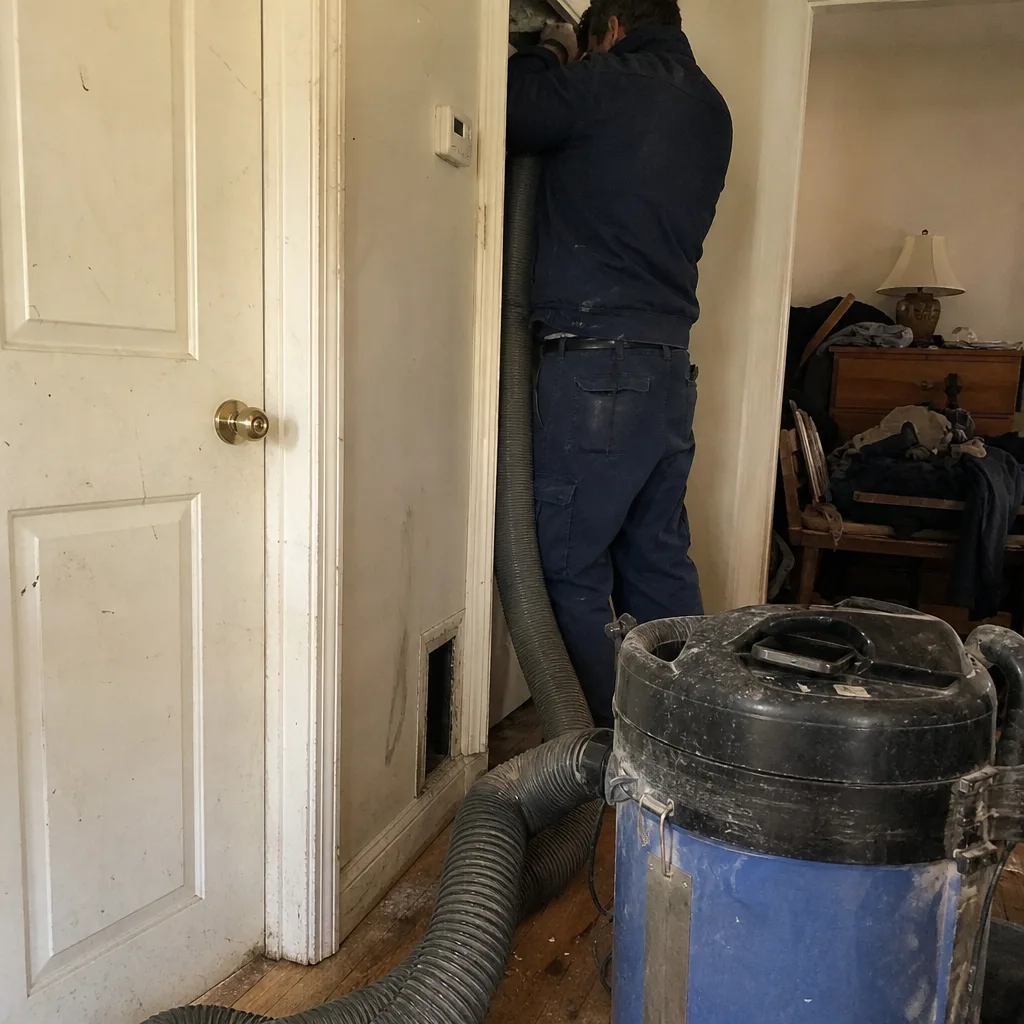 Before
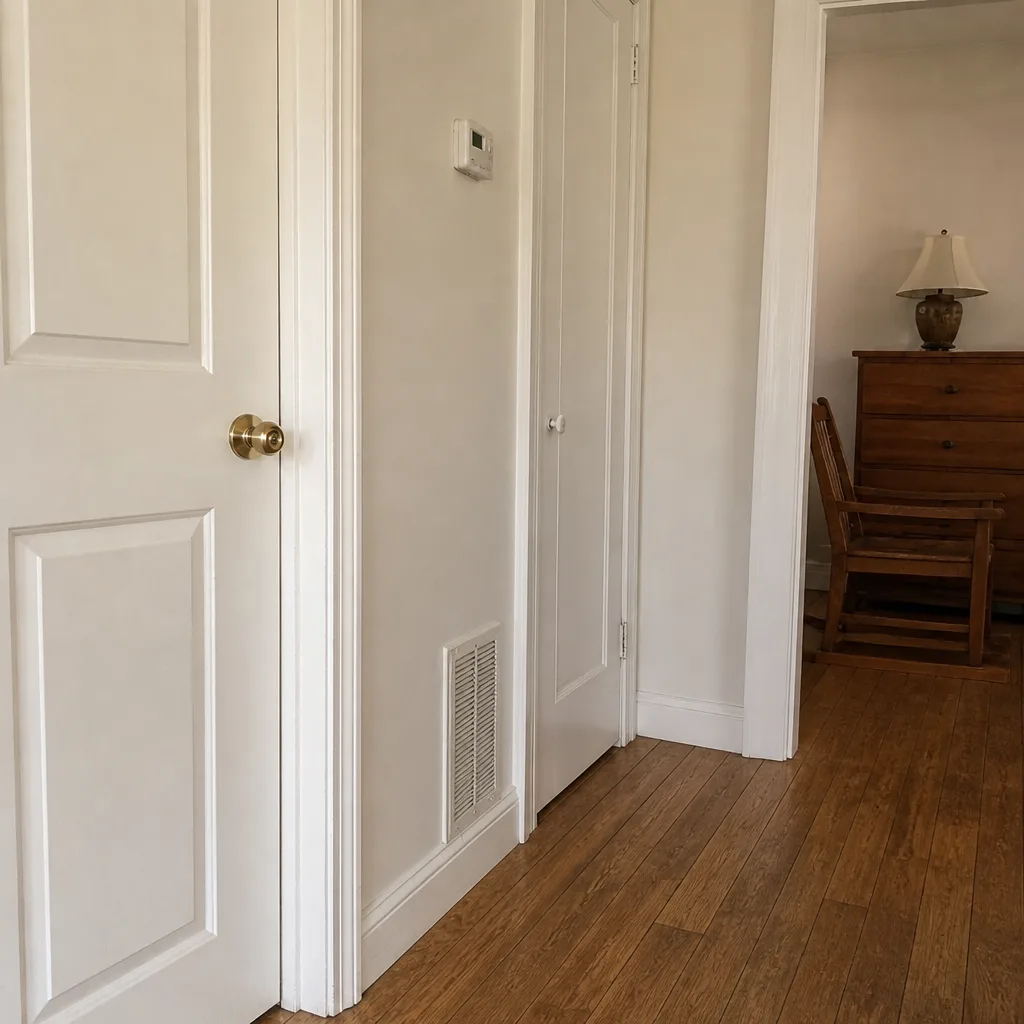 After
Frequently Asked Questions
Kentucky does not issue a specific duct cleaning license, so there’s nothing to check at the state level for this trade. Instead, ask about equipment, NADCA membership, written scope of work, and documentation. Those are the real filters.
Pricing varies with the number of systems, register count, and whether repair is needed, which is why a flat price per system in writing is the right anchor, not a rate per vent. We don’t quote teaser rates. Call (877) 517-3289 for an exact quote on your home – estimates are free.
Cheaper quotes usually mean underpowered equipment, no camera inspection, no plenum cleaning, and no post-job documentation. The scope is smaller, and the finished job shows it. Call (877) 517-3289 and we’ll walk you through what a proper full-system cleaning covers.
NADCA membership signals a company has committed to an industry standard of care, and many members hold the ASCS credential. It’s a useful data point, but it doesn’t replace a written scope and equipment questions. Treat it as one input among several.
Before-and-after photos of your own ducts, a written system condition report, and a clear statement of what was and wasn’t cleaned. Ask for all three before booking. Call (877) 517-3289 if you’d like to see an example of what we provide.
Most homes don’t need it on a fixed schedule. Trigger events matter more: recent renovation, a new pet, an older home with no duct history, visible debris in the returns, or a musty smell when the system runs. Those are the moments to book. Call (877) 517-3289 for a free estimate and we’ll tell you honestly whether the cleaning is warranted.
Yes. Air duct repair is one of our core services, so we fix what we find rather than just reporting it. If the camera inspection shows a separated joint or crushed flex run, we can address it in the same visit. Call (877) 517-3289 to discuss.
The Bottom Line
The duct cleaning industry in Louisville is largely unregulated, so your interview is the only quality filter you get. Use the five equipment questions, treat NADCA membership as one data point, demand a flat price per system in writing, and insist on before-and-after photos plus a condition report. Walk away from per-vent bait-and-switch pricing and mold upsells that arrive before any inspection findings. Hire the company that answers your questions specifically and documents its work. For a Louisville duct system, the vetting process you run before anyone arrives is what protects the air you breathe afterward.
Dayspring Air Duct Cleaning offers Dayspring Air Duct Cleaning services across Louisville with professional-grade equipment from Rotobrush and Nikro, and we repair what we find. Call (877) 517-3289 for a free estimate. We answer 24/7. Fast dispatch from 7am to 7pm, Sunday through Friday.
Written by the team at Dayspring Air Duct Cleaning, serving Louisville since 2013.