
Last updated November 14, 2026
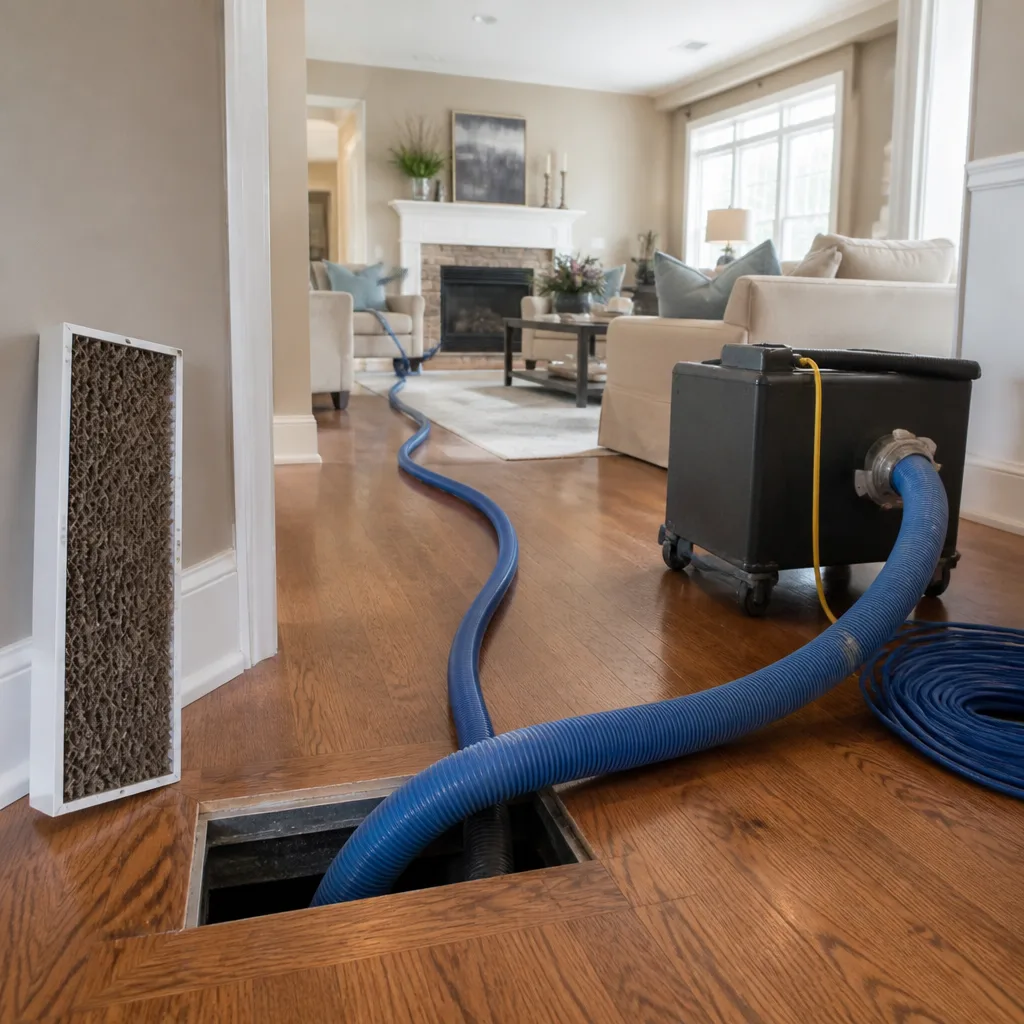 Whole-home duct cleaning
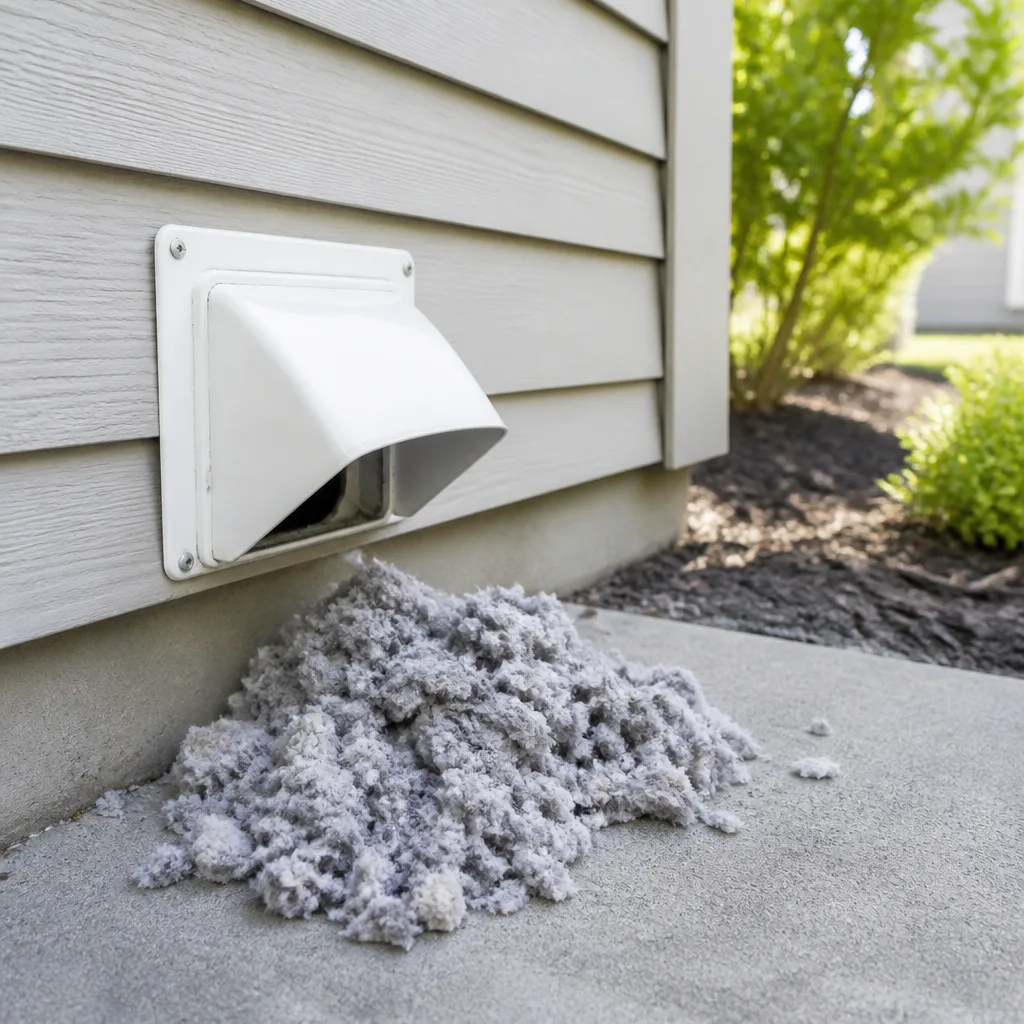 Dryer vent cleaning
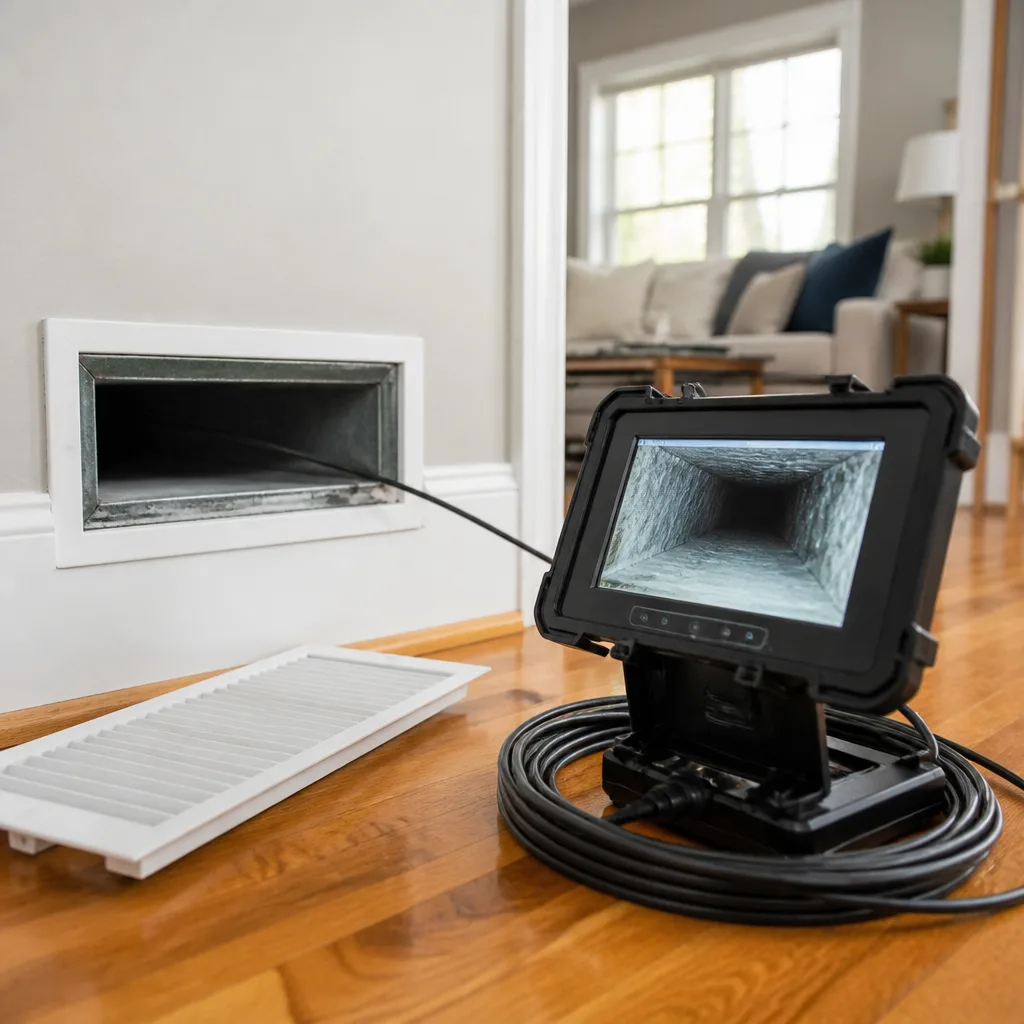 Camera inspection
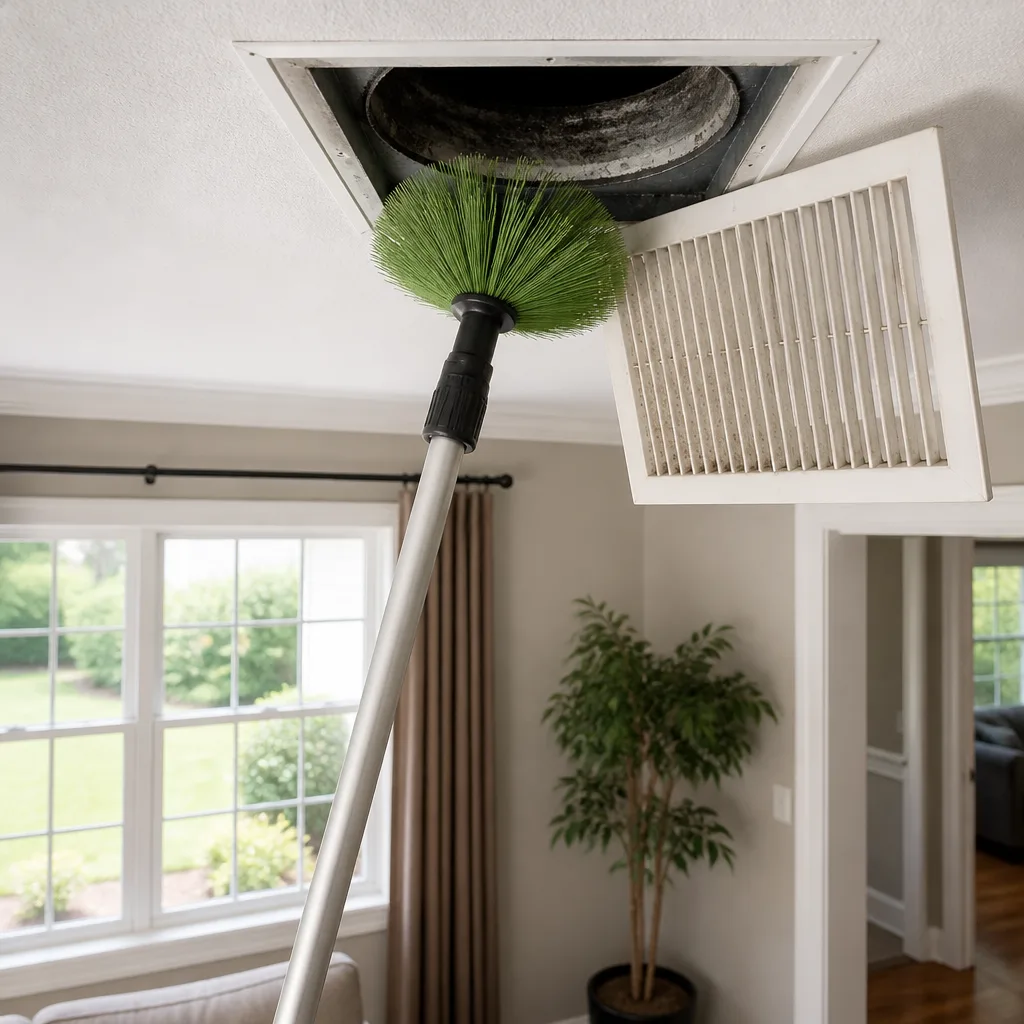 Sanitizing & deodorizing
Whole-system duct and dryer vent check with before-and-after photos - you see exactly what came out of your vents
That "$99 whole-house special" is a bait ad - the real number appears once they are in your hallway, or the "clean" is a shop-vac at the register. We photograph the inside of your ducts before and after instead.
The Complete Guide to Air Duct Cleaning in Louisville
Most air duct cleaning advice you’ll find online was written for a house in Phoenix or Denver. Dry air, slab foundations, ducts that never see a humid summer. Louisville isn’t that city. Here, the Ohio River Valley holds moisture and pollen in the air for months, and much of the housing stock predates the 1980s construction boom. That combination creates a contamination profile you won’t find in a national checklist, which is why a Louisville homeowner should think about their ductwork as its own diagnostic case, not a generic one. In this guide we’ll cover how humidity and pollen load a Louisville system, what the NADCA ACR standard actually requires, how older mixed-material ducts behave differently from modern ones, and why a full system map beats a per-vent price every time.
Quick Answer
Air duct cleaning in Louisville means removing settled dust, pollen, and microbial buildup from the entire duct system, not just the visible vents, using negative-pressure HEPA extraction and rotary contact cleaning that meet the NADCA ACR standard. Because Louisville’s humidity and spring pollen season load return-side ducts faster than supply runs, a proper job starts with a full system inspection and a written scope. Expect a whole-system estimate based on your home’s layout and duct materials, never a flat per-vent price.
Styles & brands we work with
- Whole-home duct cleaning
- Dryer vent cleaning
- Camera inspection
- Sanitizing & deodorizing
Table of Contents
- Why Louisville Ducts Are Different
- How Humidity Drives Microbial Growth Inside Flex Duct
- Mixed Duct Systems in Older Louisville Homes
- What the NADCA ACR Standard Actually Requires
- Spring Pollen and the Return-Side Duct
- Why a System Map Beats a Per-Vent Quote
- The Equipment That Separates a Real Clean From a Vacuum
- Dryer Vents: The Safety Service Most People Skip
Why Louisville Ducts Are Different
Louisville sits in the Ohio River Valley, and that geography shapes what ends up in your ductwork. Average relative humidity here runs high through the warmer months, well above the dry-climate benchmarks most national guides assume. That moisture doesn’t just make the air feel heavy; it changes what grows and settles inside a duct system. Add a long spring pollen season and a housing stock where a large share of homes were built before the 1980s boom, and you get a set of conditions that generic advice simply doesn’t address.
The practical result is that a Louisville system tends to carry two things at once: fine organic material, mostly pollen and dust, and a moisture profile that lets some of that material stay biologically active rather than drying out. Ducts in a dry climate often just hold dust. Ducts here can hold dust that’s been damp.
- Humidity: sustained seasonal moisture favors microbial growth on any surface that stays cool and damp.
- Pollen load: the valley traps spring pollen, which enters through returns and filters faster than in open, windy terrain.
- Housing age: older brick construction and mixed duct materials change how air moves and where debris settles.
- Return-side pressure: returns pull harder and load faster, so they collect contamination ahead of the supply runs.
None of this is a reason to panic. It’s a reason to inspect before you clean, and to clean the whole system rather than the grilles you can see. When people ask us why a Louisville job looks different from a job in a drier city, this is the answer: the contamination has a local signature, and the work should match it.
How Humidity Drives Microbial Growth Inside Flex Duct and Fiberglass-Lined Trunks
Flex duct is corrugated, and that corrugation is the whole problem. Air moving through a ribbed interior leaves fine particles in the low spots, and in a humid Louisville summer those deposits stay damp long enough for microbial growth to take hold. Fiberglass-lined trunk ducts behave with a similar weakness. The lining is there for sound and thermal reasons, but its porous surface holds moisture and dust in a way bare sheet metal does not.
The sequence is predictable. Moisture enters the system through humid outdoor air pulled in during mild weather, through slightly leaky connections, and through condensate near the air handler. In a dry climate, that moisture dries out between cycles. In Louisville, the dew point stays high enough that the interior of a duct can remain damp for long stretches. Once the lining or the flex corrugation is damp, settled dust becomes a food source rather than inert debris.
That’s why a wet-vac pass over the visible opening doesn’t solve a Louisville problem. It removes the loose dust at the surface and leaves the damp contact layer in the corrugations and the lining. Rotary contact cleaning is the method that physically agitates that layer so it can be captured. Our approach uses the Dayspring Air Duct Cleaning process built around Rotobrush contact cleaning for exactly this reason: the brush reaches the corrugation, and the extraction captures what the brush loosens.
Here’s the warning sign most homeowners notice: a musty smell that shows up in summer and fades in winter. That pattern points to moisture-driven growth in the duct interior, not a dirty filter. If you change the filter and the smell returns every humid season, the ducts themselves deserve a look.
Mixed Duct Systems in Older Louisville Homes and Why Each Section Needs Its Own Approach
A large share of Louisville homes were built before the 1980s construction boom, and many of those homes have a duct system that’s actually two systems joined together. The common pattern is a rigid metal trunk line running through the basement or crawlspace, with flexible branch runs feeding individual rooms. Older renovations sometimes added to that, so you can find a house where one section is bare galvanized steel, another is flex, and a third is insulated or fiberglass-lined.
Each material needs a different cleaning approach, and that’s the part a quick vent-by-vent job ignores.
- Metal trunk lines tolerate aggressive rotary contact cleaning. The brush agitates the surface and the metal doesn’t tear.
- Flex branch runs need gentler agitation. Over-aggressive brushing can damage the inner liner, so the brush type and speed matter.
- Fiberglass-lined sections need care too, because the lining can degrade if it’s handled roughly, and a degraded lining becomes a contamination source itself.
- Junctions and transitions are where debris accumulates most, and where a poorly fitted connection can leak humid air into the system.
This is also where repair enters the picture. In older Louisville homes, cleaning often reveals a disconnected flex run, a crushed section, or a joint that was never sealed properly. A company that only cleans will report the problem and leave. We repair what we find, not just report it, which matters in a city where so much of the housing stock has had decades of small renovations and additions.
What the NADCA ACR Standard Actually Requires
The NADCA ACR standard, the recognized benchmark for duct cleaning, is more specific than most homeowners realize, and far more than most budget operators deliver. It’s worth knowing what it asks for so you can tell the difference between a real cleaning and a vacuum pass.
- Source removal: the standard calls for removing contaminants from the system, not sealing or encapsulating them in place.
- Negative pressure: the work area should be held under negative pressure so loosened debris is captured rather than pushed into the living space.
- HEPA filtration: the extraction equipment should filter at HEPA level, because ordinary vacuum filtration lets fine particles back into the room.
- Contact cleaning: surfaces need physical agitation, not just airflow, to release the bonded layer.
- Whole-system scope: supply, return, and the air handler area are all part of the system, and cleaning only the supply side is incomplete.
What a budget operator typically does instead is run a shop-style vacuum at each vent for a few minutes and call it done. There’s no negative-pressure enclosure, no HEPA filtration benchmark, and no contact cleaning. The dust at the grille disappears and the contamination inside the duct doesn’t move.
Equipment specifications are where this becomes measurable. Professional HEPA negative-air machines from Nikro are built to hold a sealed work area under negative pressure while filtering the exhaust, which is the standard commercial and industrial IAQ contractors work to. Rotary contact cleaning systems like Rotobrush are built to agitate the duct surface mechanically. Neither tool is a consumer shop vac with a longer hose. When you compare quotes, ask what negative-pressure equipment the company uses, and listen for whether the answer is specific.
Spring Pollen Season and the Return-Side Duct
Louisville’s spring pollen season loads the return side of a system faster than the supply side, and understanding why explains a lot about how your ducts get dirty. Returns are the intake. Every time the blower runs, air from the living space, along with whatever is riding in it, gets pulled through the return grilles first. During a heavy pollen season, that means a steady stream of fine organic particles entering the return path and settling on the interior surfaces before the air ever reaches the filter in some configurations.
There’s a second factor specific to a river valley. Pollen settles here rather than blowing through, so outdoor concentrations build in the air around homes during the season. Windows open in mild spring weather let it in, and the return pulls it straight into the duct path.
The practical signs that your returns are carrying the load:
- Visible dust streaks around return grilles that come back quickly after cleaning.
- Allergy symptoms that get worse when the system runs, especially in spring.
- A filter that loads up faster than the change interval suggests it should.
- Dust settling on surfaces near returns more heavily than elsewhere in the house.
This is one reason we like to see what’s inside the system before we start. A return-side duct that’s been loading all spring looks different from a supply run, and the cleaning scope should reflect that. If you’re already thinking about filtration (the air duct cleaning process pairs naturally with it), equipment from Honeywell and Aprilaire is common in Louisville homes and integrates cleanly with cleaning work, so filtration and duct hygiene can be addressed in the same visit rather than in two separate projects.
Why a System Map Beats a Per-Vent Quote
A per-vent price tells you nothing useful about your house. It tells you how many openings a company counted, which is not the same as how much duct you have, how accessible it is, or what condition it’s in. Two Louisville homes with the same number of vents can have very different duct layouts, and a per-vent price treats them identically.
A system map is the alternative, and it’s where any real job should start. Building one means tracing the actual layout of the system before any cleaning happens.
- Locate the air handler and the main trunk. Note how the trunk runs and where it branches.
- Trace every branch run to its room and record the material of each section, metal, flex, or lined.
- Inspect interior surfaces at each section with a camera so you’re looking at actual conditions, not guessing.
- Check connections and joints for disconnections, crushing, or unsealed gaps.
- Note the return path separately and record its condition, since returns often carry heavier loads.
- Write the scope. The map becomes the basis for a written estimate that covers the whole system.
This is what we mean by seeing what’s inside your system before we start. It’s also the honest answer to why quotes vary so much in this trade: a company that skips the map is guessing at scope, and a guess usually gets corrected upward once the van is in the driveway. A written scope agreed before work starts is the alternative. You can read more about how we approach Louisville homes and systems on the city page.
The Equipment That Separates a Real Clean From a Vacuum
You can learn a lot about a duct cleaning quote by asking what equipment shows up. The tools fall into two categories, and a complete job needs both. Contact cleaning tools agitate the duct surface. Negative-air extraction tools capture what’s loosened and hold the work area under pressure so nothing escapes into your home.
On the contact side, rotary brush systems from Rotobrush are built to work the interior of a duct mechanically, which is what releases the layer that’s bonded to the surface. On the extraction side, HEPA negative-air machines from Nikro are built to filter at HEPA level while maintaining negative pressure in the work area. Together they meet the intent of the ACR standard.
What you don’t want is a company that arrives with a shop vacuum and a hose. That setup can’t hold negative pressure, can’t filter at HEPA level, and can’t agitate the duct interior. It moves the dust at the grille and leaves the rest. If a quote is dramatically lower than others, this is usually the reason.
There’s a third piece that’s less obvious: existing IAQ equipment already in the home. Louisville homes often have filtration or humidification components from brands like Aprilaire or Honeywell installed in the system. A crew that’s familiar with that equipment can clean around it without disturbing it and can flag when a component needs attention. Equipment fluency is hard to fake, which makes it a fair question to ask.
Dryer Vents: The Safety Service Most People Skip
Dryer vent cleaning is a safety service, not a convenience, and it’s the one most homeowners postpone indefinitely. Clogged dryer vents are among the leading causes of residential fires, according to the NFPA, because lint accumulates in the vent run and restricts airflow. Restricted airflow raises dryer operating temperature, and lint is highly flammable. The risk builds slowly over years, which is exactly why it gets ignored.
The warning signs are worth knowing:
- Clothes take longer than one cycle to dry.
- The dryer feels hot to the touch on top or at the door.
- A burning or scorched smell during operation.
- Lint visible around the outside vent hood or accumulating behind the dryer.
- The exterior vent flap doesn’t open fully when the dryer runs.
A dryer vent run has its own geometry, with bends and a termination at the exterior wall, and lint collects most heavily at the bends and the hood. Cleaning it means clearing the full run, not just vacuuming the lint trap housing. We handle dryer vent cleaning as one of our three core services alongside duct cleaning and duct repair, so a single crew can address both the duct system and the dryer vent in one visit instead of two contractors and two schedules. If your dryer has been taking longer to dry for a couple of seasons, that’s the signal to have the run checked.
Common Mistakes to Avoid
- Accepting a per-vent price as a real quote. Vent count doesn’t describe duct condition or layout, so the price is a guess. Ask for a written scope based on an inspection instead.
- Choosing the lowest bid without asking about equipment. A price that’s far below the others usually reflects a shop vacuum instead of HEPA negative-air extraction and rotary contact cleaning. The savings show up as work that wasn’t done.
- Cleaning only the supply side. Louisville’s pollen season loads return ducts faster than supply runs. A job that skips returns leaves the heavier contamination in place.
- Ignoring a musty smell that returns every humid summer. In Louisville’s humidity, that pattern points to moisture-driven growth in the duct interior, and cleaning without addressing it just resets the clock.
- Skipping the dryer vent because the dryer still works. Slower drying cycles and a hot dryer top are early warnings, and lint buildup in the vent run is a fire risk that builds quietly.
- Letting a cleaner report a damaged duct and walk away. Older Louisville homes often have disconnected or crushed runs. Confirm up front whether the company can repair what it finds.
- Assuming a national guide applies to a century-old brick house. Advice written for dry-climate homes misses the humidity and mixed-material issues that define Louisville ductwork.
See the difference
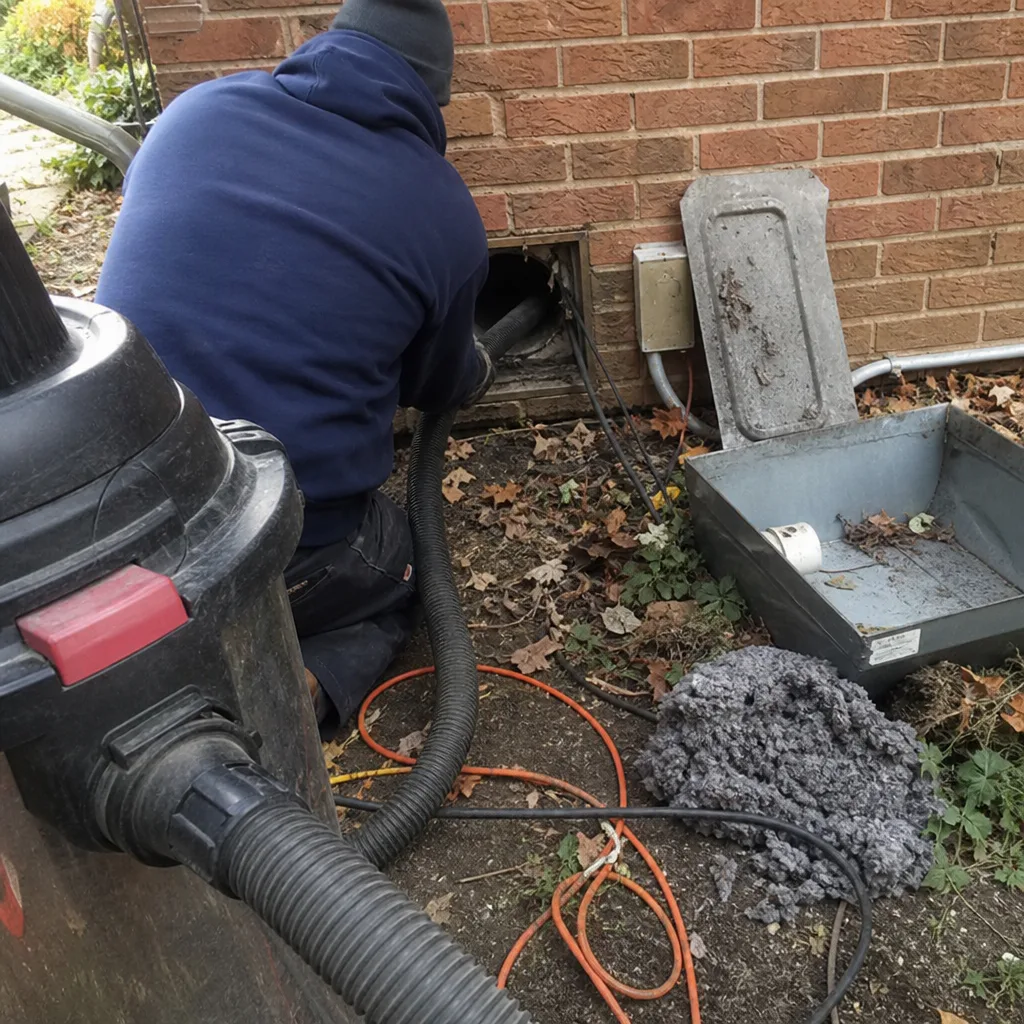 Before
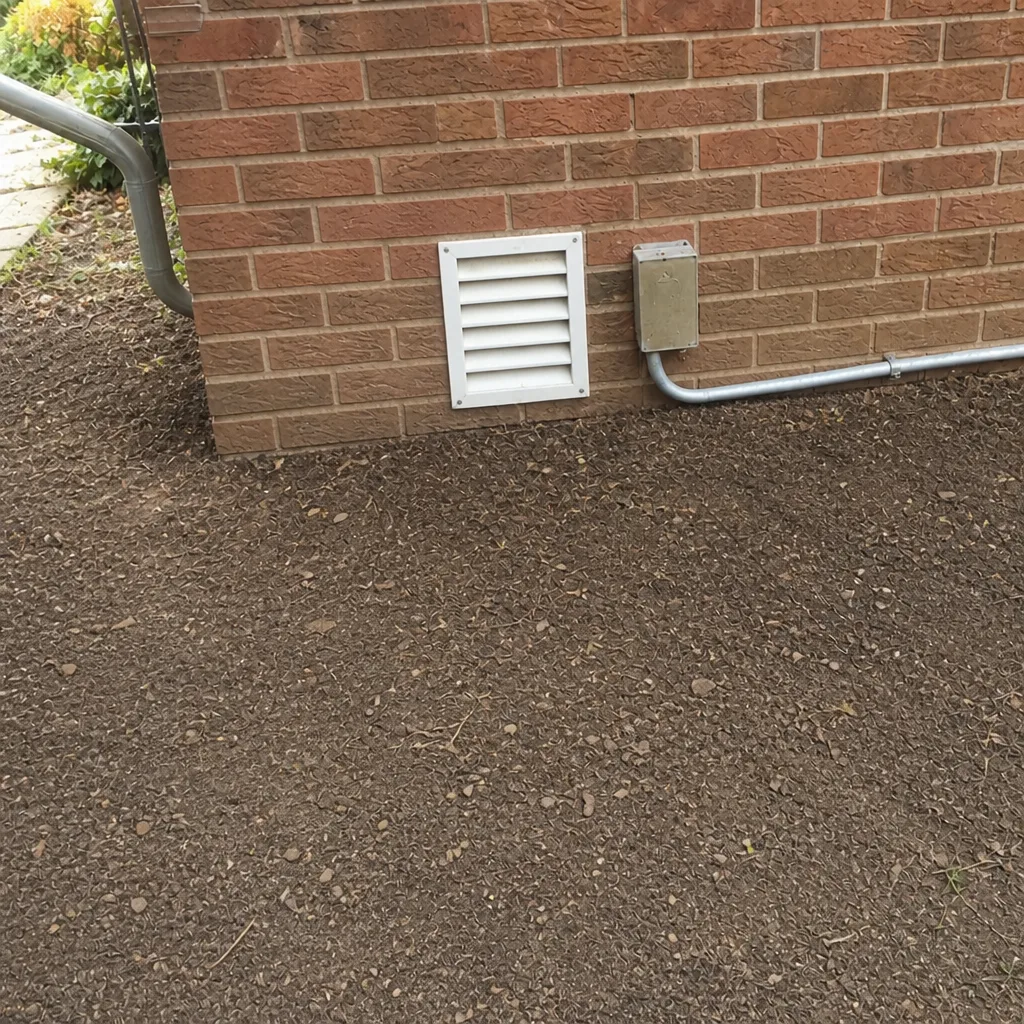 After
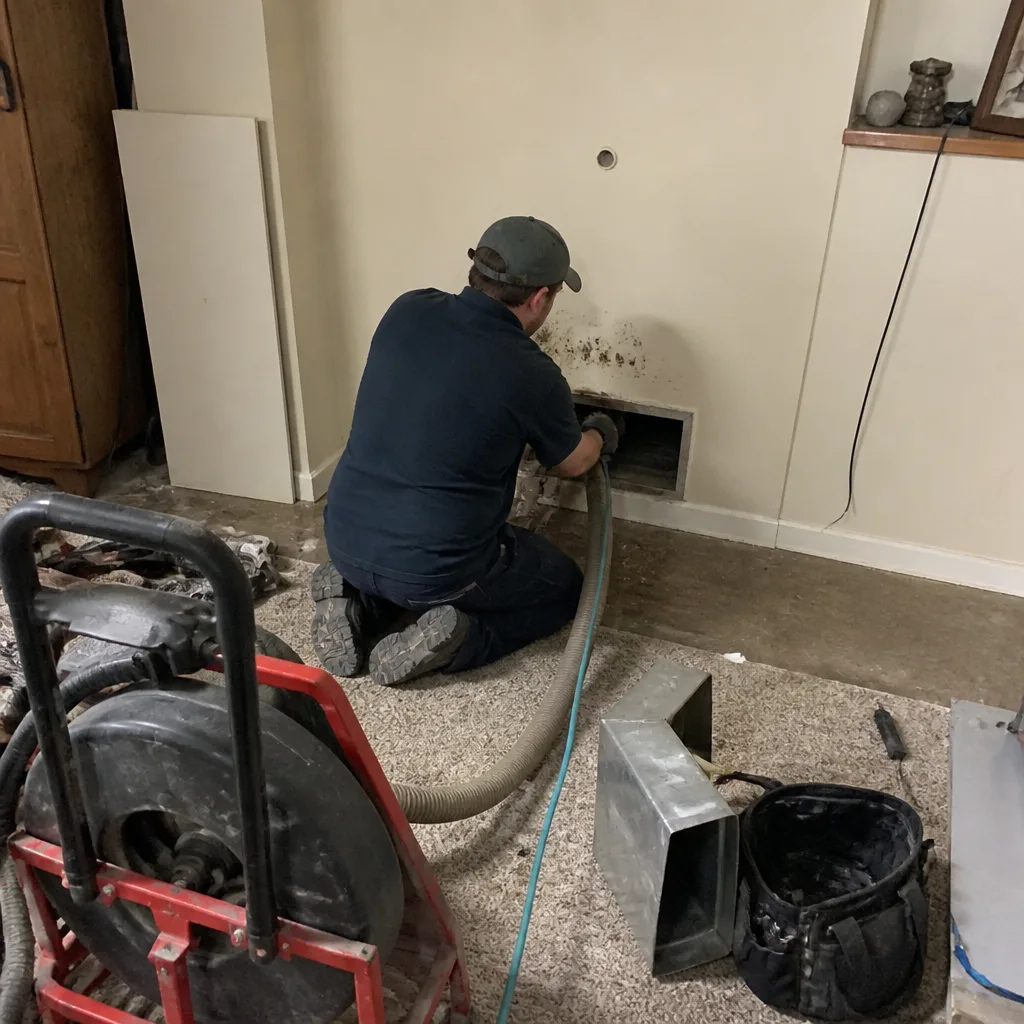 Before
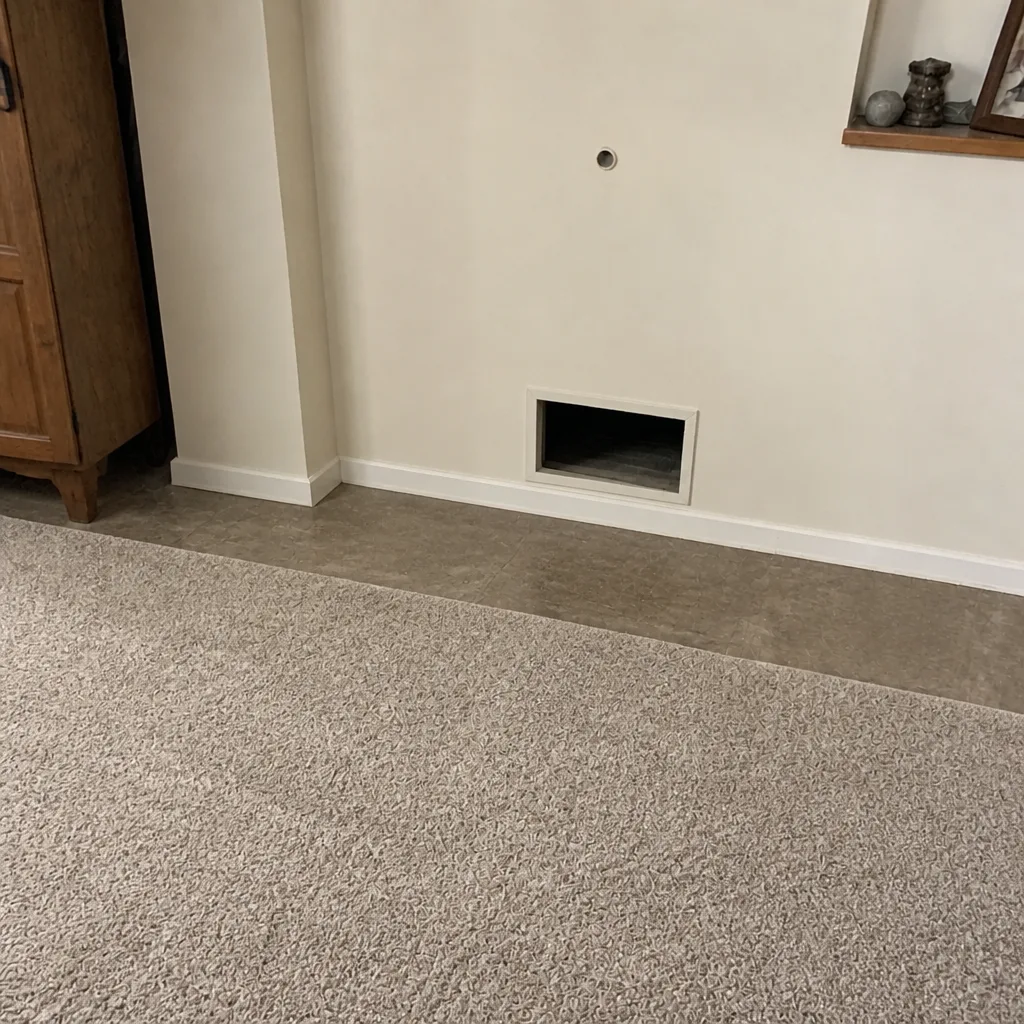 After
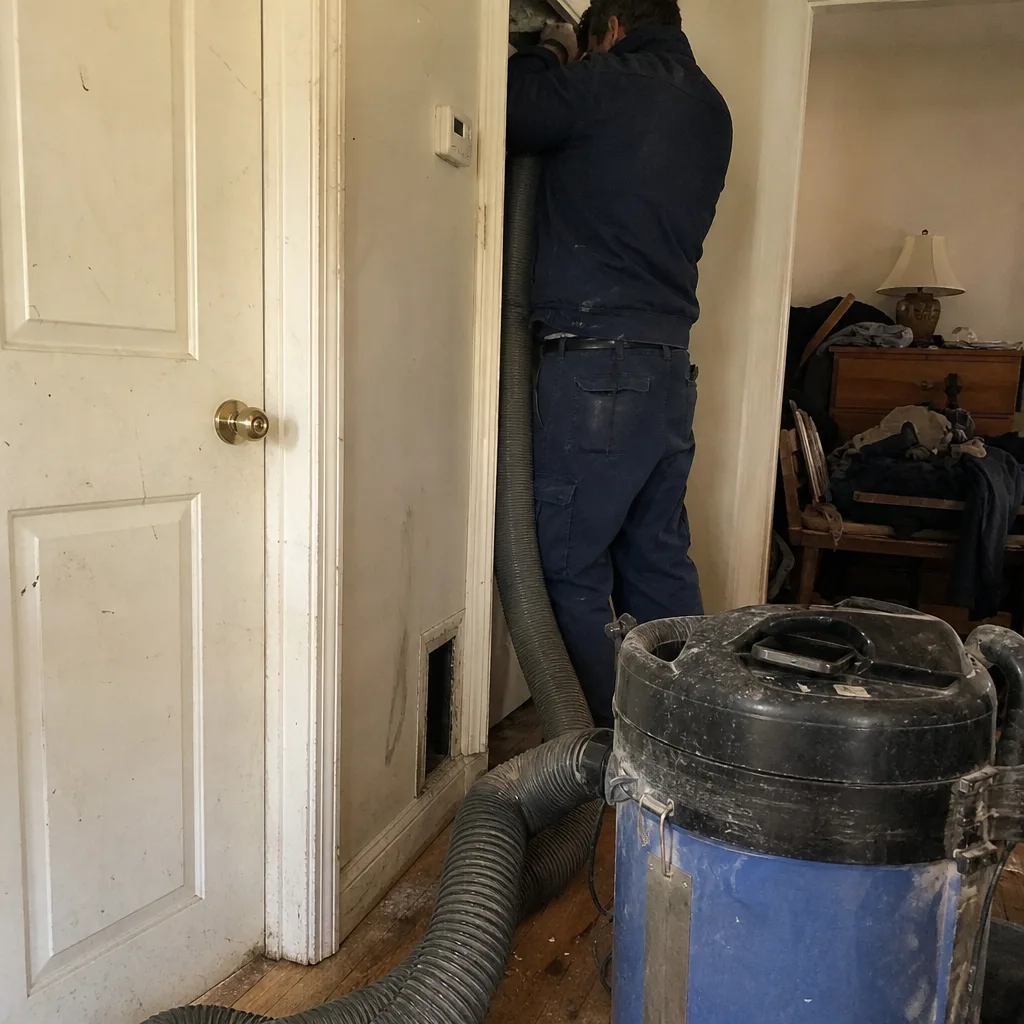 Before
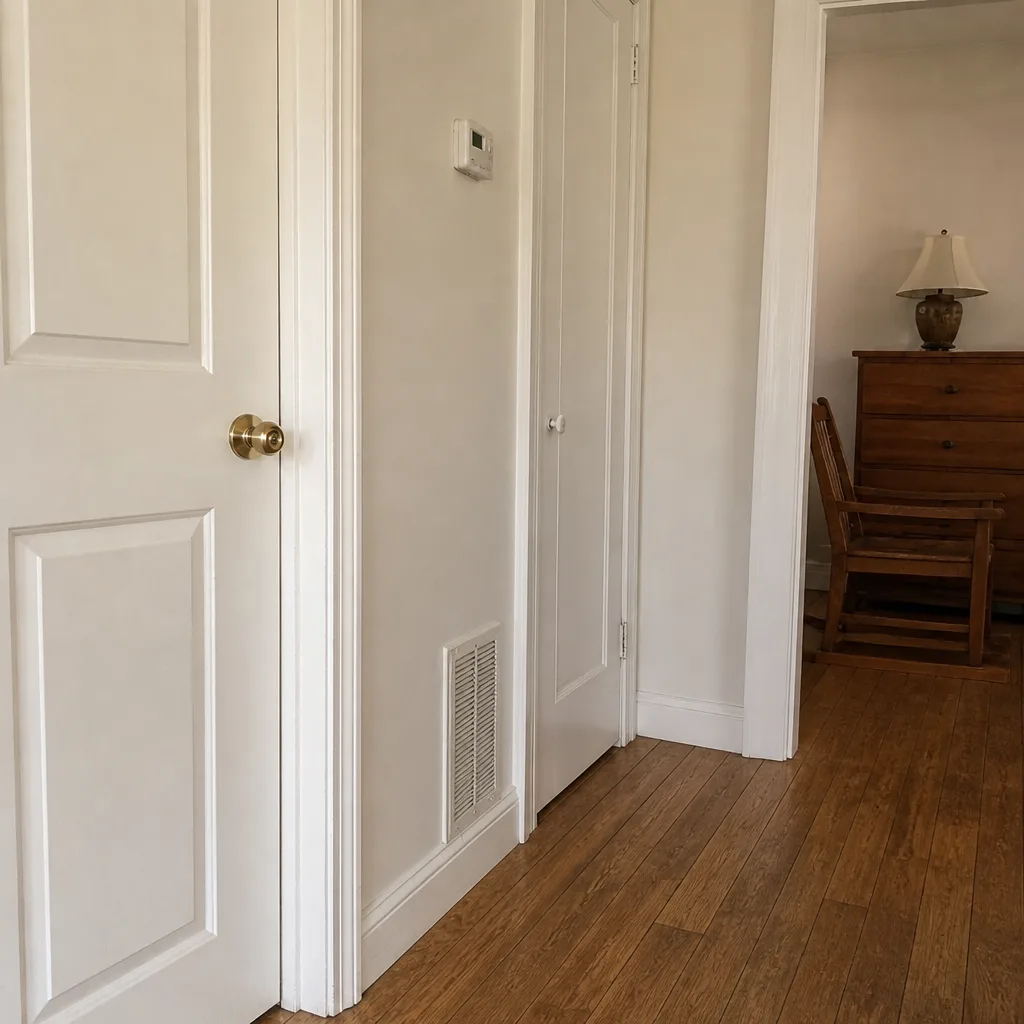 After
When to Call a Professional
Some duct conditions are fine to monitor. Others need a trained eye. Call a professional if you notice a musty smell that returns each humid season, visible dust streaking around return grilles that comes back within weeks, or allergy symptoms that worsen when the system runs. Call if your home was built before the 1980s and you’ve never had the ducts inspected, since mixed-material systems in older Louisville homes often hide disconnected or damaged sections. Call if a recent inspection flagged the ductwork, or if you’ve renovated and want to know what the work did to the system. And call if your dryer is taking longer to dry or feels hot on top, since that points to a vent run that needs clearing. Dayspring Air Duct Cleaning offers free estimates in Louisville, and we work with the full system, cleaning, repair, and dryer vents, so you’re not coordinating separate contractors. Call (877) 517-3289. We answer 24/7. Fast dispatch from 7am to 7pm, Sunday through Friday.
Frequently Asked Questions
Air duct cleaning in Louisville is priced per system based on a written scope, not per vent, because the cost depends on your duct layout, the materials involved, and how much contamination the inspection finds. A home with a simple metal trunk and a handful of flex runs sits at a different point than a larger house with multiple zones and mixed materials. The written estimate sets the final price before any work starts, so there’s no surprise once the crew is on site. Call (877) 517-3289 for an exact quote; estimates are free.
Cheap quotes are usually cheap because the equipment and scope are smaller. A shop vacuum at each vent can’t hold negative pressure, can’t filter at HEPA level, and can’t agitate the duct interior, so the visible dust at the grille goes away and the contamination inside the duct stays. A full-system job uses rotary contact cleaning and HEPA negative-air extraction, which takes more time and better tools. Ask what equipment a company brings and whether returns are included in the scope. Call (877) 517-3289 for an exact quote; estimates are free.
You know because you see it. A proper job includes before-and-after photos of your own ducts, taken during the inspection and again after cleaning, along with a written scope that lists what was covered. You should also get a clear account of any repair found during the work. If a company can’t show you the interior condition before and after, that’s a fair reason to ask why. Call (877) 517-3289 for an exact quote; estimates are free.
There’s no single interval that fits every home, and anyone quoting a fixed number of years is guessing. Louisville’s humidity and spring pollen season load systems faster than in dry climates, so homes here sometimes need attention sooner than a national guideline would suggest. The honest answer is to inspect and let condition drive the decision: a system with heavy return-side loading and a recurring musty smell needs work, while a clean system with a good filter doesn’t. Call (877) 517-3289 for an exact quote; estimates are free.
Yes, and it’s the main reason generic advice falls short here. Sustained seasonal humidity keeps the interior of flex duct corrugation and fiberglass-lined trunks damp enough for microbial growth to take hold on settled dust. That’s different from a dry climate where deposits stay inert. It’s also why a musty smell that returns each summer is worth investigating rather than filtering out. Call (877) 517-3289 for an exact quote; estimates are free.
We repair what we find, not just report it. Air duct repair is one of our three core services alongside cleaning and dryer vent cleaning, which matters in older Louisville homes where cleaning often reveals a disconnected flex run, a crushed section, or an unsealed joint. That means the same crew handles the full lifecycle, inspection, cleaning, and repair, so you don’t need a second contractor after the inspection report. Call (877) 517-3289 for an exact quote; estimates are free.
The Bottom Line
Louisville ductwork isn’t a copy of a national template. High seasonal humidity keeps deposits in flex corrugation and fiberglass-lined trunks damp enough for growth. Spring pollen loads return-side ducts harder than supply runs. Older housing stock means mixed duct materials that each need their own cleaning approach. The right way to handle all of that is a system map and a written scope, not a per-vent price, followed by cleaning with rotary contact tools and HEPA negative-air extraction that meet the ACR standard, and repair for whatever the inspection finds. Dryer vents belong in the same conversation, because lint buildup is a fire risk that builds quietly. Dayspring Air Duct Cleaning covers all three, cleaning, repair, and dryer vents, with one crew. Call (877) 517-3289. We answer 24/7. Fast dispatch from 7am to 7pm, Sunday through Friday. Estimates are free, and the written scope sets the price before work starts.
Written by the team at Dayspring Air Duct Cleaning, serving Louisville since 2013.