
Last updated November 14, 2026
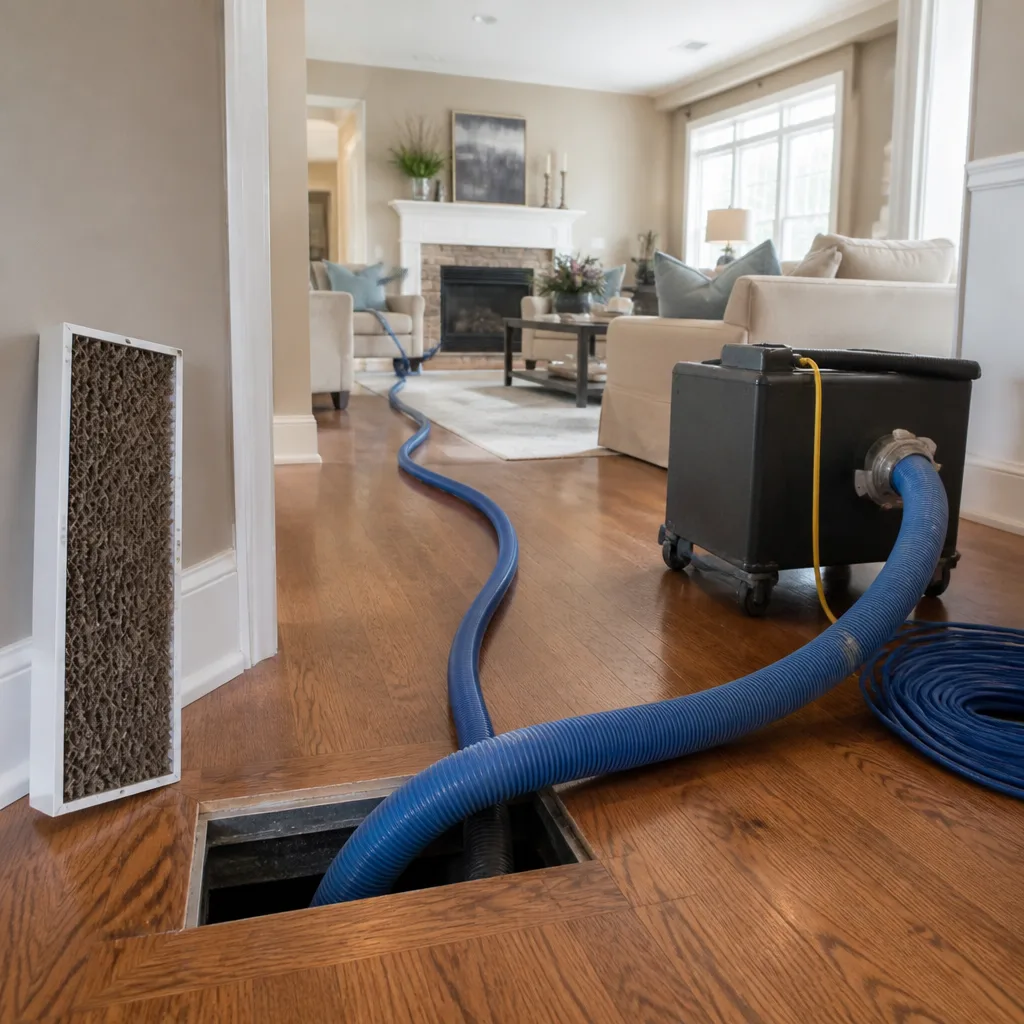 Whole-home duct cleaning
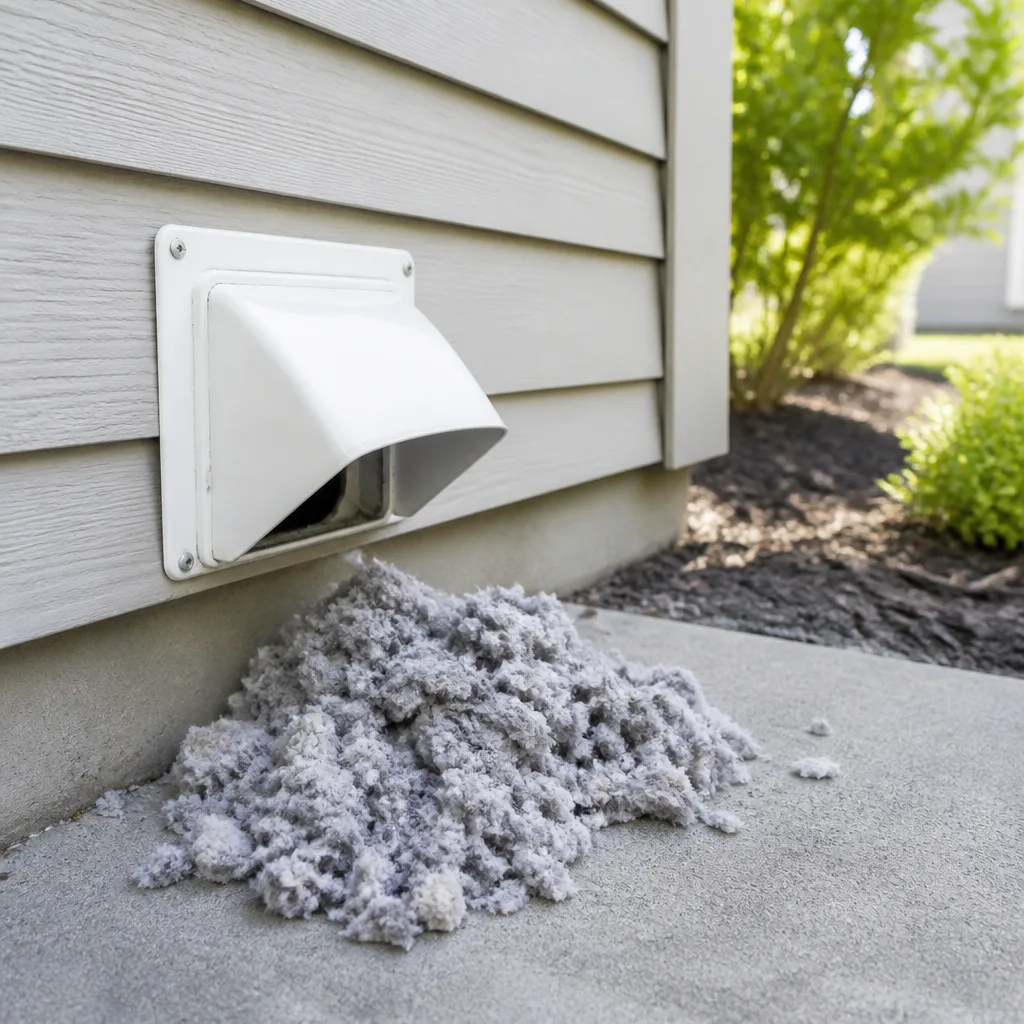 Dryer vent cleaning
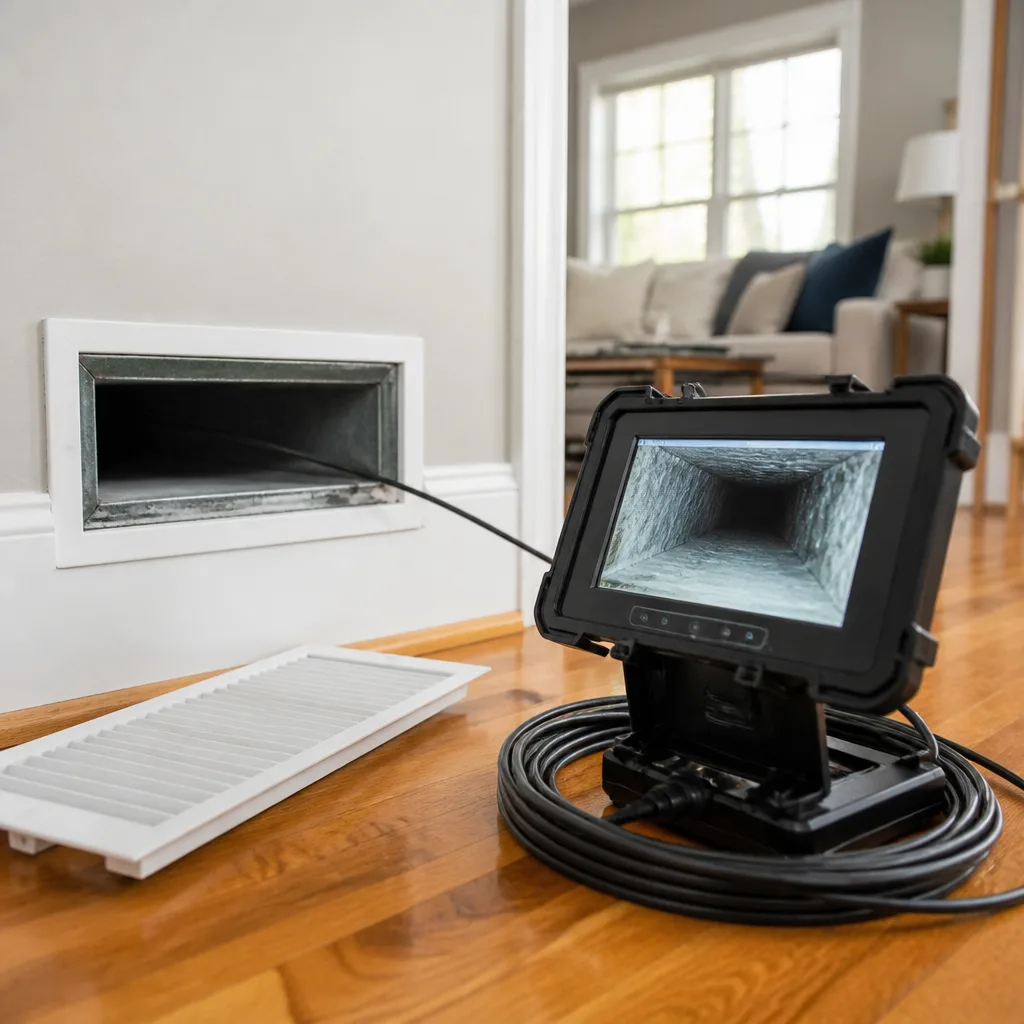 Camera inspection
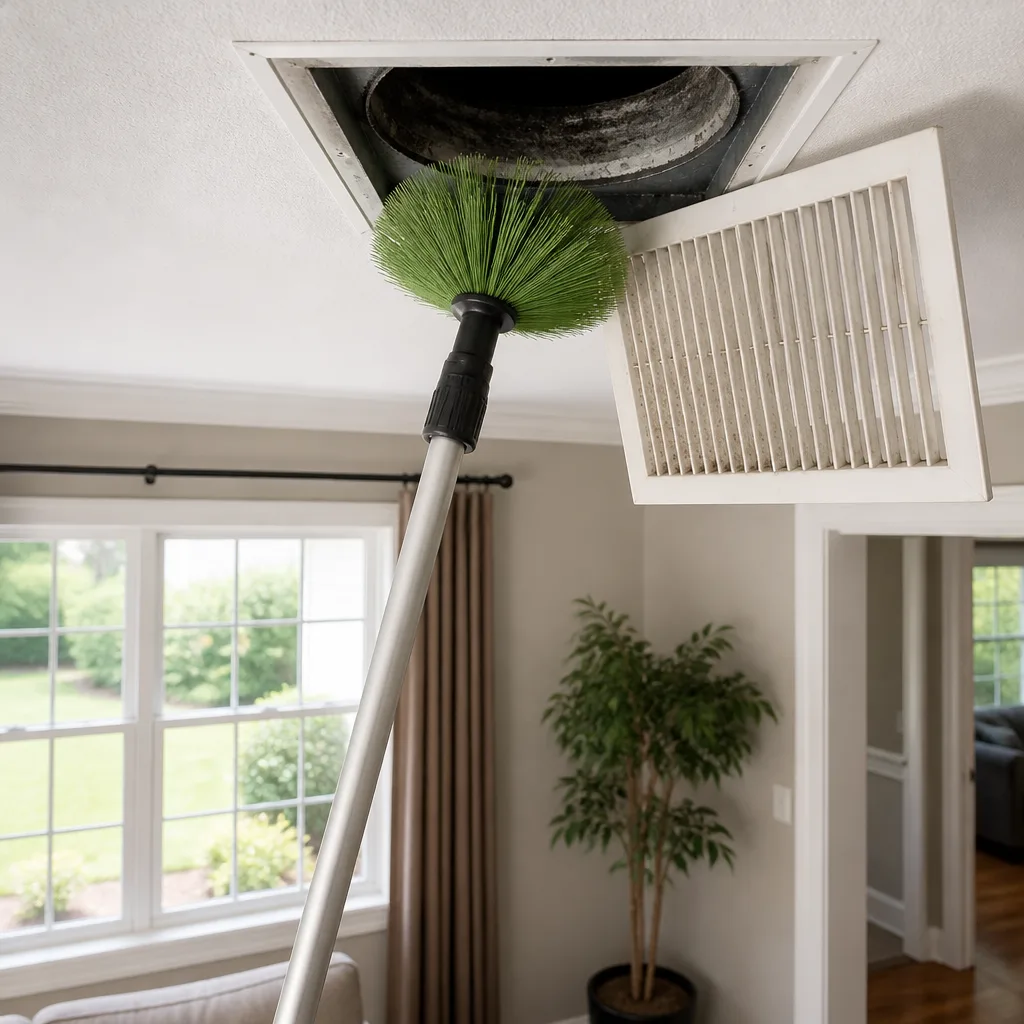 Sanitizing & deodorizing
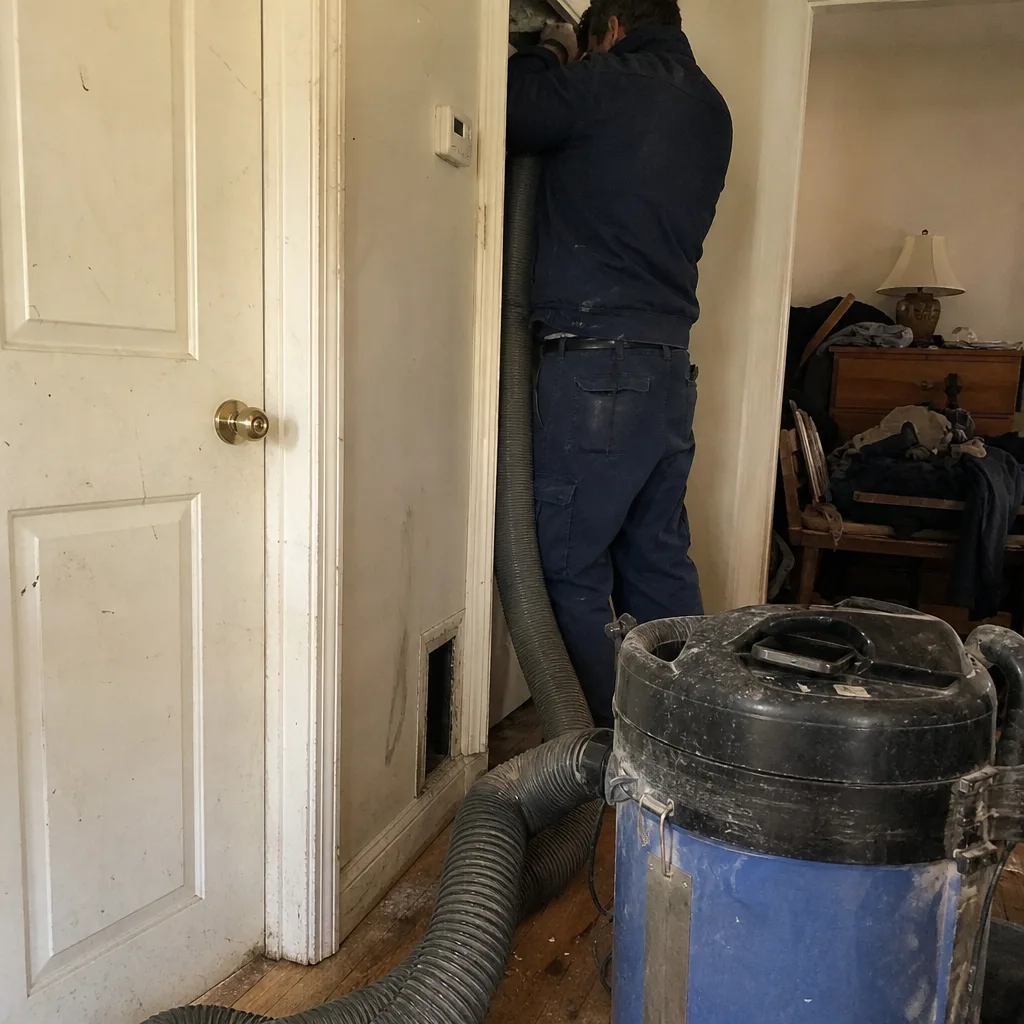
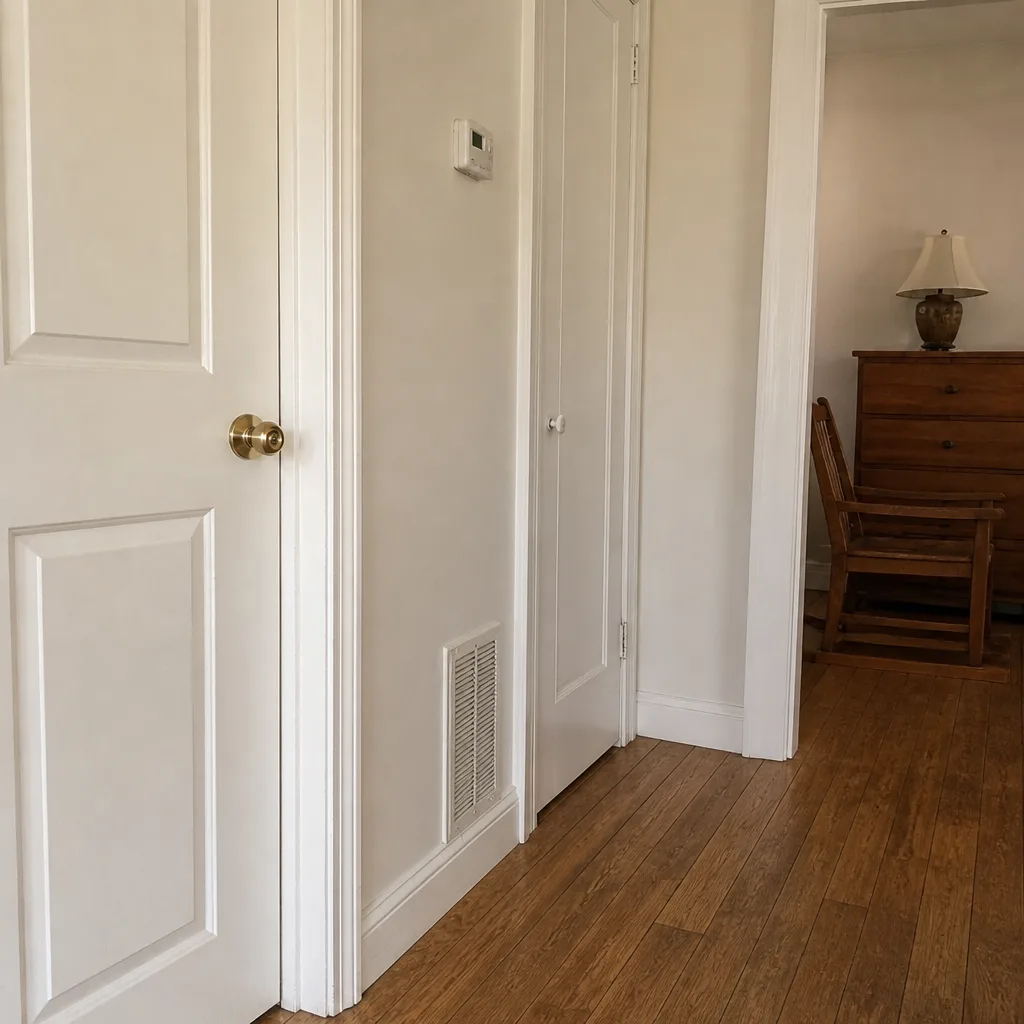
Whole-system duct and dryer vent check with before-and-after photos - you see exactly what came out of your vents
That "$99 whole-house special" is a bait ad - the real number appears once they are in your hallway, or the "clean" is a shop-vac at the register. We photograph the inside of your ducts before and after instead.
Seasonal Air Duct Cleaning Care for Louisville: Year-Round Homeowner’s Guide
Most guides tell you to clean your ducts twice a year and move on. That advice misses something important about Louisville: the four seasons here don’t just change the temperature, they change what’s collecting in your ductwork. Spring brings a pollen season that starts earlier and runs longer than most of the country expects. Summer’s humidity puts condensation stress on supply runs. Fall is when a dormant system can hide a visitor. Winter’s ice storms push temperature swings through attic ductwork. One calendar does not fit all twelve months. What follows is a season-by-season plan for Louisville homeowners who want to know what their ducts are actually dealing with, when to act, and how to tell the difference between a system that needs cleaning and one that needs repair.
Styles & brands we work with
- Whole-home duct cleaning
- Dryer vent cleaning
- Camera inspection
- Sanitizing & deodorizing
Quick Answer
In Louisville, air ducts should get a full inspection each fall before the furnace runs and a professional cleaning in late spring after the heating season ends, because the city’s distinct seasons load ductwork with different contaminants: furnace combustion byproducts, an extended pollen season, summer humidity, and winter attic temperature swings. Between professional visits, filter changes and simple checks carry the year. The three priorities are cleaning, inspection, and repair, in that order of frequency, and a full-system professional handles all three.
Table of Contents
- Why Louisville’s Four Seasons Each Load Ducts Differently
- Spring in Louisville: The Post-Heating Cleaning Window
- Summer: Humidity, Condensation, and When to Call
- Fall: Pre-Heating Inspection and What Settles In Over Summer
- Winter: Ice Storms, Attic Ducts, and Cold Air Infiltration
- The Louisville Filter Calendar: Matching MERV to the Pollen Season
- Dryer Vents Through the Seasons
- Common Mistakes to Avoid
- When to Call a Professional
- Frequently Asked Questions
- The Bottom Line
Why Louisville’s Four Seasons Each Load Ducts Differently
A duct system is a container for whatever the air around it carries. In a mild climate, that air changes slowly through the year, and a twice-a-year schedule makes sense. Louisville doesn’t work that way. You get a real winter with furnace operation for months, a spring that fills the air with tree and grass pollen, a summer where humidity days are the norm rather than the exception, and a fall that flips the system back to heating. Each phase moves a different mix of particles, moisture, and temperature through the same ductwork.
That’s the core idea behind this guide. Instead of a generic schedule, we map cleaning and inspection actions to the contaminant each season actually produces. That’s how we think about Dayspring Air Duct Cleaning work throughout the year: diagnose what the season has delivered, then clean or repair accordingly.
Here’s the rough shape of the year:
- Spring: furnace off, windows open, pollen entering through return grilles. The highest-priority cleaning window.
- Summer: cooling on, condensation forming in unconditioned spaces, humidity stressing every seal and connection.
- Fall: system switching back to heat, an ideal moment to verify the whole duct and air-handling setup before it runs hard.
- Winter: ice storms and outdoor temperature swings putting stress on any ductwork routed through an unconditioned attic.
If you take one thing from this section, make it this: your ducts’ workload is not constant, so your care shouldn’t be either. A spring cleaning in Louisville is doing different work than a fall inspection, and both matter.
Spring in Louisville: The Post-Heating Cleaning Window
Spring is when we’d schedule a full cleaning if a Louisville homeowner could only pick one time of year. Two things happen at once. First, the heating season ends. Months of furnace operation have pushed fine combustion byproducts, dust cooked onto heat exchangers, and whatever settled in the return system through winter. Second, pollen season arrives. Louisville’s spring oak and grass pollen typically runs February through June, which is longer than most national guides assume. That means return ducts are pulling peak allergen loads right as the system switches from heating to cooling and introduces condensation to the same ductwork.
That overlap is what makes spring different here. In many markets, pollen and cooling arrive separated by weeks. In Louisville, they stack.
What a spring cleaning actually addresses
- Winter’s accumulated dust and fine combustion residue in the return and supply runs
- Early-season pollen drawn in through return grilles before the blower starts moving cooled air
- Any debris that entered through a loose access panel or disconnected joint over the winter
The spring sequence we recommend
- Inspect first. Before any cleaning, the technician should look inside the system, not just at the vents. We use equipment that lets us see what’s actually in the runs.
- Change the filter before the cleaning, not after. A clogged filter during cleaning just redistributes what you’re removing.
- Clean with contact and negative-air equipment. A rotary contact tool loosens what’s stuck to duct walls; a HEPA negative-air machine holds the debris while it’s being pulled out. That’s the same category of equipment used in commercial IAQ work, and it’s what separates a real cleaning from a shop-vac pass over the registers.
- Note anything that needs repair. Spring is also when winter damage shows up: a sagging flex run, a separated boot, a crushed section behind a cabinet.
One seasonal note that surprises people: if your home has a heat pump or a furnace that ran hard through a cold winter, spring is the moment to look for combustion byproduct staining around the air handler and any signs the return system pulled air from a space it shouldn’t. That’s an inspection item, and it’s exactly the kind of thing that gets missed in a rules-of-thumb schedule.
Summer: Humidity, Condensation, and When to Call
Louisville summers bring plenty of days where relative humidity sits above 90%, and that has a direct effect on ductwork. Cool air moving through a supply run is colder than the air around it. When that run passes through an unconditioned space like a crawlspace or an attic, the moisture in the surrounding air condenses on the outside of the duct. Over a season, that condensation can soak insulation, soften connections, and create the conditions for rust at metal joints.
What condensation looks like as a problem:
- Water staining or drip marks on the duct wrap or insulation jacket
- A musty smell coming from registers when the cooling first kicks on
- Sagging or compressed insulation on supply runs in the crawlspace
- Rust or corrosion at metal collars and joints
- Visible moisture or dampness on the duct surface itself
If you see any of those, that’s a call-now item, not a wait-for-fall item. Damp insulation and a slow leak don’t fix themselves, and a supply run that’s sweating all summer is losing efficiency while it deteriorates. We’d rather look at it in July than repair it in October.
What we check on a summer inspection
- Supply runs in unconditioned spaces for condensation, staining, and insulation condition
- All connections and joints for gaps that let humid air into the system
- The air handler and drain line for moisture issues
- Return grilles for buildup during the high-pollen tail of the season
Summer is also when filtration systems get a workout. If your home already runs an Aprilaire or Honeywell filtration unit, this is the season to confirm it’s set up correctly and the filter is matched to the load. Cleaning and filtration work together, and we make a point of understanding the equipment already installed in a home before we touch the ducts.
Fall: Pre-Heating Inspection and What Settles In Over Summer
Fall is the inspection season in Louisville, and it’s more than a dust check. The furnace is about to run for months, which makes this the right time to verify the integrity of the whole air-handling arrangement before it’s under load. Two things drive the recommendation here. First, heat exchanger integrity matters, and a proper fall inspection looks at the air handler, the connections around it, and the return system to make sure nothing is pulling air from a space it shouldn’t. Second, dormant ductwork over summer can become a place where things settle, and in older Louisville homes, that’s a real concern rather than a theoretical one.
The older housing stock around neighborhoods like the Highlands and Germantown often has ductwork that’s been modified, extended, or taped together over decades. A run that was sealed when it was installed can loosen when it’s not moving air for months, and small gaps become entry points.
What we look for in a fall inspection
- Heat exchanger condition and any signs of combustion byproduct staining
- Nesting material, debris, or pest evidence in dormant runs and at terminal boots
- Loose joints, separated flex sections, and gaps that let unconditioned air into the system
- Filter housing condition and correct filter fit before heating season
- Return grilles for summer’s accumulated pollen and dust
If anything turns up that needs fixing, that’s where air duct repair belongs in the conversation. We repair what we find on an inspection rather than only reporting it, so a homeowner isn’t left calling a second contractor to close the loop. If you want to see how a full air duct cleaning fits into the fall visit, that’s a separate service from the inspection, and it’s often best done in spring while the inspection carries the fall.
Winter: Ice Storms, Attic Ducts, and Cold Air Infiltration
Louisville’s winter pattern includes ice storms and sharp temperature swings, and those swings are hard on any ductwork routed through an unconditioned attic. When outdoor temperatures drop fast, the duct material and the attic air it passes through contract at different rates. Seams, taped joints, and flex connections that held all summer can open. Once a joint opens, the system stops pushing conditioned air where it’s supposed to go and starts pulling cold attic air into the supply run.
What that looks like from inside the house:
- Some rooms feel noticeably colder than others, especially rooms at the end of long runs
- The furnace runs longer than it used to for the same comfort level
- You can feel cold air coming from a register when the heat is on
- A whistling or drafty sound at a vent that wasn’t there before
A winter check you can do yourself
- Walk the house and feel each register with the heat running. Note any that feel weak or cool.
- Look at accessible duct runs in the attic or crawlspace for separated joints, sagging flex, or crushed sections.
- Confirm the filter is clean and correctly seated. A winter filter change matters because the system runs longer.
- If a room that was comfortable in fall is now cold, write it down; the pattern usually points to which run has a problem.
Any work inside an attic or crawlspace in winter means exposed insulation, sharp edges, and cold surfaces, and it’s a job for a trained technician rather than a homeowner on a ladder. Ice storm damage to a duct run can also mean you need repair, not just cleaning, which is why the service scope matters. We cover cleaning and repair with the same crew, using Nikro negative-air equipment when there’s debris to contain during the fix.
The Louisville Filter Calendar: Matching MERV to the Pollen Season
Filter choice is the one piece of duct care a Louisville homeowner handles every month of the year, and the right answer changes with the season. National filter advice tends to assume a generic pollen season and a generic heating load. Neither applies here.
A sensible Louisville filter schedule, matched to the pollen calendar:
- February through June (oak and grass pollen peak): this is the stretch to run the highest filtration your system is designed for, and to change it on a tighter interval than the rest of the year. The extended pollen window means the filter is loading longer than a national schedule anticipates.
- July and August: pollen drops but humidity is at its highest. Keep filtration steady; a clean filter keeps airflow predictable, which matters when the system is working hard in humid weather.
- September and October: change the filter before the furnace starts its long heating run. A fresh filter going into heating season is one of the highest-value moves of the whole year.
- November through January: hold the schedule through furnace season. If the filter looks loaded before the interval is up, change it.
A note on MERV: a higher MERV number isn’t automatically better. The right rating depends on what your system was designed to move, and an oversized filter can restrict airflow. If your home already has a Honeywell or Aprilaire filtration cabinet, the manufacturer’s spec is the starting point. If you’re not sure what your system is rated for, that’s a question for the estimate visit.
For homes with premium filtration already installed, an Abatement Technologies or Guardsman-compatible approach to filtration and cleaning keeps the equipment it’s working with in mind rather than treating every system the same. The point is simple: clean ducts and correct filtration are a matched pair, and one without the other doesn’t get you the result.
Dryer Vents Through the Seasons
Dryer vent cleaning sits alongside ductwork in the seasonal picture, and it deserves its own line item because a clogged dryer vent is a fire hazard, not a comfort issue. The NFPA identifies dryer vent lint buildup as a leading cause of residential fires. In Louisville, the seasonal effect is straightforward: winter laundry loads run heavier, and lint accumulates faster through the cold months when the vent is running more often. A vent that was fine in October can be noticeably blocked by February.
Signs your dryer vent needs attention
- Clothes take noticeably longer to dry than they used to
- The dryer or the laundry room feels hot or humid after a load
- There’s a burning or musty smell near the dryer
- Lint collects visibly around the vent hood outside
- The exterior vent flap doesn’t open fully when the dryer runs
We treat dryer vent cleaning as a safety service, and the check fits naturally into a seasonal visit. If you haven’t had it looked at in a while, a fall inspection is a good moment to add it. We inspect the full vent run, clear the lint, and confirm the vent is moving air as designed.
Common Mistakes to Avoid
- Following a national twice-a-year schedule. In Louisville, a schedule that ignores the extended pollen season misses the highest-priority cleaning window of the year. The seasons here each produce different contaminants, so the calendar should reflect that.
- Cleaning without inspecting first. A cleaning crew that vacuums vents without looking inside the system can miss a separated joint or a crushed run. A real cleaning starts with looking at the whole system.
- Ignoring summer condensation. Damp insulation and a sweating supply run in a crawspace won’t fix themselves. Waiting for fall means another summer of deterioration, so call when you see staining or moisture.
- Skipping the pre-heating-season check. Starting the furnace in Louisville without verifying heat exchanger condition and duct integrity is the most avoidable risk on this list. Schedule the inspection before the heat comes on.
- Assuming attic ducts are fine because the house is warm enough. Rooms that feel cold at the end of a run are often pointing to an open joint, not a furnace problem. A winter temperature complaint is a duct question as often as a heating question.
- Choosing a filter by the highest MERV number on the shelf. Oversized filtration can restrict airflow and stress the system. Match the filter to what your system is designed for and change it on the seasonal schedule.
- Treating cleaning as the whole job. If an inspection turns up damaged ductwork, cleaning alone leaves the problem in place. Look for a provider that also does repair, so you’re not calling a second contractor.
When to Call a Professional
Some signs are worth a call right away rather than a note on the calendar. Call us if you’re seeing condensation or water staining on ductwork in a crawlspace or attic, if rooms that used to be comfortable are now cold in winter or weak in airflow, if you smell something musty when the system starts, or if a fall inspection flag should be resolved before the furnace runs hard. Also call if your filter is loading faster than usual, if you’ve noticed a dryer that takes two cycles to dry a load, or if your home is older and you’re not sure when the ducts were last inspected.
Dayspring Air Duct Cleaning offers free estimates in Louisville, and we’ll tell you plainly whether your system needs cleaning, repair, or just a filter change. Call (877) 517-3289. We answer 24/7, with fast dispatch from 7am to 7pm, Sunday through Friday.
Frequently Asked Questions
A full cleaning about once a year works for most Louisville homes, timed to late spring after the heating season, paired with a fall inspection before the furnace runs. Homes with pets, recent renovation, or allergies often benefit from a closer look. If you’re not sure, an inspection answers it quickly. Call (877) 517-3289 for an exact quote; estimates are free.
Late spring is the best single window in Louisville, because it clears the furnace’s winter byproducts before the pollen season peaks and before cooling introduces condensation. Fall is the best time for inspection. Doing both gives you a year-round plan rather than a single visit. Call (877) 517-3289 for an exact quote; estimates are free.
Cost depends on the system, the number of runs, and whether repair is needed, so we don’t quote a figure that covers every home. We set one flat price per system before work starts and put it in writing, with no per-vent surprises. If a low advertised number sounds too good to be true, ask what it covers. Call (877) 517-3289 for an exact quote; estimates are free.
Ask for before-and-after photos of your own ducts. That’s the honest answer, and it’s the one we give. A provider who can show you what the system looked like inside before and after the cleaning has proof of the work. Combined with a written scope and price agreed up front, there’s little room for confusion. Call (877) 517-3289 and we’ll walk you through it; estimates are free.
Cheap quotes usually cover a surface pass at the registers rather than a full-system cleaning, and they rarely include inspection or repair. Professional contact cleaning and HEPA negative-air extraction take time and equipment. The cheapest quote tells you what’s excluded, not what’s included. Call (877) 517-3289 for a written scope and price; estimates are free.
Louisville’s pollen season stretching February through June usually means a spring cleaning is worthwhile, and homes with allergy concerns may want to inspect the filter more often. It doesn’t automatically mean cleaning more than once a year for most homes. The right answer depends on your system and your home. Call (877) 517-3289 and we’ll give you a straight answer; estimates are free.
The Bottom Line
The seasonal case for duct care in Louisville is simple: your system deals with a different contaminant each season, so the right action changes too. Clean in late spring after the heating season and before the pollen peak. Inspect in fall before the furnace runs hard, and verify heat exchanger condition and duct integrity while you’re at it. Watch for condensation through summer humidity and cold infiltration through winter temperature swings. Change the filter on a calendar that matches Louisville’s actual pollen season, and don’t overlook the dryer vent as a safety item. If your home needs the whole cycle handled by one crew, Dayspring Air Duct Cleaning covers Louisville for cleaning, inspection, and repair, and we use the same professional-grade equipment across all three.
Ready to schedule your seasonal visit? Call (877) 517-3289. We answer 24/7. Fast dispatch from 7am to 7pm, Sunday through Friday.
Written by the team at Dayspring Air Duct Cleaning, serving Louisville since 2013.
See the difference
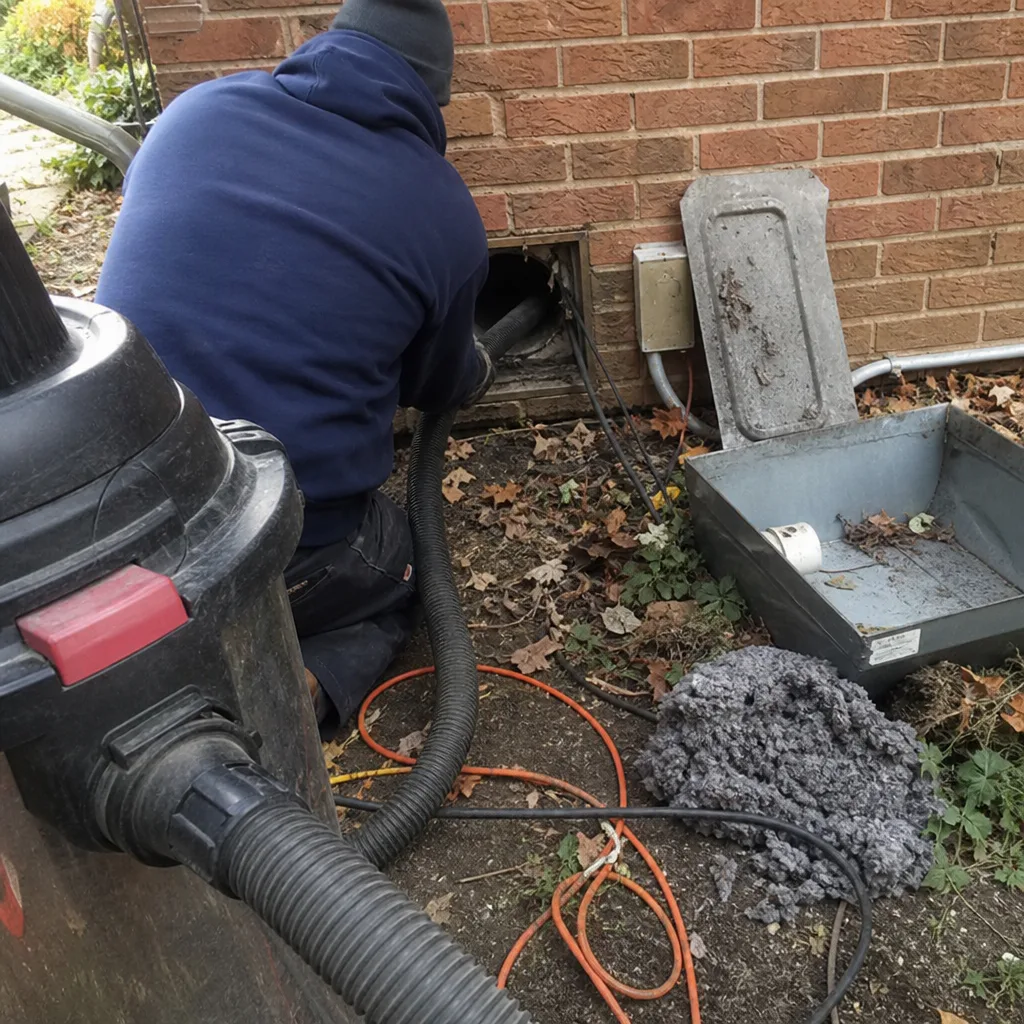 Before
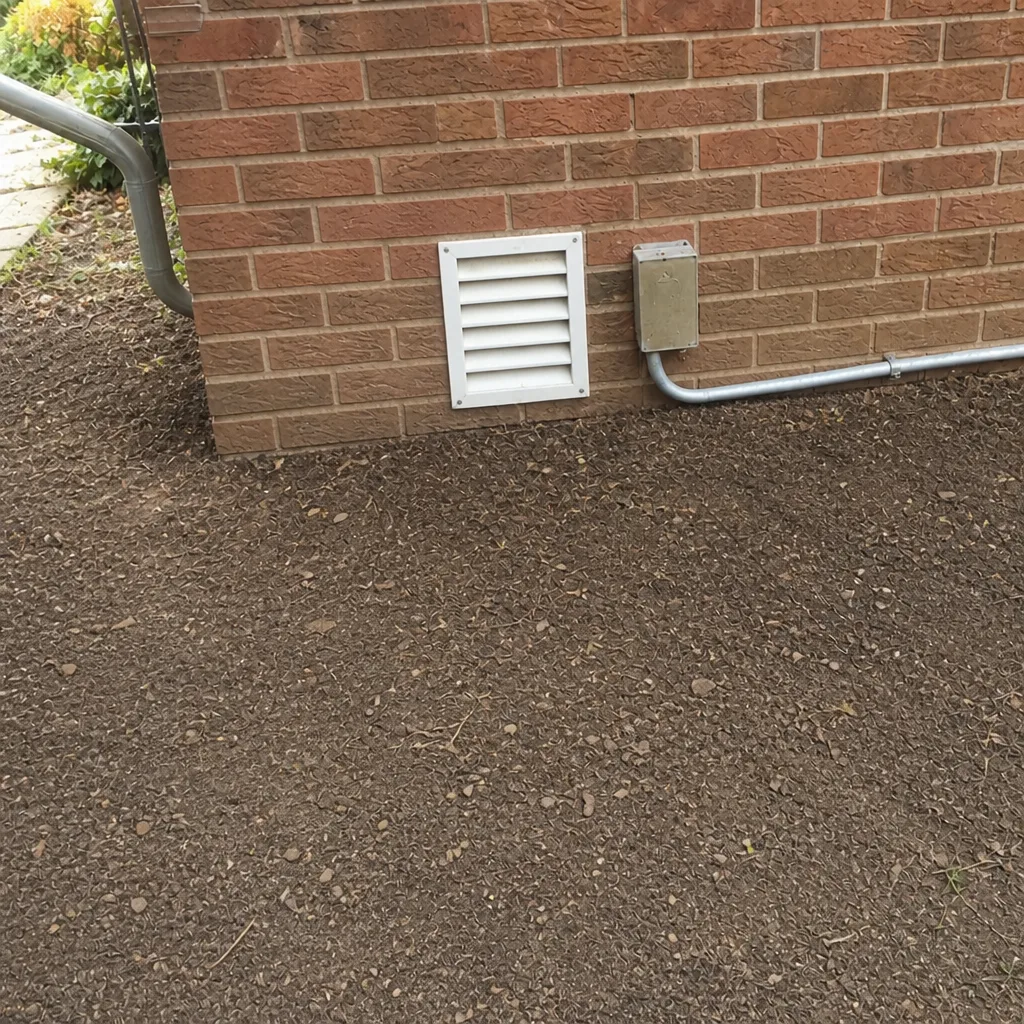 After
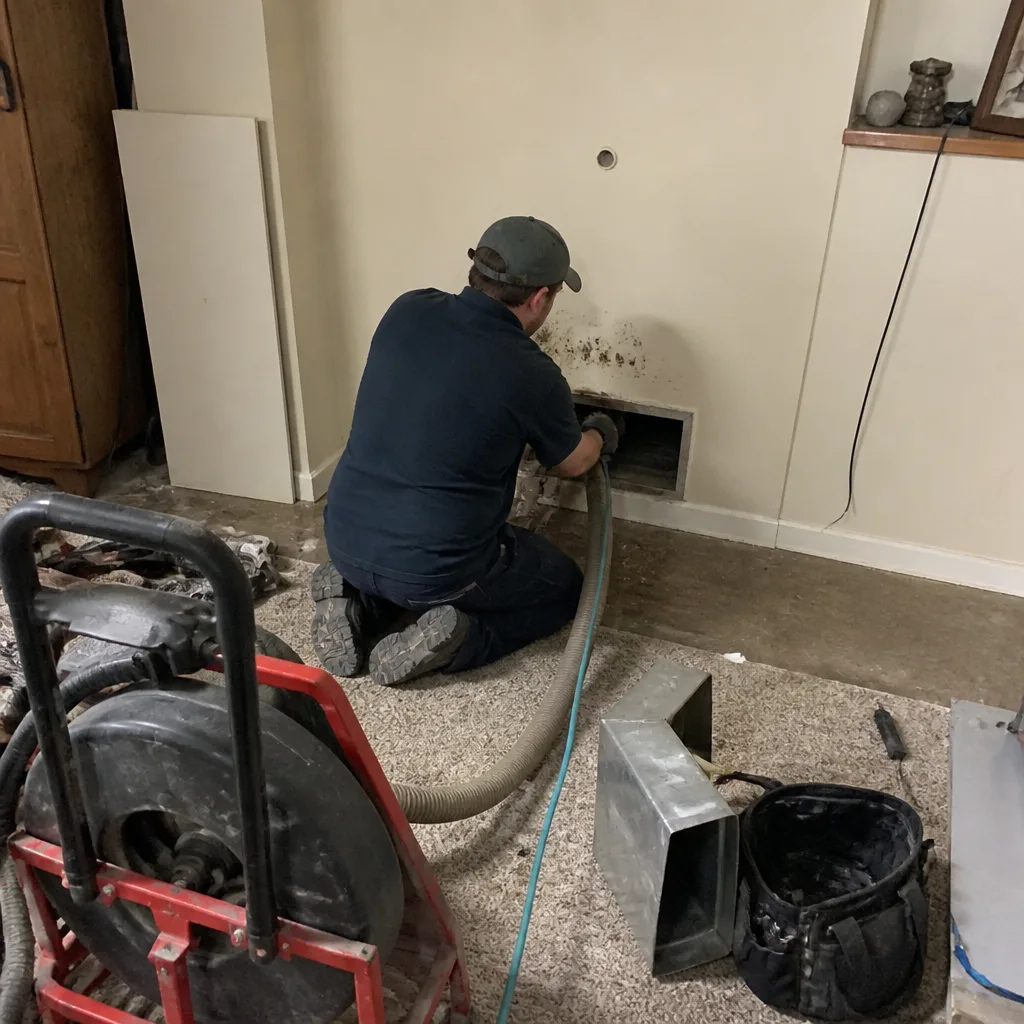 Before
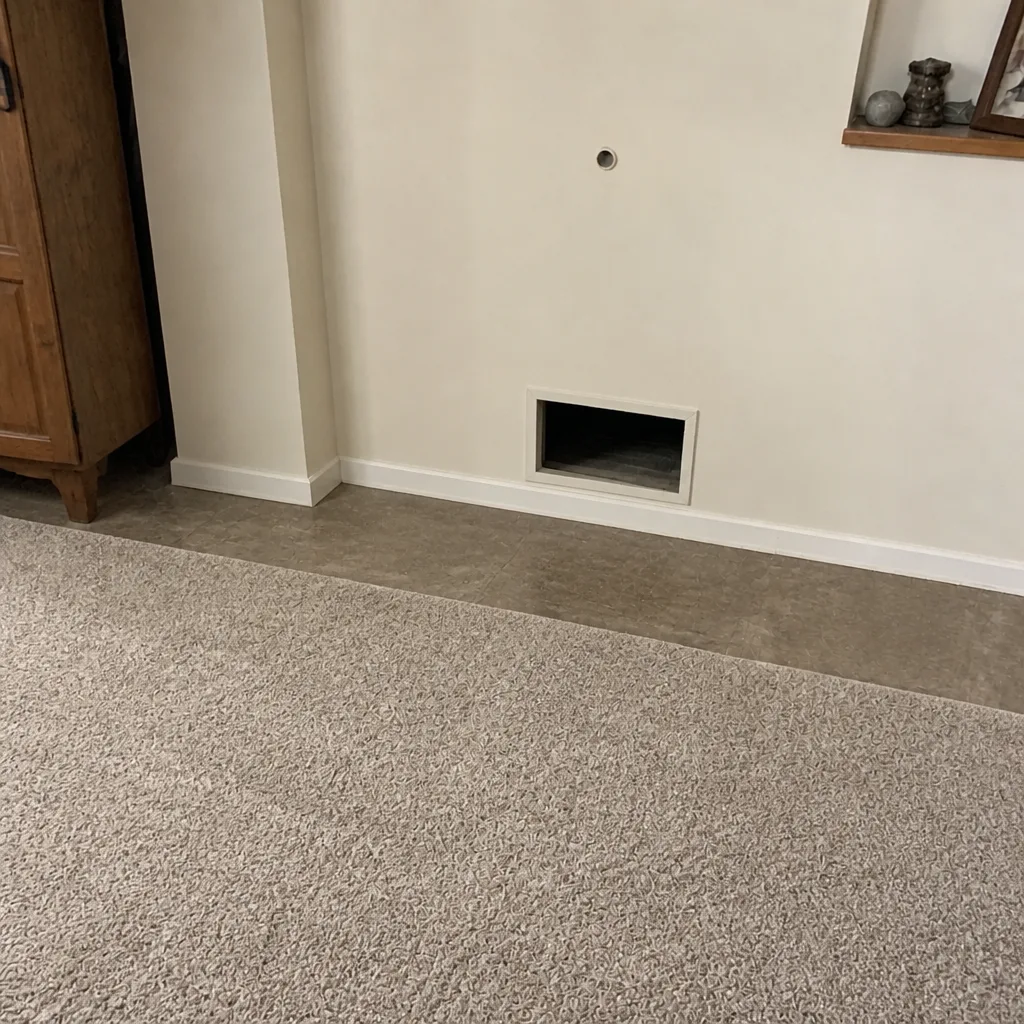 After
 Before
 After